The Phone Book That Exposed Assad’s Hidden Spy Chief
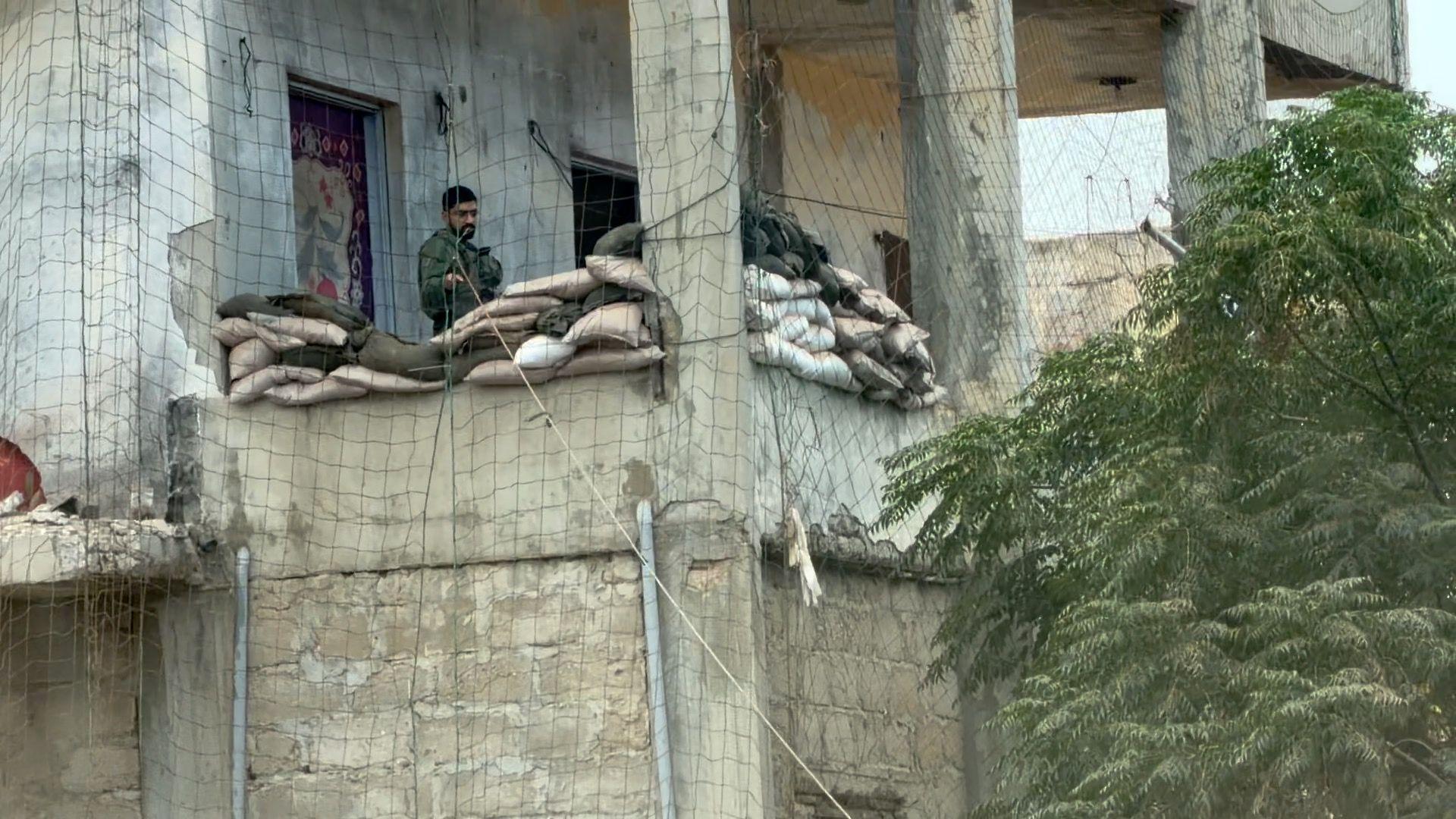
In an abandoned luxury apartment in the Syrian capital Damascus, armed men in military fatigues sifted through designer clothes and documents. On the living‑room floor under a crystal chandelier lay dozens of photographs of the same man in different settings, a man who, when his name was read aloud, turned out to be Hussam Luka – a chief of Assad’s civilian intelligence agency known as “The Spider.”
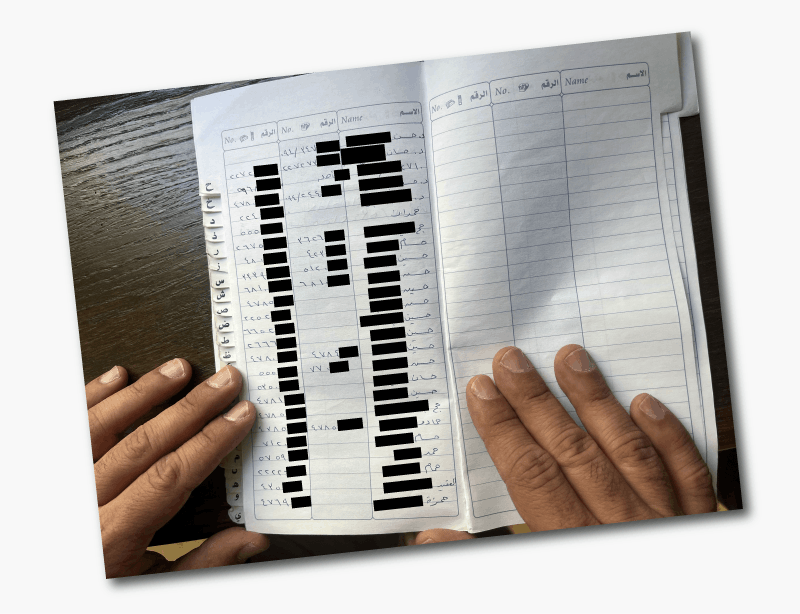
Luka’s apartment was a gauntlet of opulence: crystal chandeliers, polished furniture, and a secret phone book that catalogued the contacts of more than a hundred men and women. The book’s pages were redacted, but interviewers were able to read the first three digits of many numbers and the names of the people, including doctors, military officers, and even relatives of the regime’s inner circle.
With the regime toppled in December 2024, investigators began calling each entry. Thirty‑five answered but refused to confirm Luka’s identity. Two, a doctor and a businessman, admitted knowing him but were reluctant to give further details. It was a missed lead until a security guard from the apartment block offered the number of Luka’s personal bodyguard, a man named Mahmoud, who in an interview revealed that after Assad’s fall Luka had disappeared with the guard’s name and a large sum of money left in the safe.
Tracking its disappearance required a detour to Lebanon, where an unofficial source confirmed that Luka entered the country with a Russian passport under an assumed name. A contact in Lebanon supplied a Russian‑listed phone number, a telephone line that led to the outskirts of Moscow. The BBC verified that the number belonged to Luka by putting his supposed voice on speakerphone for a murky testing interview. The voice answered questions that only Luka would know, but he refused to speak directly, citing “risk” and restrictions from Russia’s authorities.
The investigators’ search illuminated more than Luka’s disappearance. In Damascus, the apartment contained evidence of his role in the 2015 Eid al‑Adha massacre that killed 28 people in Homs, including a child named Wael. The Syrian Human Rights group linked Luka to the regime’s selection of the bombing site. A victim’s family, Mohammed Towakatli, demanded that Luka and other senior officials be returned to Syria for trial and execution, a plea that echoes widespread calls for justice from Syrians across the world.
To date, Russia has not offered extradition, and the Greek‑band’s new leaders have not committed to pursue legal action. While the BBC continues to gather evidence, the story of Hussam Luka’s hidden phone book remains a stark reminder that remnants of Assad’s security apparatus persist beyond the regime’s fall, and that the path to accountability for war crimes central to the Syrian conflict is still fraught with obstacles and unanswered questions.