Thailand’s gun crisis has escalated into a national safety crisis.
Within a single week, a 14‑year‑old who felled eight teachers and five students, a 71‑year‑old former politician who shot a friend while demanding money, and a police sergeant who killed his wife before taking his own life have underscored the country’s weapons problem.
Administratively, the statistics are stark: more than 10 million civilian guns are in circulation, and 4 million of those remain unlicensed. This vast pool can turn a trivial disagreement into a lethal event.
Regulatory frameworks exist but contain critical loopholes. After purchasing a gun, a citizen may hold a lifelong possession permit without mental‑health checks or storage safeguards. Moreover, an import scheme that allows police officers to buy firearms at heavily discounted rates has fostered a black‑market that fuels illicit trade.
Prime Minister Anutin Charnvirakul has announced a freeze on new purchase licences, a potential amnesty for unlicensed holders, and a move to shorten possession‑permit validity. Yet, the power of entrenched military influence and a cultural narrative that equates weapon possession with strength complicate the path to meaningful reform.
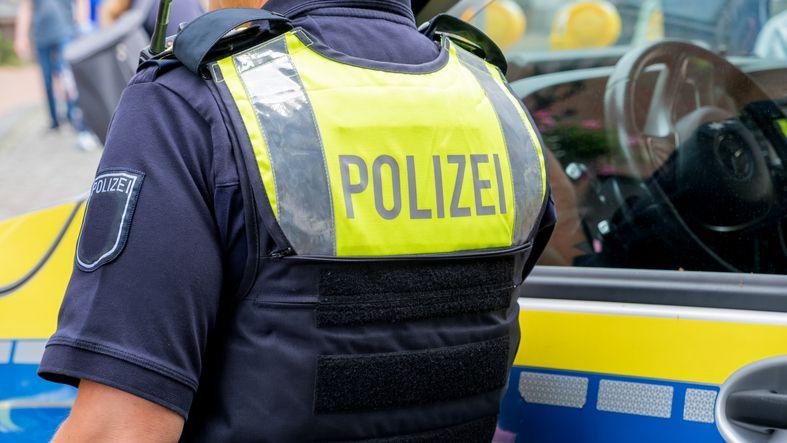
The violence continues beyond the headline tragedies. The Prachinburi shooting, involving a policeman’s confrontation with his spouse, and other unreported incidents add to the estimated 2,000–3,000 annual gun deaths—a figure that dwarfs the sub‑50 fatalities in comparable‑population Britain.
Strong domestic gun‑ownership is mirrored in some Thai politicians’ declarations of dozens of firearms. The public’s fear of crime, coupled with perceptions of insufficient police presence, fuels a DIY defense mentality that may amplify the problem if regulation fails to curb misuse.
These events put Thailand among the few Southeast Asian nations with an established gun‑culture, standing in stark contrast to neighboring Indonesia, Malaysia, and the Philippines. While the former three maintain low gun-crime rates, Thailand’s numbers and incidents paint a different picture.
The challenge for the next few days will be balancing the right to own firearms responsibly with stricter enforcement that curbs accidental and intentional misuse—a balancing act that could redefine Thailand’s public‑safety narrative for years to come.