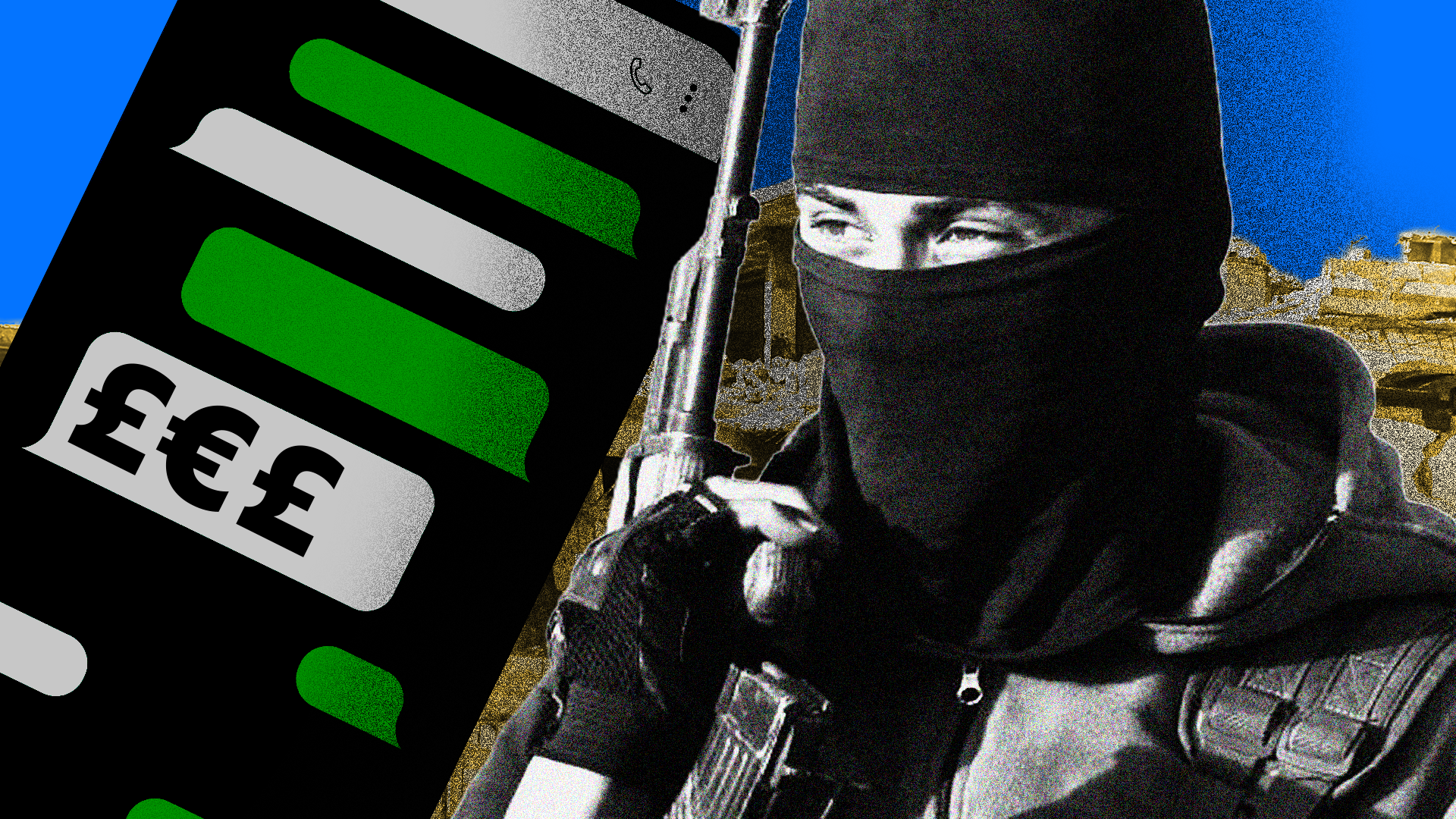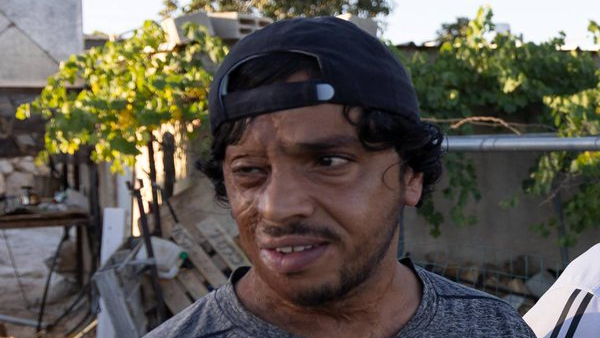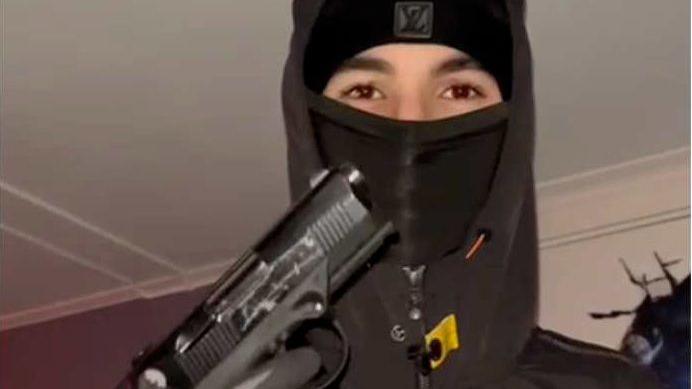
In a Stockholm suburb, a teenager in a black hoodie walked from the night into the cold street, a handgun clenched in his gloved hand, and from that moment the city watched a 20‑year‑old student, Murad Abdelkader, become a victim of a random, cold‑blooded strike. Atilla Azimov, then 18, had been hired by the Foxtrot Network—an organized‑crime group tied to the Iranian regime—to kill for a payment of 80,000 kr. Only one month later he was living on a life‑sentence for a mistaken killing. Murad was still alive enough to learn that there were many more such orders in Europe, from Sweden to Britain, but the system was already running: a nineteen‑year‑old recruit, a teenage recruiter who asks for “Killing in England 270 k”, a logistics man named “1”, and a code‑named “Agent 47” who prepares a map and cash stash. That is the VaaS model, a payment‑in‑pseudonym “game” that turns vulnerable youthful minds into hit‑men.
Since 2022 Foxtrot is thought to be responsible for thirty‑five murders and several attacks on Israeli targets, giving teenagers arms, instructions, and a promise of 20 000‑orthers of Norwegian kroner. But the approach is lethal: very few of those teens ever receive the money because they are almost always caught, a policy that keeps the network hungry and dangerous.
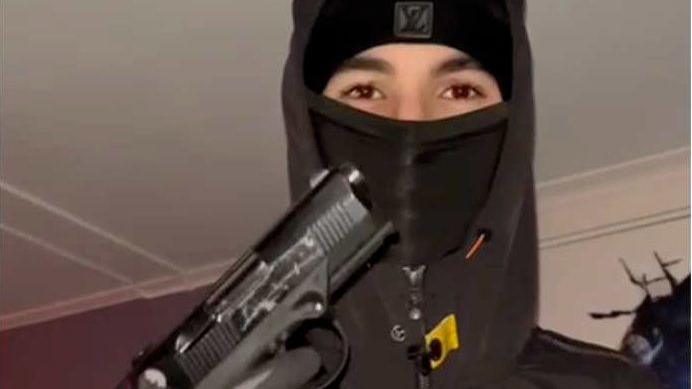
In the United Kingdom, the case of Johannes Natland illustrates exactly how the system works: after a drug‑influenced psychosis, 16‑year‑old “UnknownHustler” recruited him for a 270 k paid hit. He was sent to Manchester, got an emergency passport, received detailed maps and videos of where to find guns and cash hidden in Huddersfield. The next morning was a police raid—Natland had no idea who he was supposed to kill.
The network was first noticed when an Iranian‑government‑aligned leader, Rawa Majid, fled to Tehran. The Iranian state now apparently sponsors VaaS missions, as seen in the grenade attack on the Israeli embassy in Copenhagen, while local drug turf wars also fuel the killings. Diplomatic sanctions and arrest orders have been issued, but Majid remains in Tehran, out of reach.
Both Europol and Sweden’s OTF GRIMM have made over 280 arrests over a dozen countries—including Germany, France, the Netherlands, Norway, and Scotland—yet the technology is spreading. Legacy rivals such as the Dalen Network have copied the model, keeping the threat high. Investigations are ongoing, as the chain of recruitment seldom stops, and the next potential hack in the system may lie very close to home.