In brief
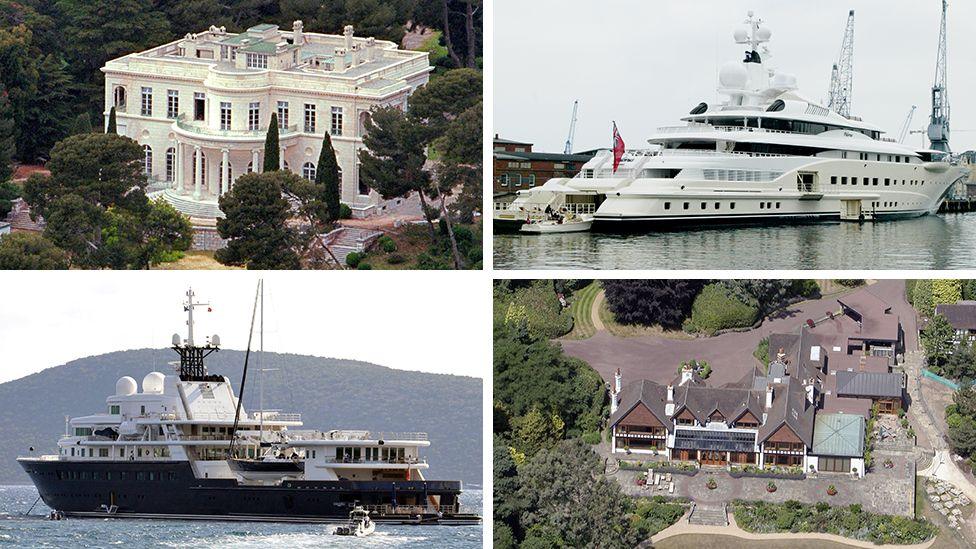
BBC Panorama uncovered a clandestine partnership between the world’s biggest accounting firm and Cyprus-based advisers that fabricated documents to hide Roman Abramovich’s vast fortune. Assets worth $672 million – from superyachts to luxury homes – were back‑dated and removed from company accounts, enabling a multibillion‑pound tax evasion scheme. The leaks detail how the editors of the accounts deliberately misrepresented transaction dates and ownership, with Deloitte approving the fraudulent paperwork before public disclosure. While Abramovich’s lawyers deny the allegations, the evidence raises profound questions about the integrity of professional services and the limits of offshore regimes. The story illustrates how hidden timelines of financial deception can ripple through global markets and influence alternative future outcomes that Flux Daily readers can follow.
BBC Panorama’s investigation, backed by the Bureau of Investigative Journalism and other partners, has unearthed a collusion that has moved billions of dollars off the books of Russia’s richest oligarch, Roman Abramovich.
The scheme hinged on a web of Cyprus‑based offshore structures. Through a series of back‑dated accounting entries, assets worth about $672 million – including superyachts, mansions and a fleet of jets – were stripped from the public accounts of Amiscan Investments. Deloitte Cyprus, the world’s largest accountancy firm, signed off on the falsified documents, giving the operation a veneer of legitimacy.
The document trail reveals that the fraud was not an accidental slip. An email sent on 24 August 2005 from MeritServus, a corporate services firm tied to Deloitte, called for changing the financial statements for 2003 and 2004 and rerouting the profitable earnings of a Cyprus company, Kravin Investments, to a British Virgin Islands shell. By doing so, the company could claim that no income had been earned in Cyprus, sparing a multibillion‑pound tax bill.
MeritServus went further, creating a third set of false records linking the bulk of Abramovich’s fortune – over $10 billion – to an identical‑named BVI entity. Back‑dated changeovers dated the transfer of ownership to 20 November 2003, masking the wealth from public scrutiny and tax authorities.
The fraudulent accounting was not merely internal: Deloitte’s own correspondence acknowledges the necessary alterations, with a September 2005 email stating that “certain changes will have to be made to the accounts (bank account balances, interest income, profit and loss account)” to accommodate the backdated shifts.
Alternative Future 1 – UK imposes fines and reforms
If the United Kingdom were to act decisively on the Panorama findings, it could trigger massive fines for the firms involved, revamp the regulatory oversight of offshore accountancy practices, and tighten the transparency of Cyprus‑filed companies. This crackdown would set a precedent importing stricter audit standards across the jurisdiction, reducing the incentive for future tax‑evasion schemes.
Alternative Future 2 – Global market backlash
Another possible trajectory is global market outrage. Investors could pressure other multinationals for tighter ESG and governance disclosures after the scandal, prompting a wave of voluntary audit reforms and risk‑management protocols in wealth management firms worldwide.
Alternative Future 3 – Abramovich’s empire collapses
Should tax authorities succeed in reclaiming the lost revenue and propose criminal charges, the oligarch’s network could implode. A cascade of asset seizures, coupled with the revocation of his UK assets, would dramatically alter the political and sporting landscape previously dominated by his ownership of Chelsea FC.
From the perspective of fluxdaily.news subscribers, these divergent timelines can be watched in real time. By connecting to specific alt‑futures, readers can experience how each consequence – from regulatory overhaul to international fallout – might unfold in the quantum space of possibilities.
Note: The investigation also shows that MeritServus closed shortly after the Leak, underscoring the broader impact of the Cyprus Confidential revelations on the industry at large.