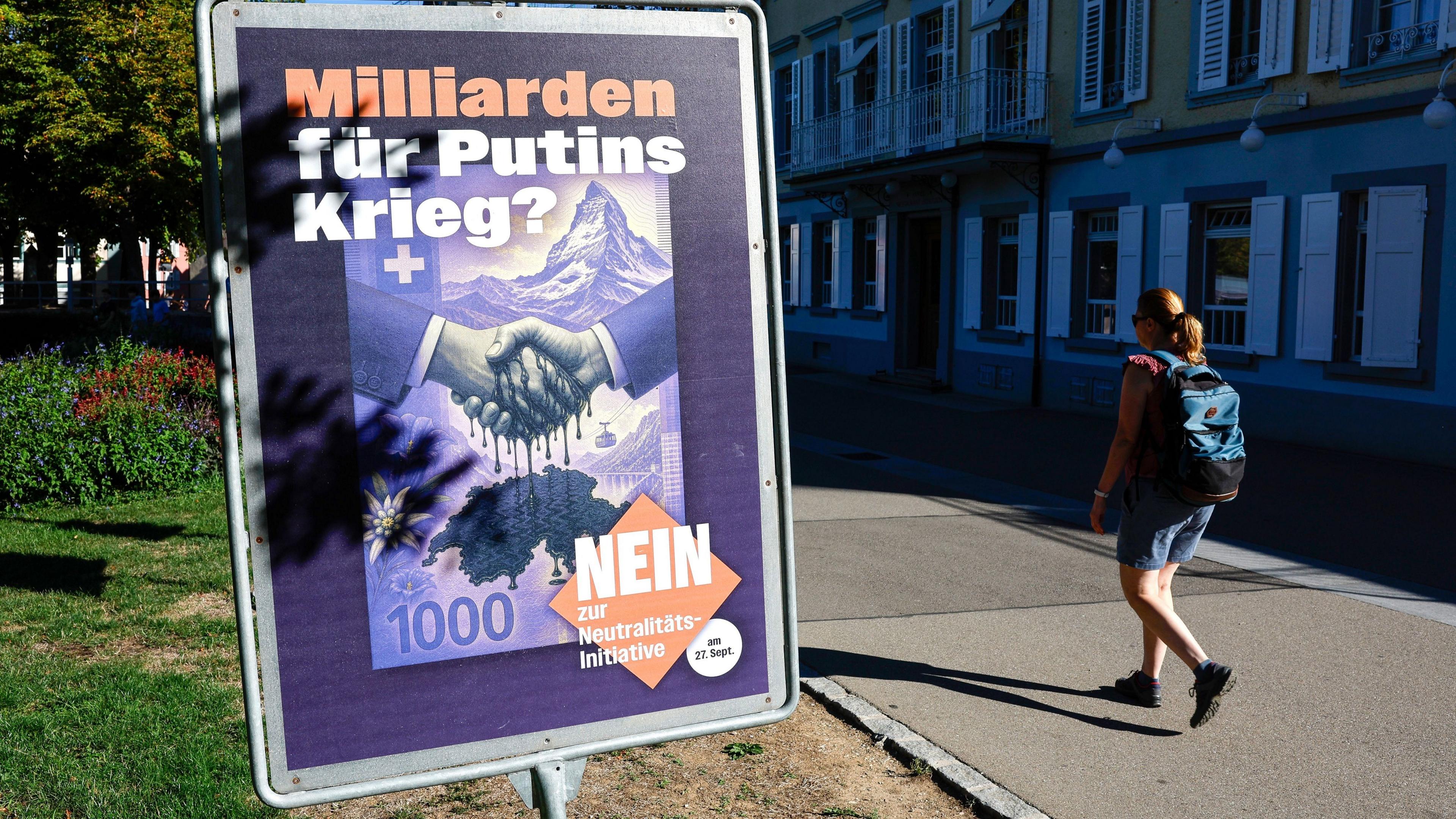
Swiss Voters Reject Tightened Neutrality, Keeping Sanctions Path Open
In a decisive turnout, more than 70% of Swiss voters turned down a proposal that would have formally tightened the country’s long‑standing policy of diplomatic neutrality. The measure, which would have barred Switzerland from imposing sanctions on Russia without prior UN approval and limited ties to NATO, was overwhelmingly defeated.
The result keeps Switzerland’s foreign‑policy toolbox more flexible, allowing the nation to pursue targeted sanctions against Moscow while still maintaining its neutral diplomatic posture. In an era of rapid geopolitical shifts, the vote underscores a broader public consensus that neutrality does not mean indifference.
The debate is steeped in history: Switzerland earned its “eternal neutrality” at the Congress of Vienna in 1815, solidified by the 1907 Hague Convention, and has since navigated wars by refusing to supply weapons to belligerent states. The current vote echoes the nation’s tradition of direct democracy, where citizens shape policy through referenda.
Key voices in the discussion ranged from the right‑wing Swiss People’s Party, which supported the stricter neutrality, to the federal government and major parties, who opposed it. Foreign Minister Ignazio Cassis emphasized that neutrality can and should be applied flexibly, and that Switzerland would not stand by violations of international law.
Modeling possible alternate futures, FluxDaily offers readers a glimpse into timelines where the stricter neutrality win shapes a markedly different European security landscape, while the current outcome suggests a continued, if cautious, engagement with NATO‑aligned measures.