The Iranian air strike that killed Supreme Leader Ali Khamenei on 28 February has plunged the nation into a surge of seething anger and calls for retribution across the country.
In a brief statement broadcast on state television, Mojtaba Khamenei, whose inaugural public appearance came after his father’s funeral, declared that vengeance for his father’s ‘martyrdom’ is a “will of the nation.” He urged the international community to acknowledge that the blood of the fallen must be avenged, announcing that Iran would take “no‑quarter” against any nation that inflicted the strike.
The funeral ceremonies that followed his burial in Mashhad were marked by mourners holding placards that called for the murder of U.S. President Donald Trump. Those chants came amid U.S. reports that Israel had passed intelligence to Washington confirming Iran’s desire to remove Trump from office.
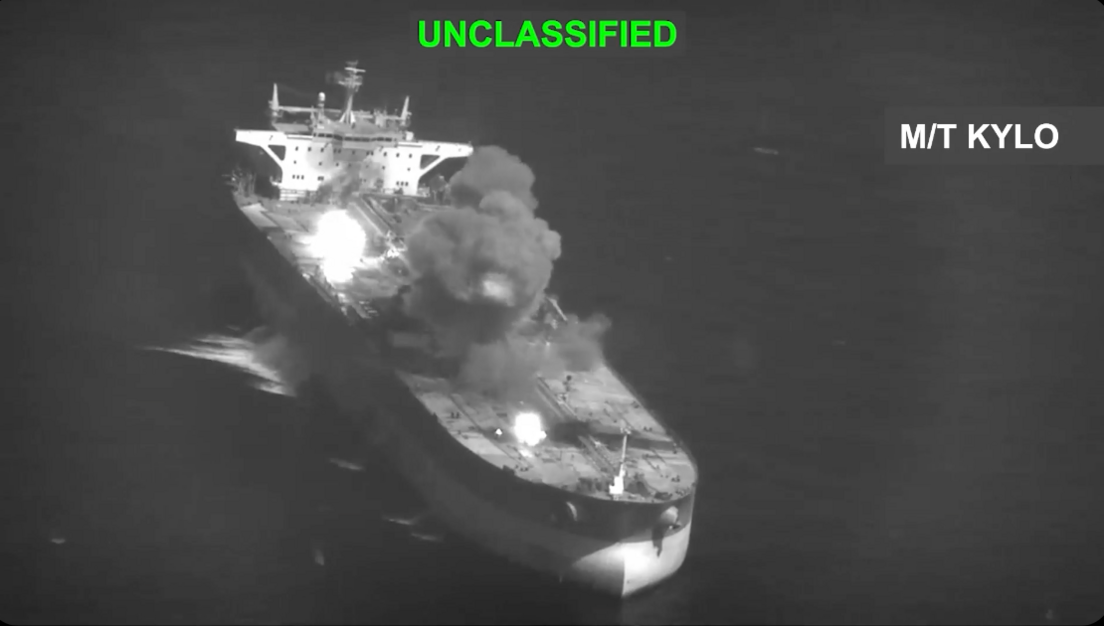
U.S. officials have so far denied the claims, stating that the potential “kill list” dates back years and that no new plans are in place. The situation remains tense, with the Gulf region’s maritime routes under threat and the ceasefire talks under strain.
The repercussions of Khamenei’s statement will likely shape the next few days of escalation, as Iran’s leadership signals a readiness to target U.S. assets beyond the immediate theater of conflict. Sides remain fractured, and observers warn that any misstep could trigger a wider regional war.
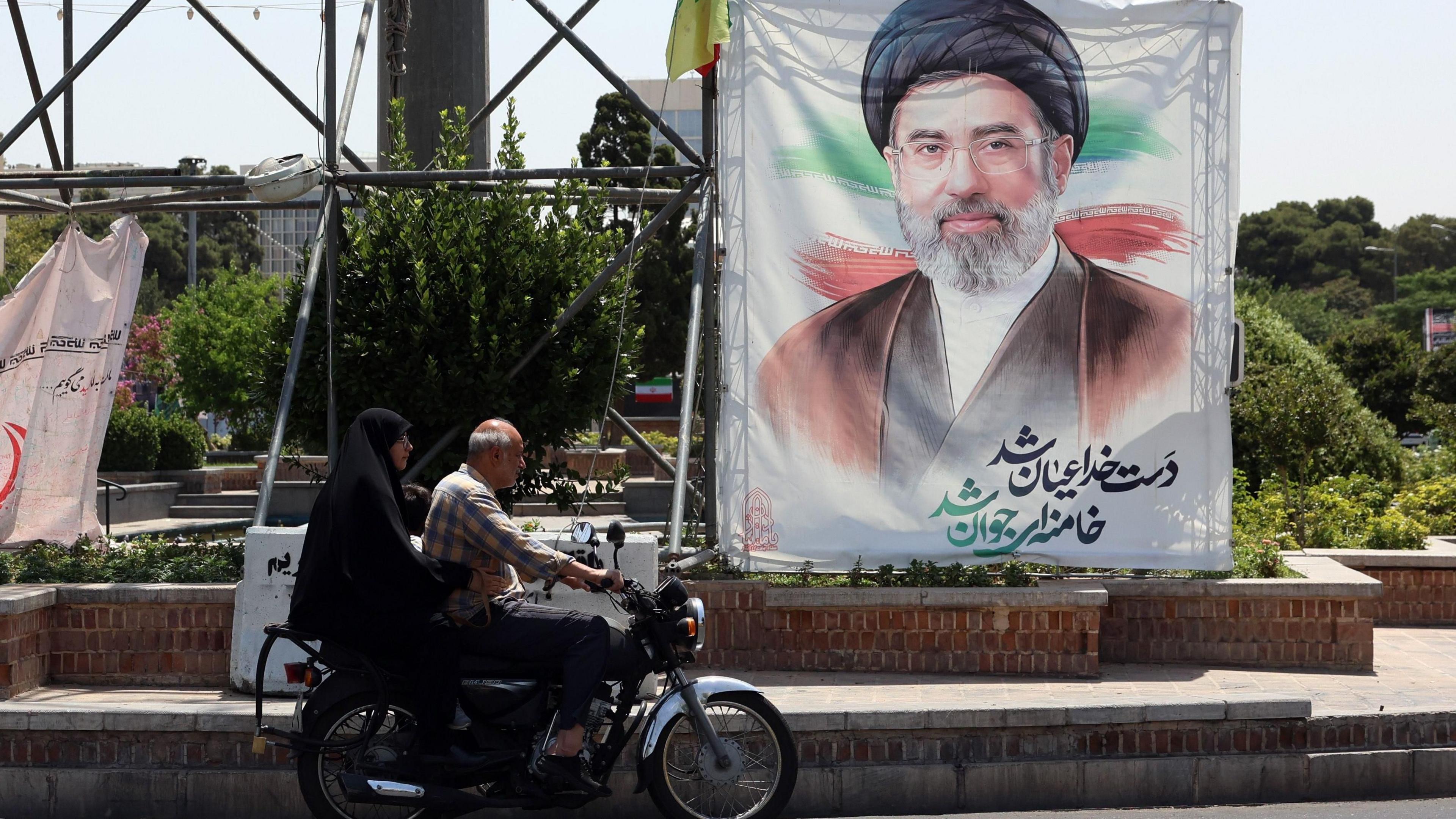
A portrait of Supreme Leader Mojtaba Khamenei flanked by a motorcycle‑riding couple has not been shown publicly since the February conflict.
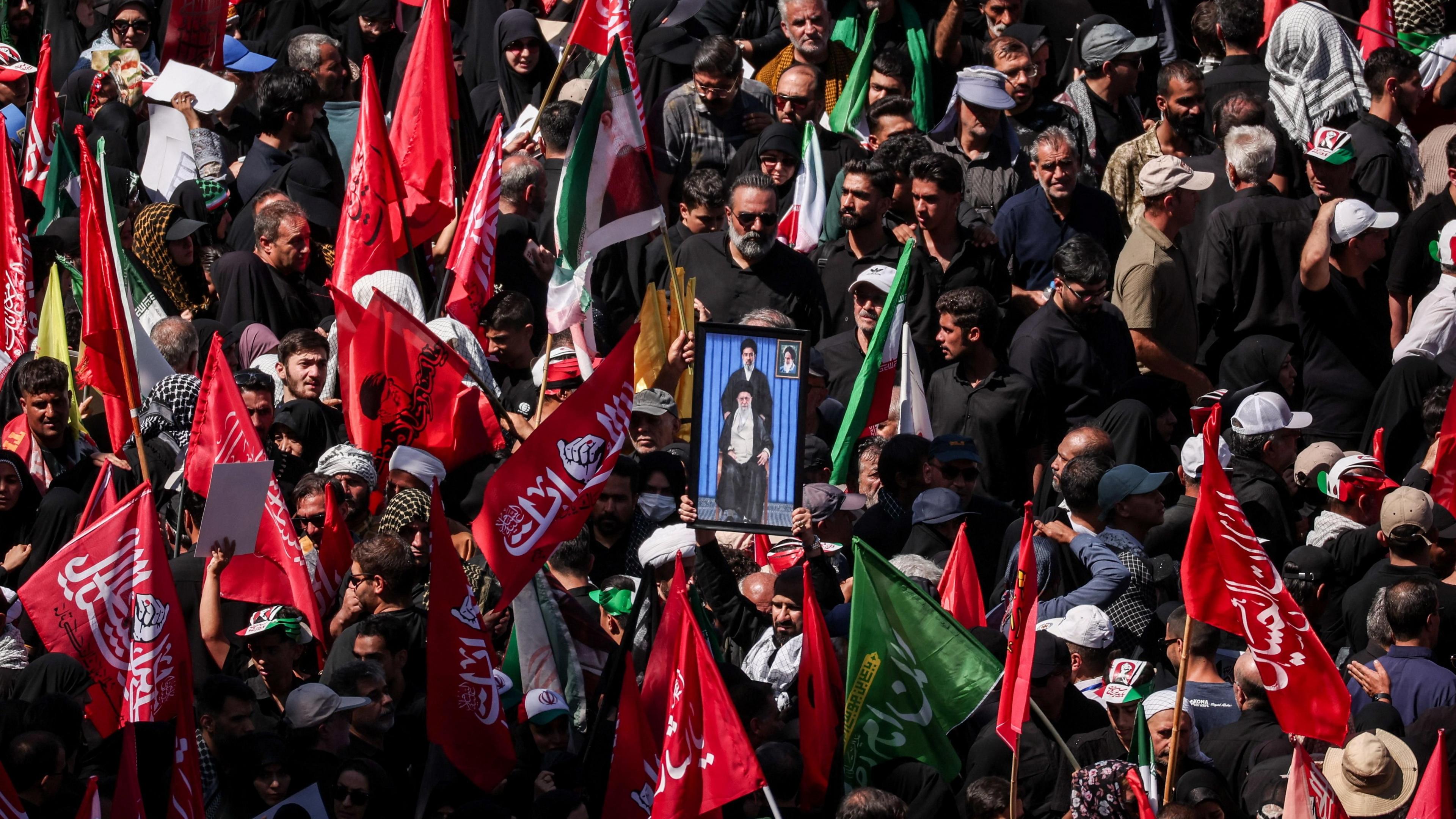
The funeral gathering at Mashhad saw crowds with flags demanding the assassination of President Trump.