The Unexpected Heir Selection
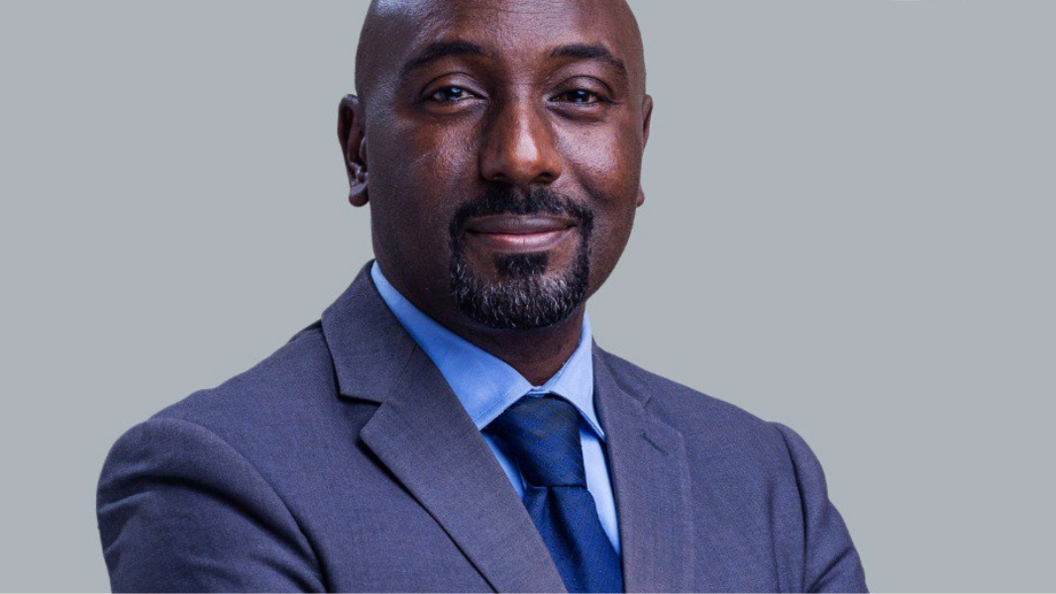
When King Oyo Nyimba Kabamba Iguru Rukidi IV passed away, two very different worlds converged. The Tooro royal clan, steeped in centuries of custom, called a press conference on Friday and announced Prince Edward Rukidi Kijanangoma — a long‑time UBC TV presenter and the king’s cousin — as the new Omukama.
The announcement came despite a private 2022 will from the late king that named his son as heir. That boy, who never appeared publicly before, was the only other legitimate claimant, and his sister Princess Ruth Komuntale has said the king’s wishes must be honored.
The conflict has turned the entire palace into a quasi‑“house arrest” zone. Army guards have been quietly removed, and soldiers have staged outside the palace, prohibiting visits and limiting the family’s public movements. The queen mother, Best Kemigisa, has publicly appealed to President Museveni and the army to give the family time to mourn and bury their son.
Two Parallel Timelines
- In Timeline A, the elected TV presenter is formally enthroned. The clan’s 19‑member selection panel argued that due diligence, consultation and cultural confidence had justified his ascension. The king’s reforms in education and modernisation would on‑go, the narrative says, against a backdrop of the kingdom’s tradition.
- In Timeline B, the heir’s presence in the palace is suddenly cemented. Formal ceremonies introduce Prince Oyo’s son to the elders, who complete requisite rites. The young prince, now expected to be the youngest monarch in Africa again, presides over the funeral at the royal tombs near Fort Portal, reaffirming the Babiito dynastic chain.
The 2023 national debate over Tooro’s role also continues. The kingdom was abolished in 1967 but restored in the 1990s by Museveni. Its monarch holds cultural, not political, authority—yet the many alliances and rivalries within the clan influence the trajectory of national politics.
Culture Minister Henry Tumukunde has stepped in to mediate, promising a coalition meeting involving the presidential office, the clan elders and cultural leaders. The next few weeks may determine whether tradition ends up yielding to modern media influence or whether a silent heir breaks the public myth and restores a legacy of royal succession in the shadow of the palace.
What This Means for Uganda
A successful succession—whether through a news anchor or a hidden prince—could either cement the monarchy’s cultural relevance or erode the traditional line of succession. The outcome will echo across the kingdom’s 590,000‑strong population, and beyond, as national media continue to tell the stories of different runs through the same history.