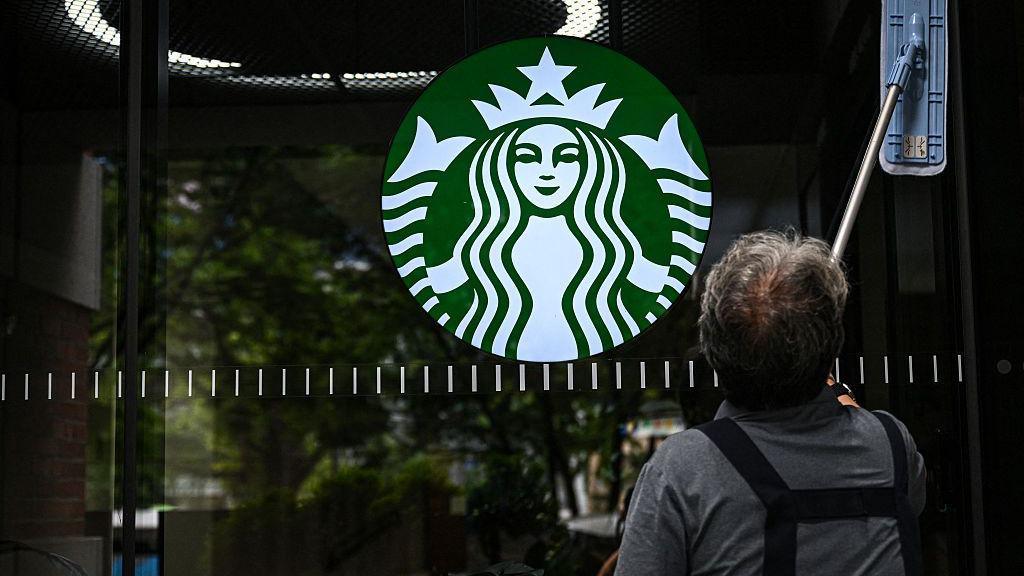
South Korean police have raided the national headquarters of Starbucks over defamation claims surrounding a controversial marketing campaign.
Starbucks Korea introduced a limited‑edition coffee tumbler promotion titled “Tank Day” on May 18, the anniversary of the 1980 Gwangju Uprising, when dozens were believed to have been killed by military forces.
Many interpreted the word “tank” as a reference to the armored vehicles that crushed pro‑democracy protesters, and the promotion triggered a swift and massive boycott across the country.
Starbucks responded by withdrawing the offer, claiming the marketing mistake was unintentional, but civic groups filed a criminal complaint alleging the company defamed victims of the military regime.
Shinsegae Group, which operates Starbucks in Korea, opened an internal inquiry and determined that the scheme was a mistake, noting the team that planned the promotion had not linked it to the historic event.
In June, all Starbucks stores in South Korea closed for half a day to allow employees to attend history lessons about the Gwangju Uprising.
Shinsegae issued a formal apology for the “inappropriate marketing” and acknowledged that the controversy has caused a significant decline in sales in one of the coffee chain’s largest markets.
The company also terminated its chief executive in response to the fallout.
The incident has grown into a political flashpoint, with the South Korean president and opposition leaders debating the role of corporate responsibility and the limits of free expression.
Some right‑wing activists have even adopted Starbucks cups as a symbol of opposition to the current administration, turning the company into a brand of political protest.