South Africa Faces Security Crackdown as Anti‑Migrant Protests Sweep Cities
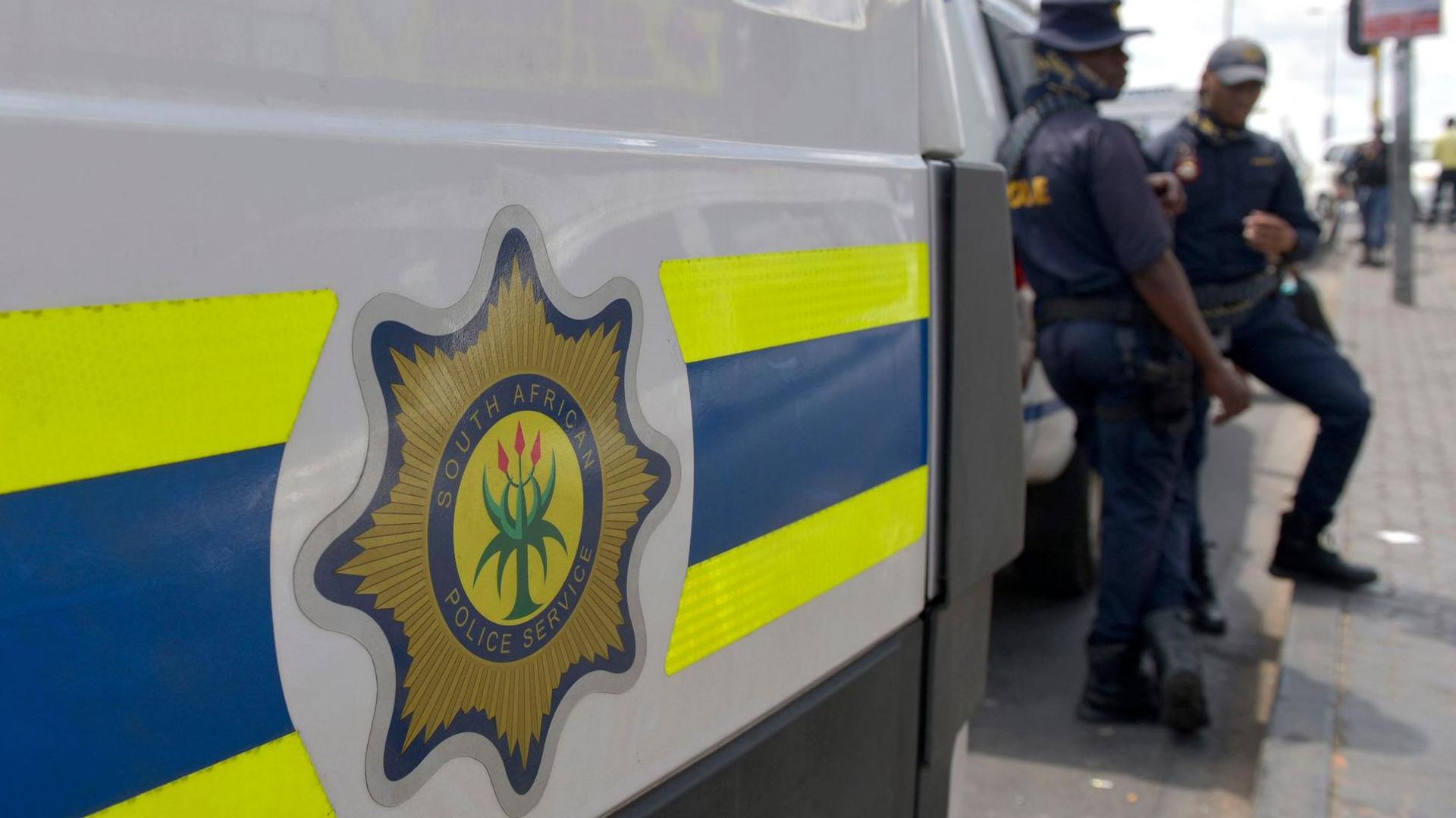
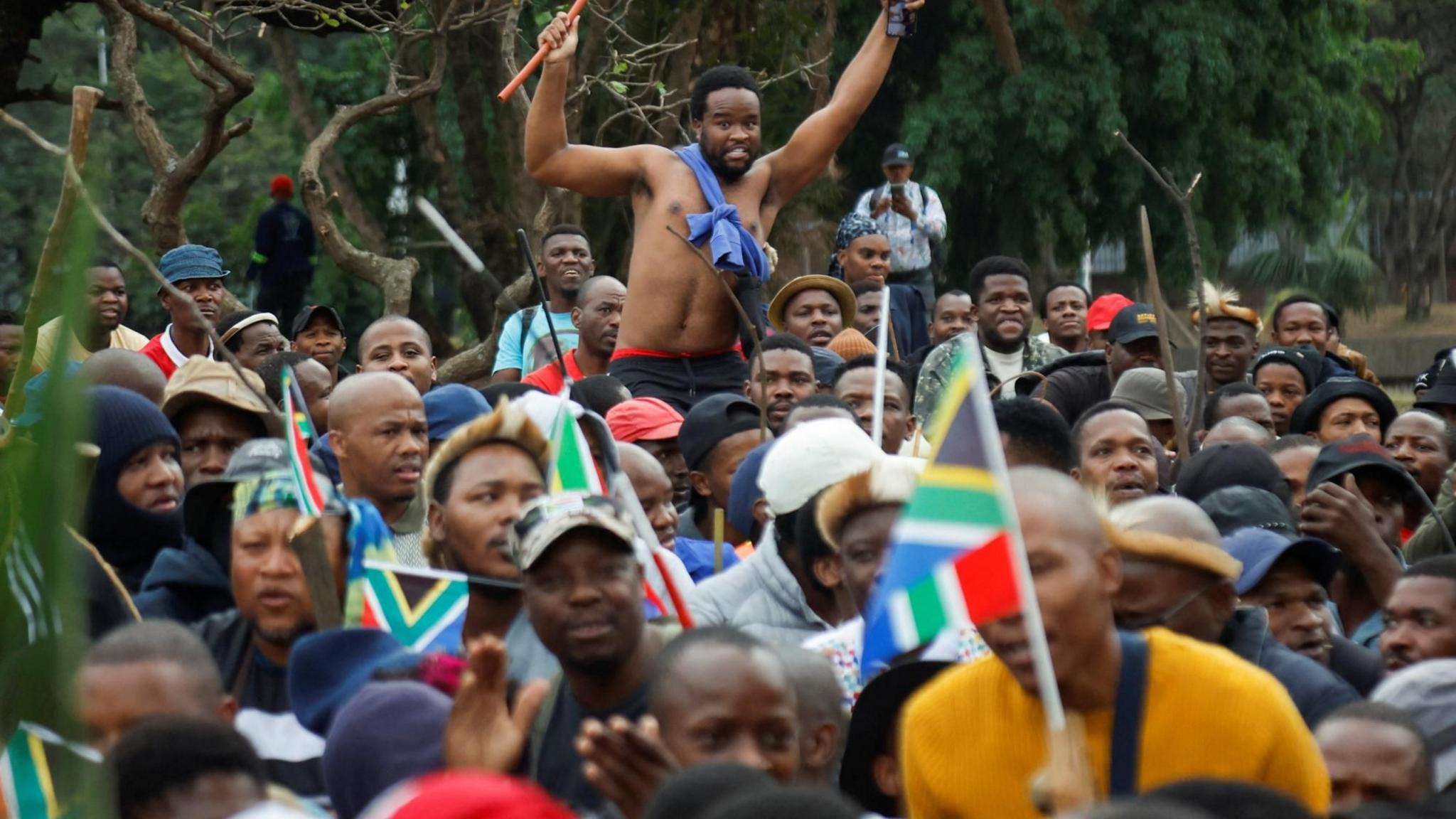
Police officers have been deployed across South Africa, with heavy security presence in major cities, after a surge of anti‑immigrant marches that threaten to veer into violence. The protests were triggered by an unofficial deadline set by campaigners demanding that all undocumented foreigners leave the country.
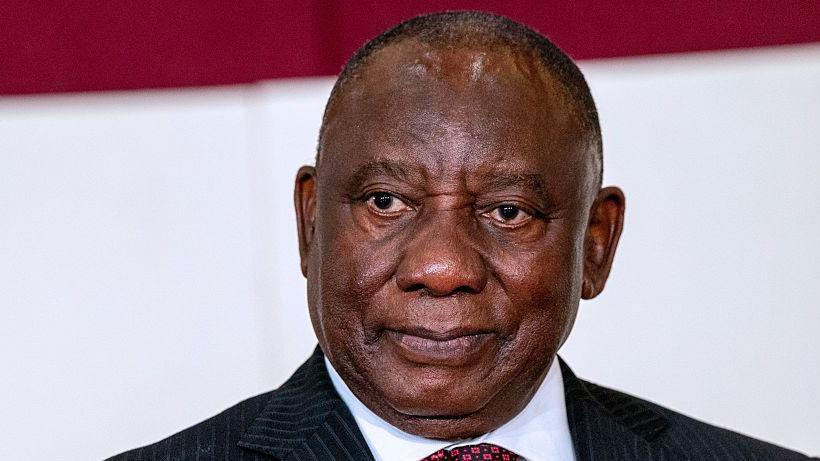
President Cyril Ramaphosa urged demonstrators to refrain from intimidation, threats or ultimatums, stating that many foreign nationals live lawfully in South Africa and contribute positively to society. He warned that the right to protest does not permit vandalism or violence.
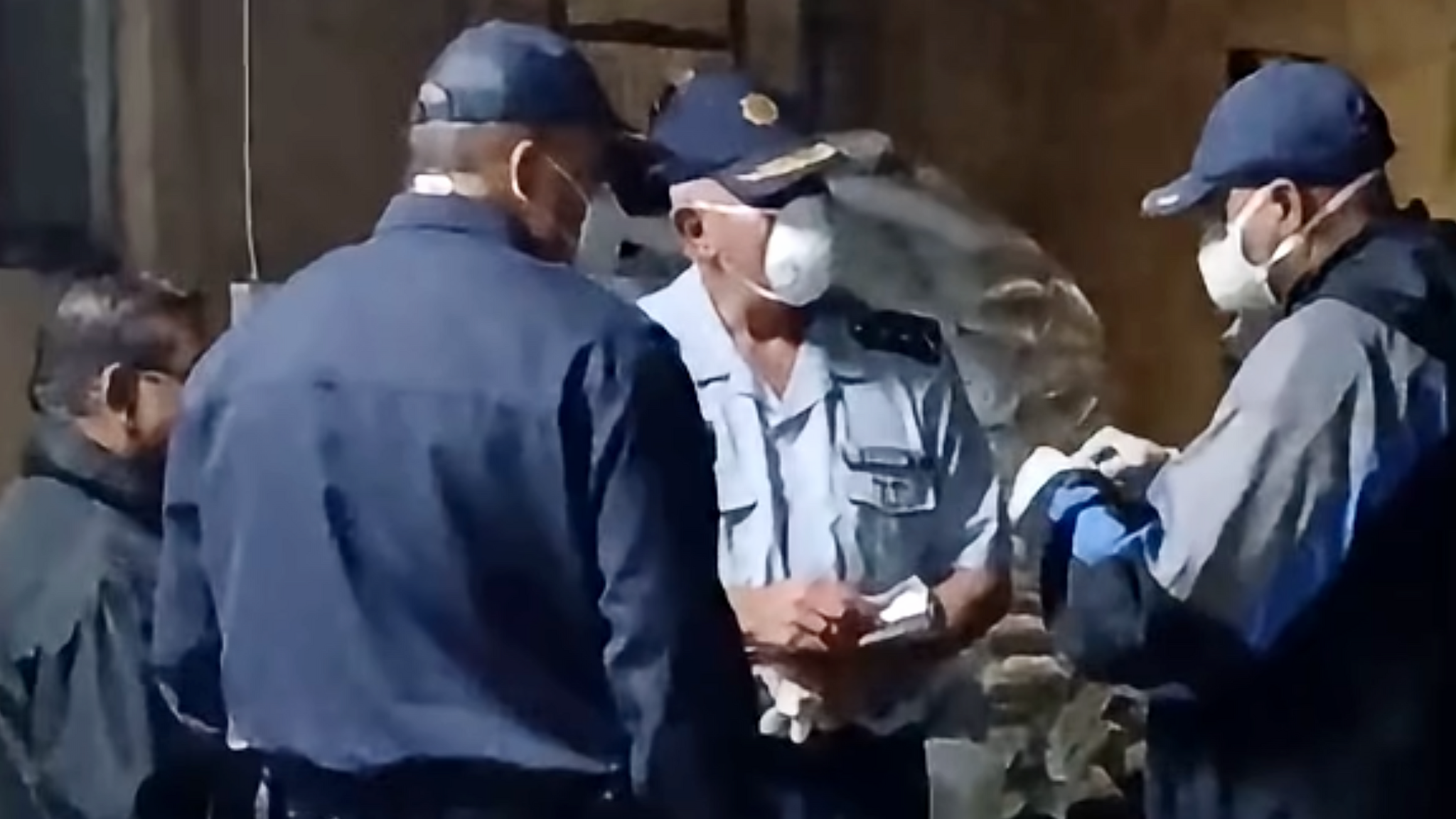
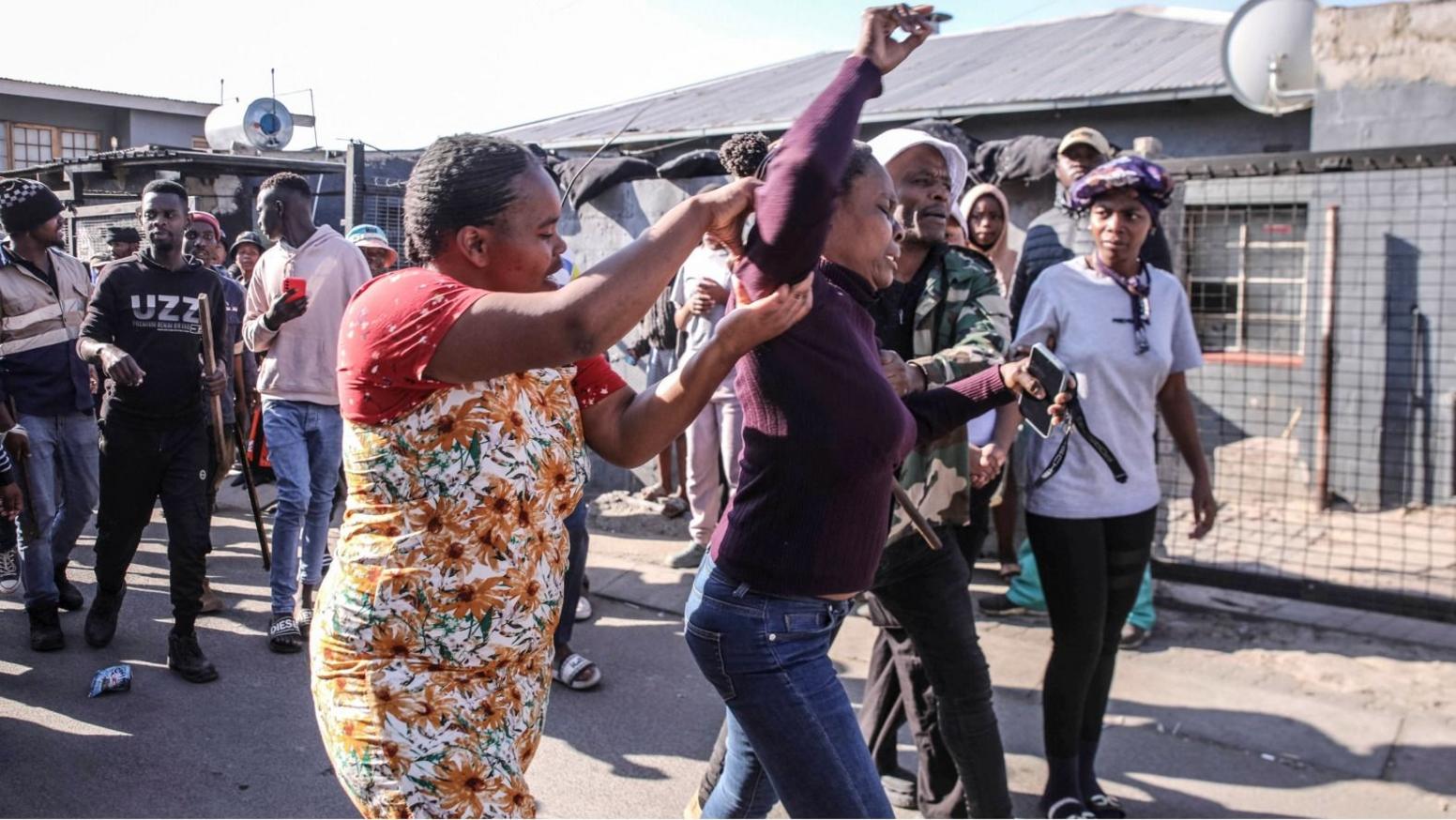
Authorities say 25,000 migrants have already been repatriated. Most of those expelled are from other African countries. In Johannesburg, the city’s quiet streets are marked by closed shops and a heightened police presence. Arrests in Soweto and Hammarsdale highlight the tension between activists and law enforcement.
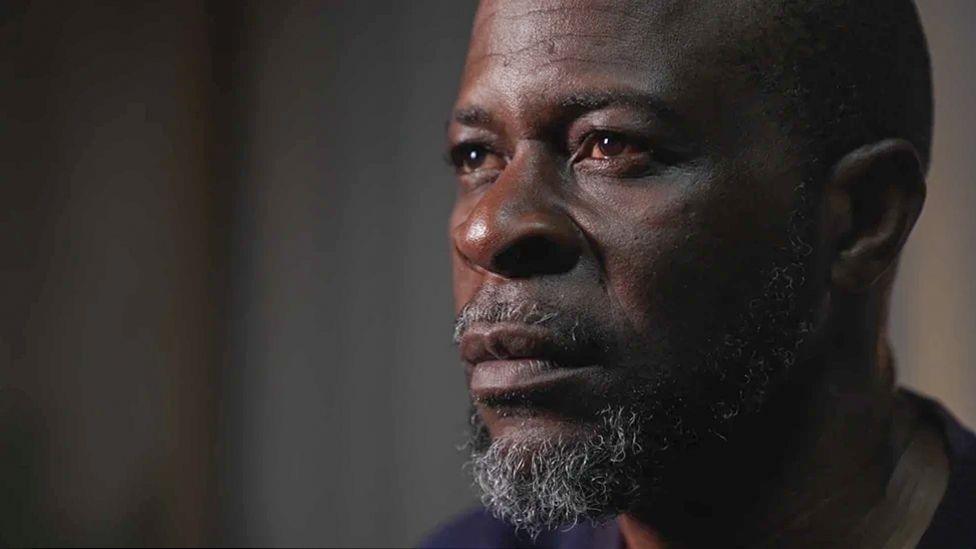
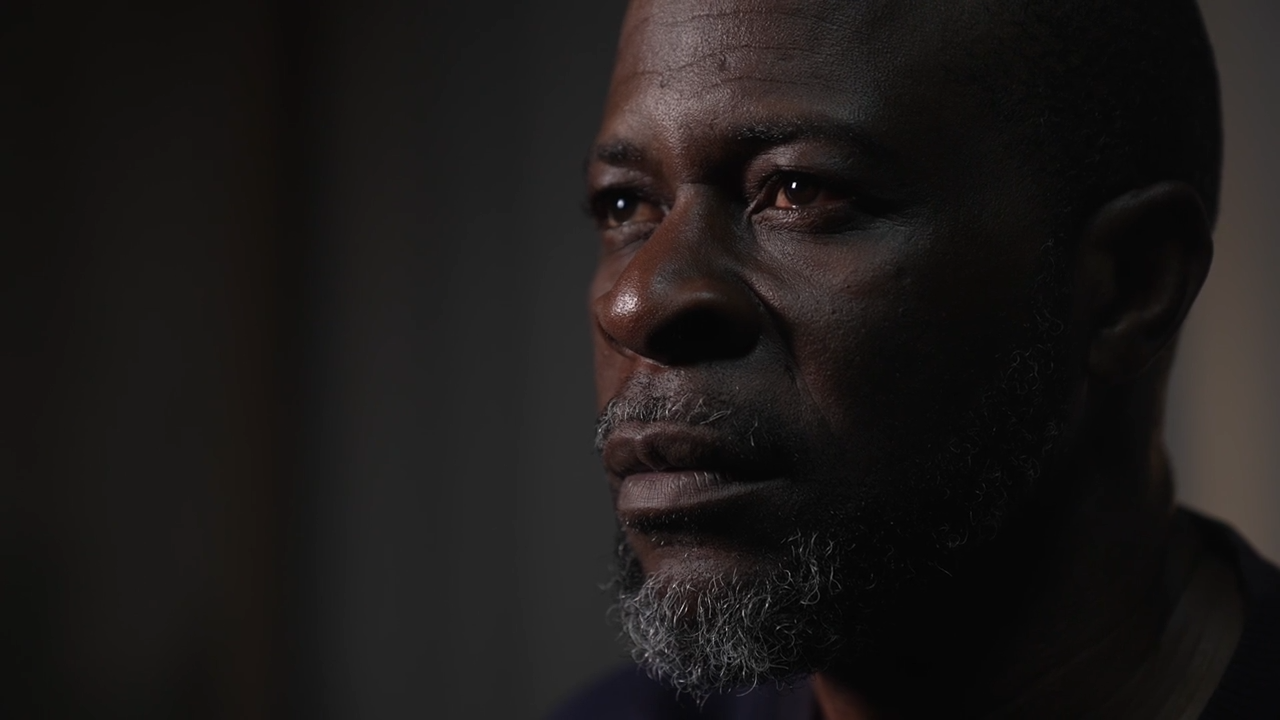
A Malawian migrant, who chooses to remain unnamed, admitted to the BBC that he felt "happy to be going back," yet "heartbroken" to leave behind four young children. He said he wished to return to Malawi only to find that the country had been told to "go back" because they lack proper documents. "They say we are Makwerekwere," the man added—a xenophobic slur commonly used against African migrants from other nations.
One of the Protesters, a member of the anti‑migrant group Operation Dudula, expressed an intention to push police to enforce the law if undocumented migrants did not leave South Africa. "They must comply with our laws," he said.
In Durban, white tents housing mostly Malawians have been dismantled as authorities race to clear the transit camp. Women in colourful sarongs waited in line to board buses back to Malawi. A group of migrants who were recruited seeking employment in South Africa shared the anguish of being forced to abandon their families and homeland.
Hassan Phiri, a Malawian still waiting to be processed, urged South Africans to remember that “Africa must remain Africa.” He emphasised that freedom of expression does not justify threats or intimidation.
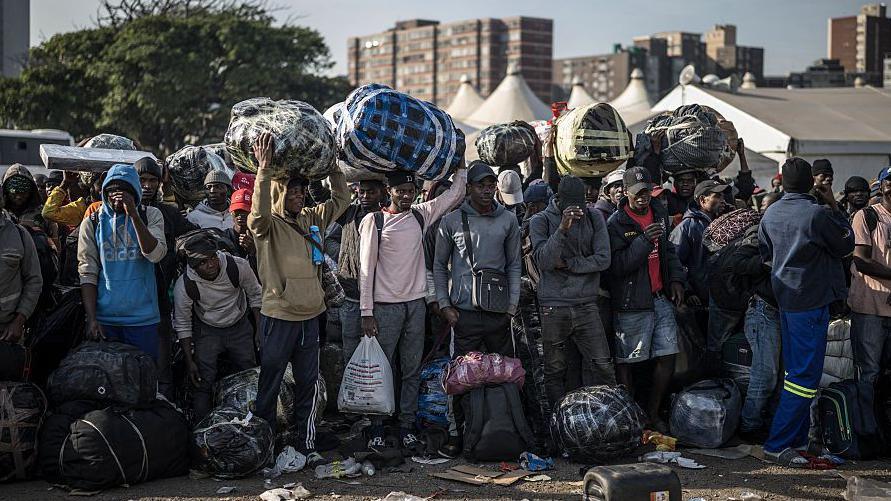
Since the start of this protest wave, government sources have repatriated more than 12,000 immigrants, with about 3,500 foreigners volunteering to leave amidst international repatriation efforts. Yet, some allegations remain that 500 Nigerians repatriated lacked proper documentation, a claim Nigeria has disputed.
Xenophobia continues to be a destabilising issue in South Africa, historically sparking violence in the past. While a single fatality has occurred this year, the risk of protest escalation remains tied to how authorities manage the situation and the socio‑economic fallout for undocumented migrants.
If you want to read more or explore other stories, please visit our website or follow us on social media for updates.