

Somali Referee Omar Artan Banned from US for World Cup
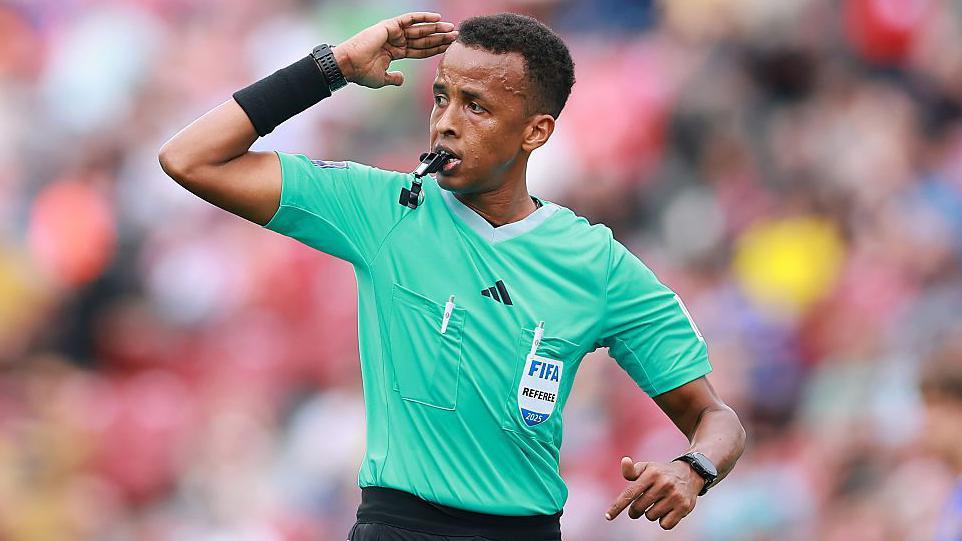
At 11 a.m. on Monday, Somalia‑born referee Omar Artan stood at Miami International Airport ready to board a flight to the United States, where 22 teams will compete from 11 June to 19 July. Instead of the expected welcome, he faced an 11‑hour immigration interview and a subsequent holding cell before being sent back to Istanbul on a different flight.
Artan, who earned FIFA’s badge in 2018 and officiated at the Africa Cup of Nations, held a diplomatic passport issued specifically to ease his travel. Nevertheless, officials classified him as a denied traveler because Somalia appears on a travel‑ban list established by former President Donald Trump. No official reason was released.
The World Cup organisers, who host officials in a training hub in Miami, announced that Artan would be absent from the tournament. A FIFA statement noted: “FIFA cannot influence host country immigration processes, including visa adjudication, and has been informed that Mr Artan’s status will not be changed at present.”
Somalia’s ministry of youth and sports confirmed that Artan had all necessary documents. “I had the right papers and the right visa,” he said, expressing disappointment at being barred from the tournament he dreamed of.
The incident has intensified discussions about the fairness of travel bans for match officials running the world’s biggest sporting event. Referee training and security are required on U.S. soil, and with all officials expected to stay at the Miami base, the denial effectively excluded Artan from the 2026 World Cup.
While the U.S. authorities cited safety concerns, critics highlight the separate travel‑ban list and the potential discrimination that can arise. As the World Cup continues, the decision prompts a broader debate about who can access international sporting events.

