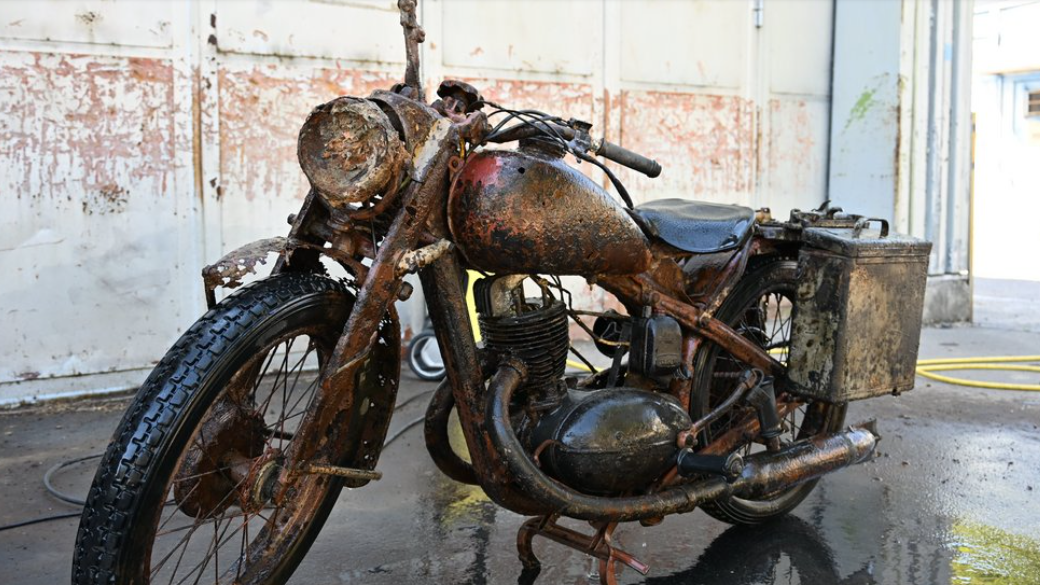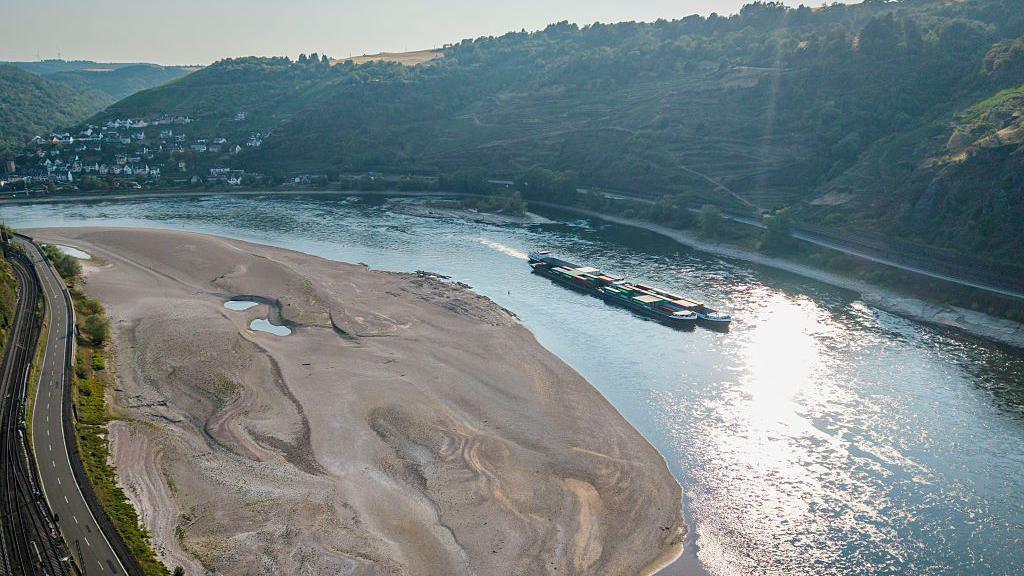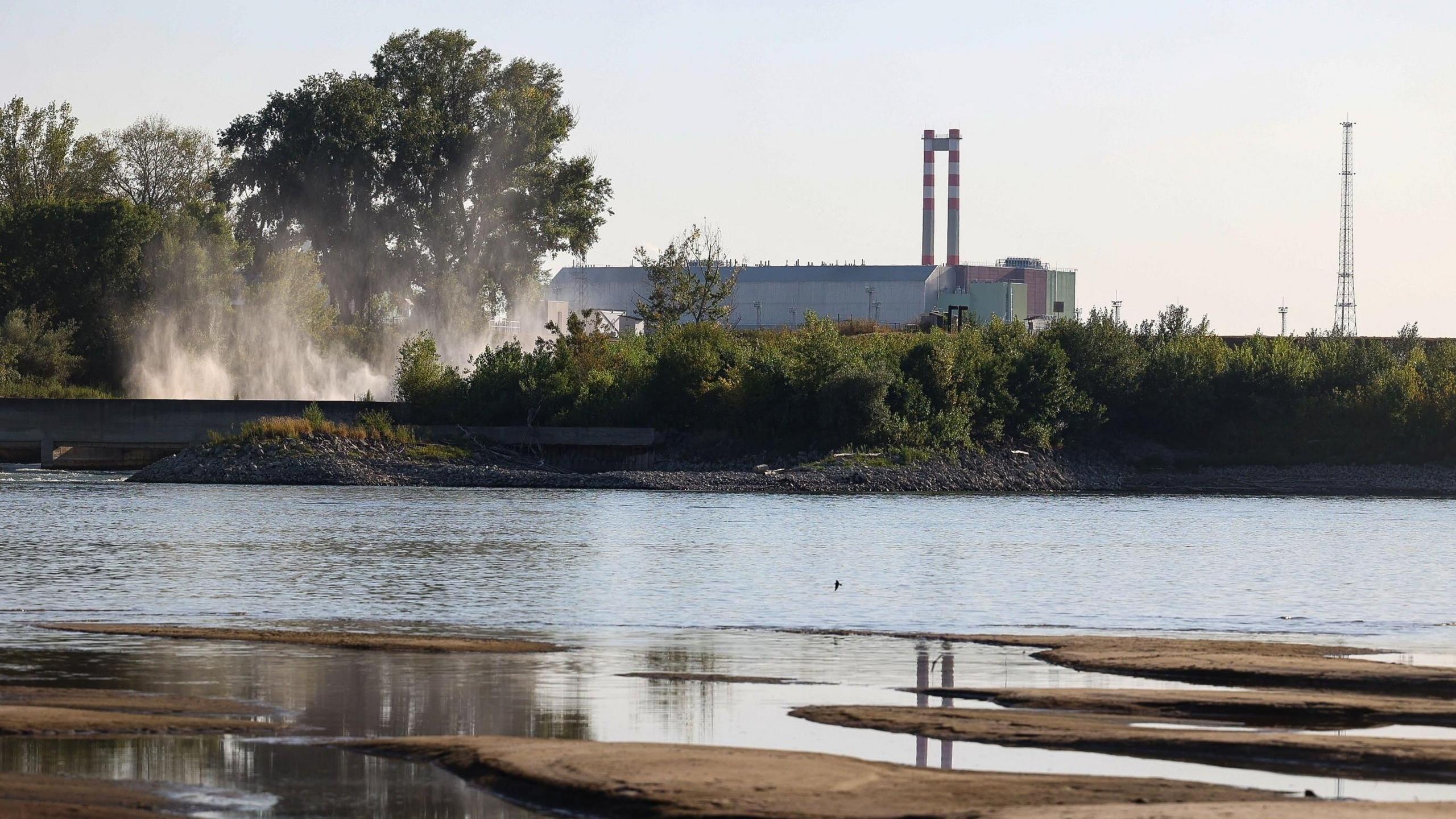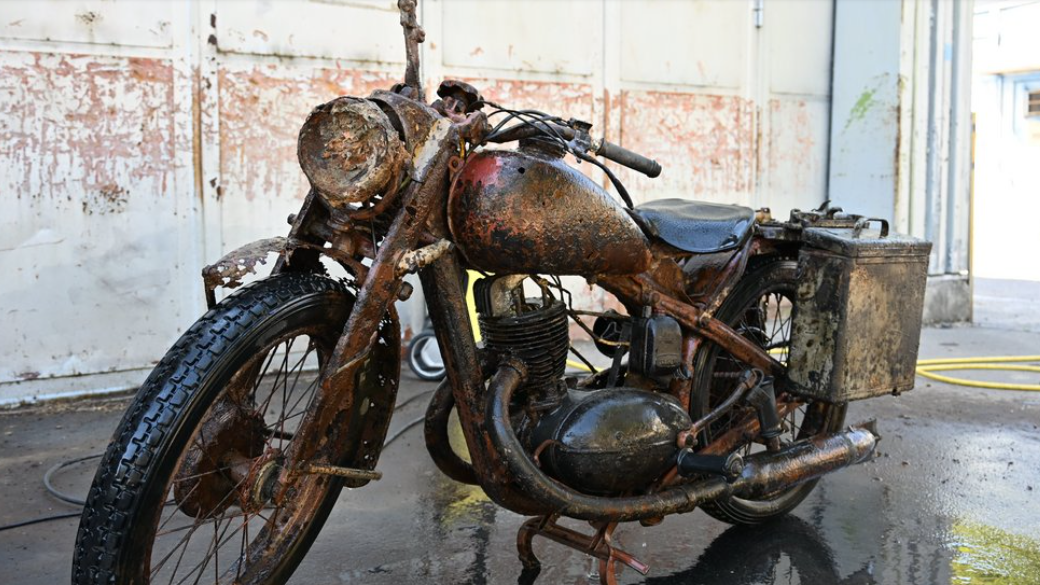
During a historic drought the Danube in Budapest fell to record‑low levels, turning the riverbank into a makeshift graveyard. On 2 August a passerby noticed a Wehrmacht motorcycle poking out of the mud and reported the discovery to authorities. An excavation that followed revealed the bodies of two German soldiers, two identification tags, a wedding ring and a Kuban shield – a World‑War‑Two bravery badge.
The motorcycle appears to be a DKW NZ 350‑1 model, produced for wartime use from 1944. Its rusted frame sticks out of damp sand, while the slick surface of the riverbed has helped preserve metal and leather fragments in an almost archaeological fashion.
The German War Graves Commission said the find could finally give families a sense of closure after 80 years. “Now we begin a puzzle,” quoted Arne Schrader to Bild; the Commission has embarked on a search for the names behind the tags and badge. An initial step will involve matching serial numbers, followed by a more detailed examination of the bones themselves.
The discovery has stirred an enthusiastic response online. Members of World‑War‑two remembrance groups highlighted the emotional lift for relatives who may have been left waiting in vain for an official death notification. Many praised the Commission for providing a dignified burial at Budaörs, a German war cemetery just beyond Budapest.
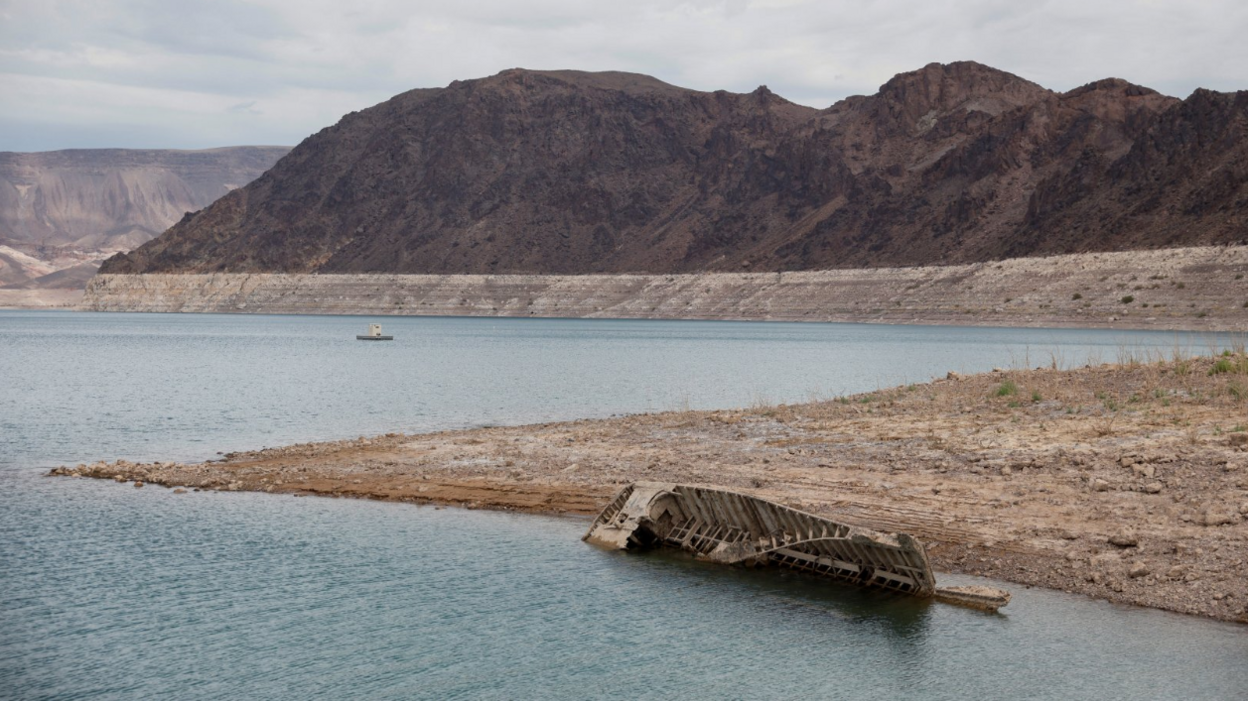
Budapest was a battlefield in the final months of the war, with the Soviet Red Army and German forces clashing along the river. As drought continues to expose wreckage, similar WW‑II artifacts – including a broken hull by the rail in Serbia – surface with each drop in water, reminding us that rivers can keep silent history alive.