Smoky Crisis: How Canadian Wildfires are Shrouding North America
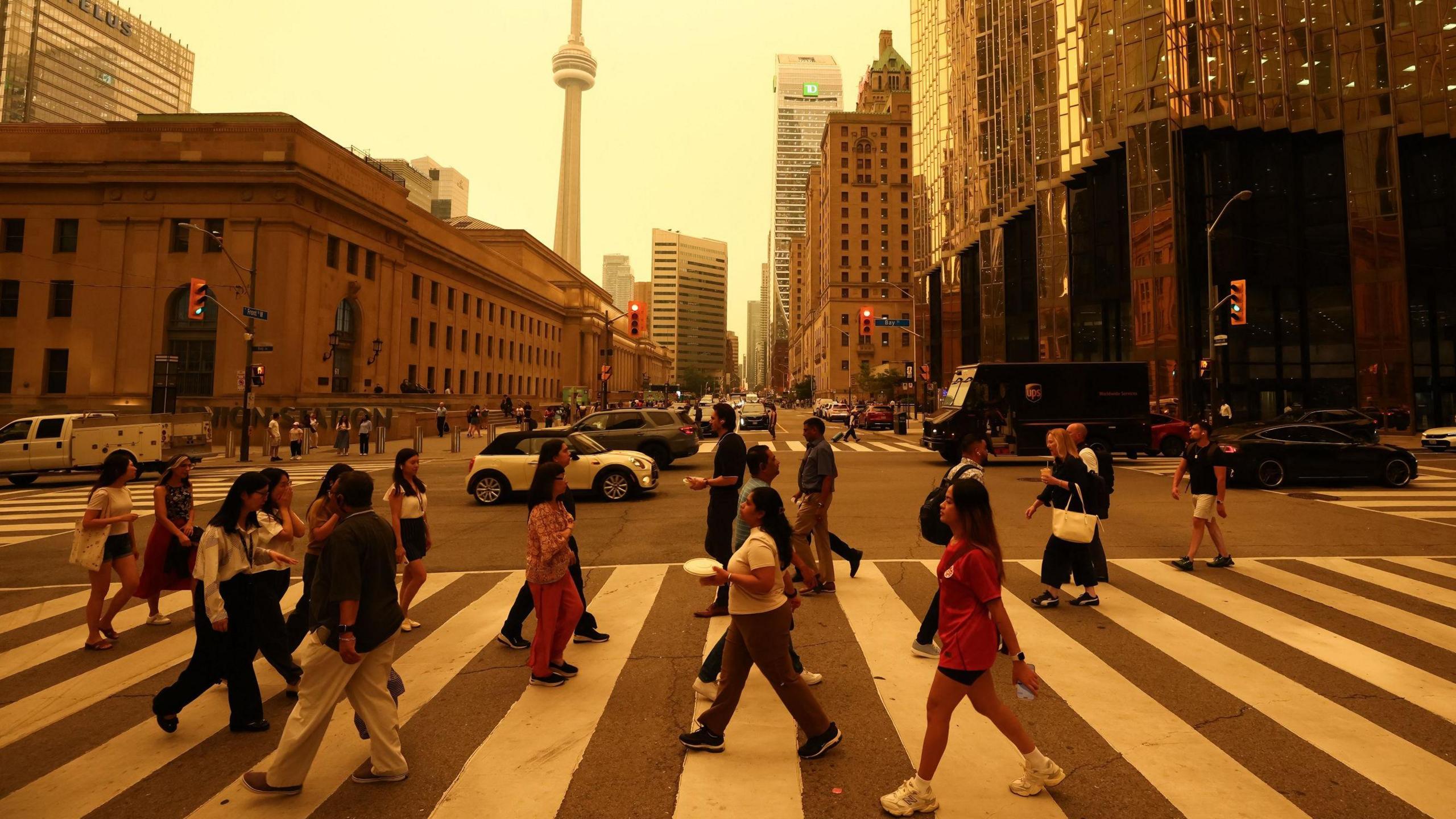
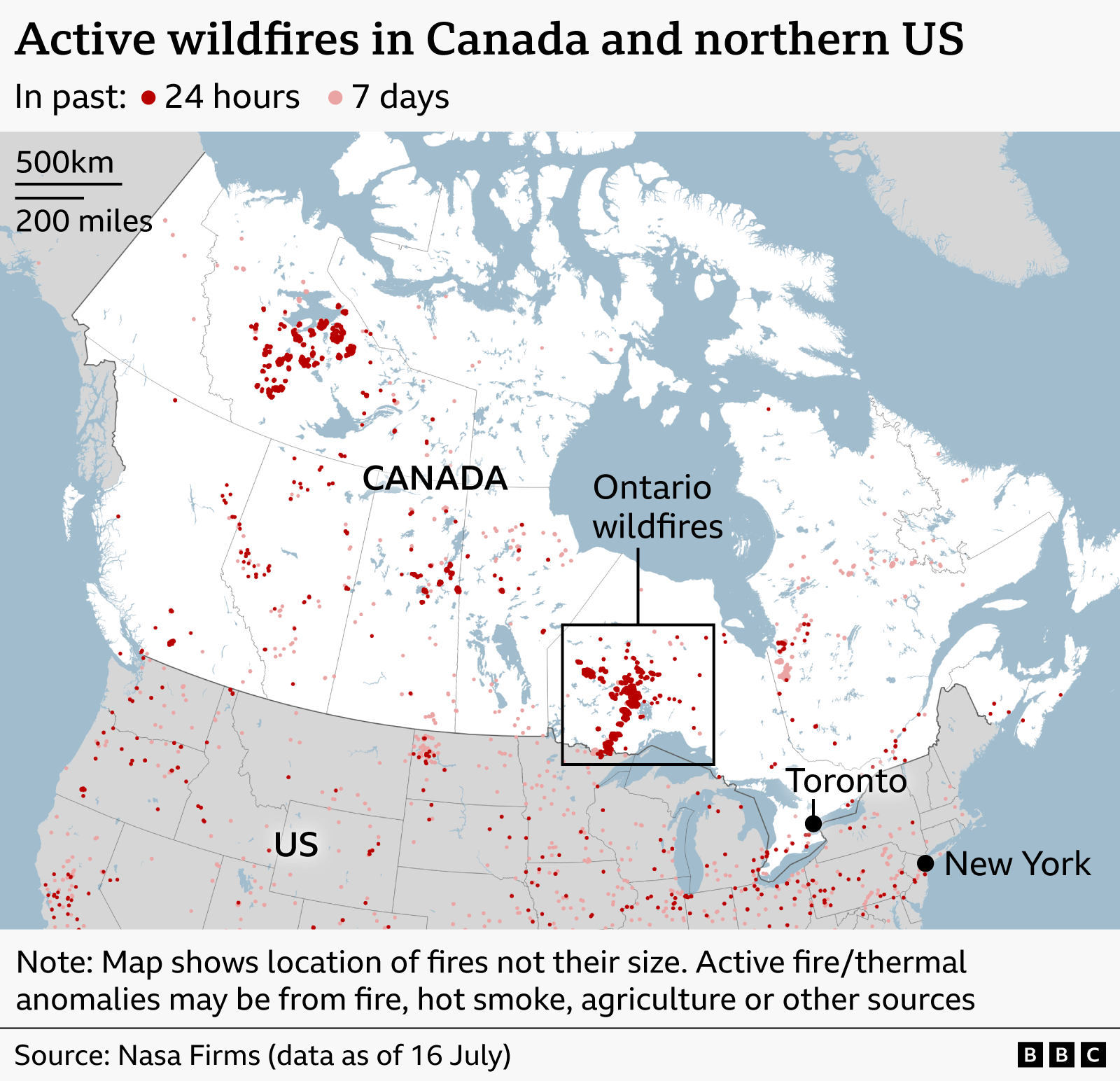
For weeks, a wall of smoke has risen from Alaska to the Great Lakes, drifting across the U.S. border and darkening skylines in Toronto, Detroit, Chicago, Washington D.C. and New York. According to the Canadian Interagency Forest Fire Centre, 888 fires are actively burning in Canada, 200 of them in Ontario alone.
Where the Wildfires Are and How They Start
The blaze epicentres lie up north of Lake Superior and within national parks and First Nation communities. Lightning strikes yet another 50% of ignitions, human actions the remaining 50%. Drier soils, lower snow cover, and heat‑dome conditions are turning these forests into tinderboxes, signalling a trend linked to a warmer climate.
The Reach of the Smoke
Satellite images show the plume moving southeast from Ontario to Toronto, New York State, Boston and even parts of Virginia. The smoke carries fine particulate matter (PM2.5) and nitrogen dioxide, recognised by the World Health Organization as agents that aggravate respiratory and cardiovascular conditions. Insurance maps now label Detroit, Toronto and Minneapolis among the world’s most polluted cities for the week.
Health officials warn that the haze can infiltrate lungs, especially for people with pre‑existing conditions, children and the elderly. Emergency alerts advise staying indoors, wearing an N95 mask and avoiding strenuous activity. Mask distribution points are opening in city centres to help residents safer breathe.
Political Fallout Across the Border
The cross‑border impact has reignited North American tensions. President Trump threatened tariffs, accusing Canada of “willful negligence” in forest management, while Ontario Premier Doug Ford rebuked the comment, pointing to a 1 billion‑dollar spend on wildfire mitigation.
Experts underline that smoke does not respect borders; large U.S. blazes have previously affected Canada. Provincial control over forests marks a different governance model, yet shared climate‑change pressures bind the two countries.
Will the Haze Affect the World Cup Final?
The World Cup final will take place in the New York‑New Jersey area, an already affected region. White House officials met with FIFA, noting improved conditions, and rain is forecasted to potentially clear the haze before the match. Nonetheless, residents are advised to limit outdoor play and wear masks where the air quality remains high.
The season’s wildfire outlook predicts continued risk through July and August, particularly in the Canadian Northwest Territories, Ontario and Quebec.
While Canada and the United States work to contain fires and manage cross‑border impacts, the current smog underscores the urgency of addressing climate‑driven wildfires and their public health consequences.
Sources: Canadian Interagency Forest Fire Centre, National Interagency Fire Centre, IQAir, World Health Organization.