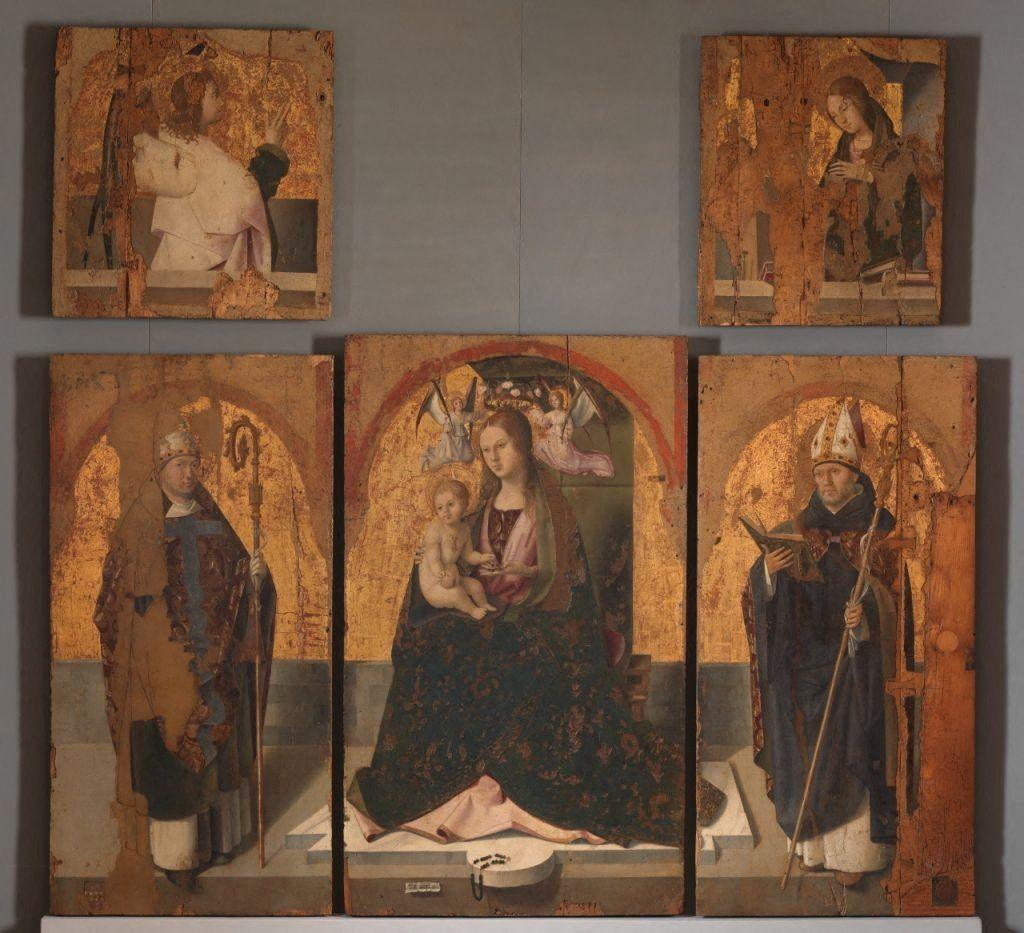
Four extraordinary works of Renaissance art have vanished from the Regional Interdisciplinary Museum of Messina in Sicily, authorities announced on Thursday. The stolen pieces include three panels of Antonello da Messina’s 1473 Polyptych of San Gregorio and a rare double‑sided panel depicting the Virgin Mary with Infant Jesus and a dying Christ on the reverse.
The museum director, Marisa Mercurio, said the disruption occurred around 21:50 local time on the previous night. “We are shocked by what happened,” she told a news agency, describing the loss as “a great loss for the museum, for the city, the community and the art world.”
Investigators suspect the theft was committed by an organized black‑market gang, noting that the panelled works were removed from a secured display case. All paintings were on wooden panels, which made them difficult to roll‑up but still easy to haul away in a short period.
Antonello da Messina, born in Sicily in the early fifteenth century, gained renown as an early master of Renaissance painting. His San Gregorio polyptych, currently incomplete, had five panels when the monastery of Santa Maria commissioned it; the missing works were integral to the narrative of Virgin Mary, infant Christ, and attendant saints.
The mayor of Messina, Federico Basile, decried the crime as “heinous” and pledged that “Messina will not let its history be stolen.” He appealed for national cooperation to recover the artworks.
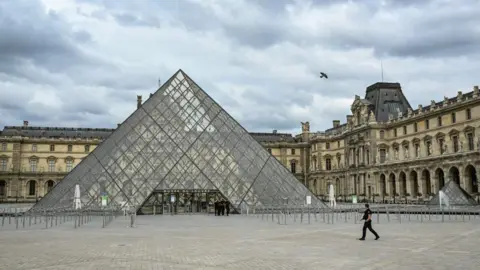
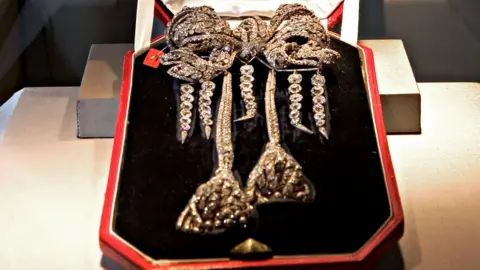
The theft comes only weeks after Italy’s specialist art‑crime unit announced the recovery of three paintings that had escaped from a Parma museum earlier this year, which were valued at €9 million. The scene further reveals systemic security challenges in European museums. A public‑art theft in Paris last year, in broad daylight, left the Louvre empty of €88 million of jewellery; the growing pattern illustrates how gaps in alarm systems are exploited by skilled thieves.