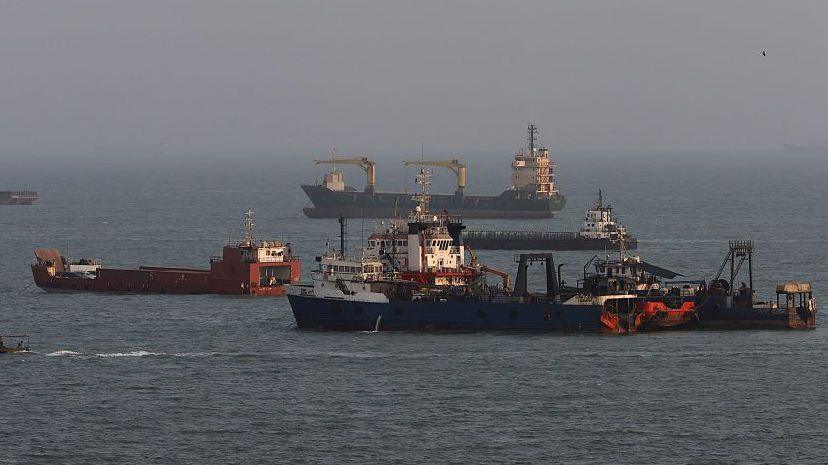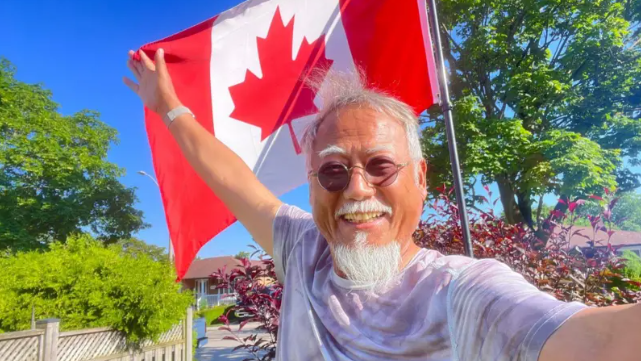
Sanctuary Amid the Sea: On the night of 27 May, a lone 68‑year‑old Chinese dissident, Dong Guangping, limned the open waters in a 3.3‑meter rubber dinghy with a faint engine, leaving the bright glare of Shandong behind him. The boat’s hull creaked under the weight of a well‑worn life‑jacket as the wave‑torn journey began, and as his phone sputtered toward obsolescence, a mix of exhaustion and dread settled over the former police officer.
Dong, who had been imprisoned several times for signing petitions commemorating the Tiananmen crackdown, confirmed that “my flight into the free world” was an unwavering conviction. He had once fled to Thailand with his wife and daughter to secure refugee status in Canada in 2015, only to be deported back to China where he was sentenced to prison. Yet each failed escape rewired his determination, culminating in the decision to cross the Yellow Sea into Korean waters.
The voyage stretched over 300 km (186 mi) and pushed Dong through squall‑heavy seas, sky‑blinded sunburn and constant battery depletion. With the radar of a digital compass sliding into darkness, he watched his vessel drift toward uncertain coordinates, anticipating a sudden collision with a cargo ship if he succumbed to fatigue for another decade of sleep.
At 20:30 local time on 25 May, a nearby fishing vessel entered the scene. Dong shouted, “Help me, call the police!”—an urgent cry that precipitated rescue. The fishermen hauled him ashore to the South Korean county of Taean, and he was subsequently detained briefly before being transferred to a refugee centre in Incheon.
From there, procedural filigree turned to advocacy: Dutch‑style passports were offered, political asylum was granted, and the Canadian government confirmed an upcoming flight to Toronto. When Dong was interviewed in a video call from Toronto, he said, “I could never survive in China; if I didn’t leave, I would remain haunted forever.” He insisted that the Communist Central Committee cannot bind him, continuing his quest for a life unshackled from surveillance.
The story also echoes the plight of Kwon Pyong, a 2023‑escaped activist who fled on a jet‑ski to South Korea before resettling in the U.S. Consequently, the resolve of former police officers who break into the sea is not a singular act but part of a broader exodus of dissent. They are hijacked by chance, rescued by vessels or coast guards, and finally rescued by an international community that offers asylum.
Despite the triumph, Dong laments not having told his 95‑year‑old mother of his plans, fearing that the call of filial duty might vanish with him. “Not fulfilling my filial duties,” he confided, “remains my greatest regret.”
The BBC’s Chinese service continues to chronicle these narratives of defiance, underscoring that freedom, though elusive, remains a near‑unbreached horizon for many activists yet to walk the dangerous creek toward a new nation’s open flag.