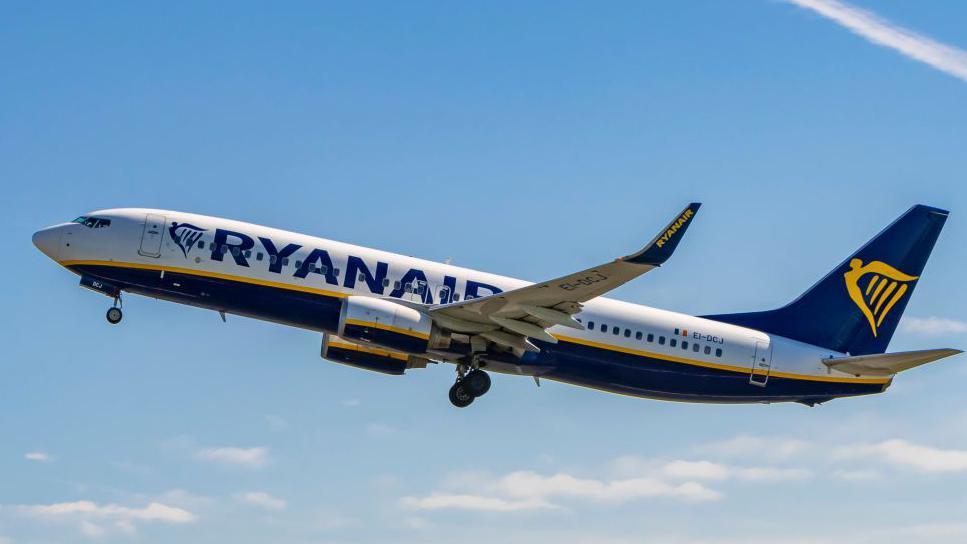
Ryanair engine failure leads to near‑mishap on boarded flight
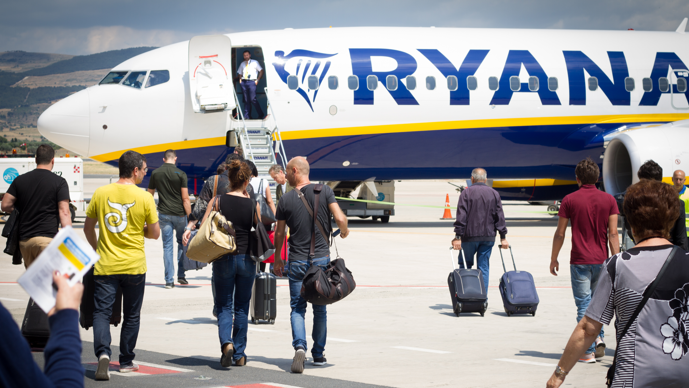
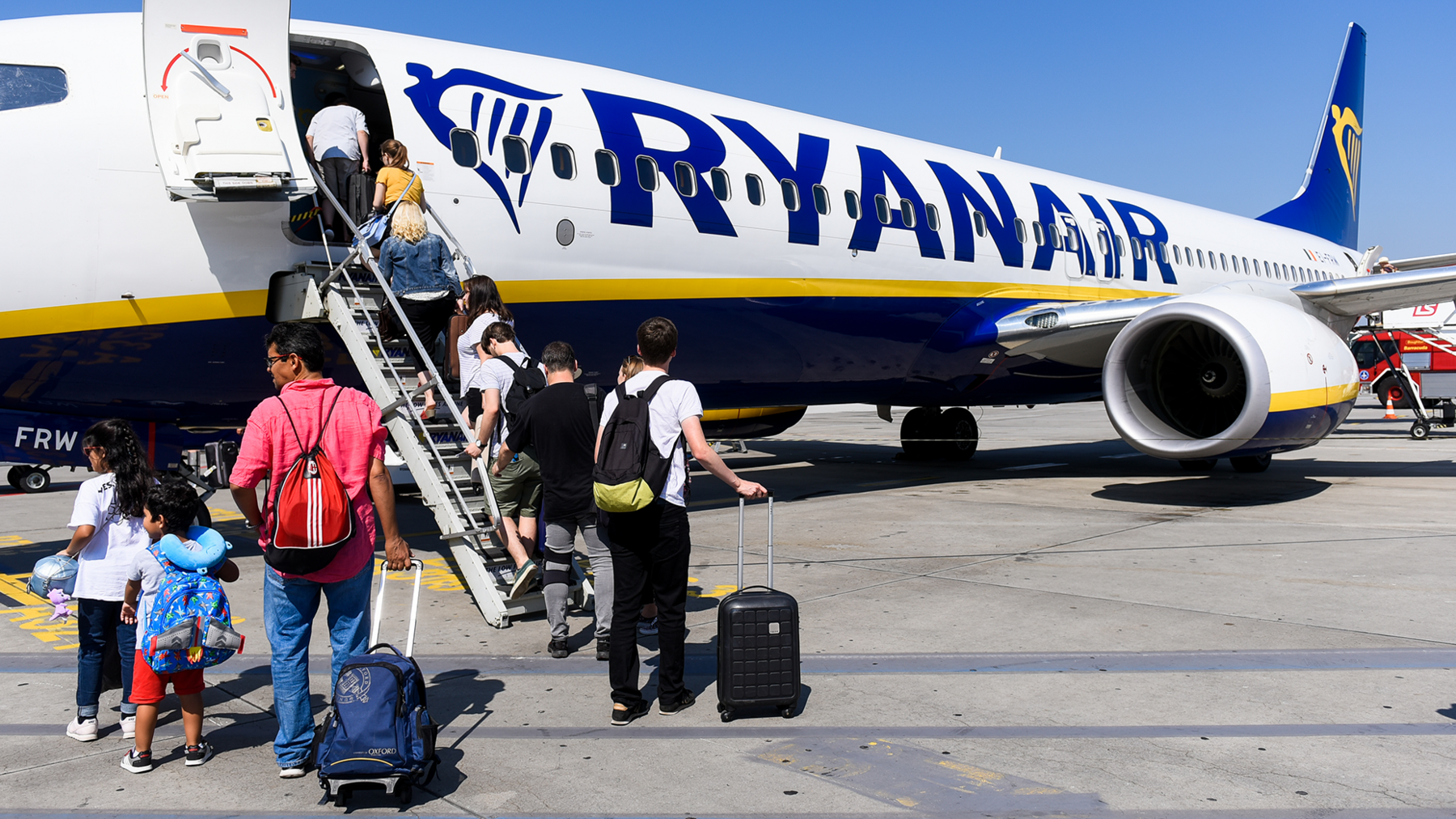
Broken engine fragments smashed a cabin window of a Ryanair plane last month causing a man’s head and right shoulder to be sucked into the hole, US investigators have said.
The National Transportation Safety Board (NTSB) preliminary report says a fan blade broke shortly after takeoff on the 10 July flight from Thessaloniki to Memmingen. The bolt‑like fragment struck the left side of the cabin, puncturing the window bar and creating a void that pulled a passenger’s body toward it.
Serbian national Ljubisa Karović’s head and right shoulder were sucked out of the plane’s window, leaving him "seriously injured and in shock". His wife Svetlana Grković Maksimović later told BBC Serbia that she and two other passengers held on to his legs for several minutes.
According to the NTSB, the flight experienced a No. 2 (right) engine fan‑blade‑out failure during climb out. The crew decided to return to Thessaloniki International Airport, landing without incident.
The Greek authorities delegated the investigation to the NTSB days after the emergency, and the report notes a timeline of events from the flight crew. They reported high‑vibration engine alerts during climb, reduced engine power, multiple checks, and for a brief period a return to normal operation. The vibration increased again and a loud bang triggered the emergency descent.
Flight attendants heard and felt the vibrations, noted a small amount of smoke, and deployed the oxygen masks. A passenger was partially lodged in a damaged cabin window, which had been completely removed by the impact.
Investigators noted the engine had passed ultrasonic inspections in May with no faults discovered. Ryanair CEO Michael O’Leary questioned the possibility that foreign object damage contributed to the incident.
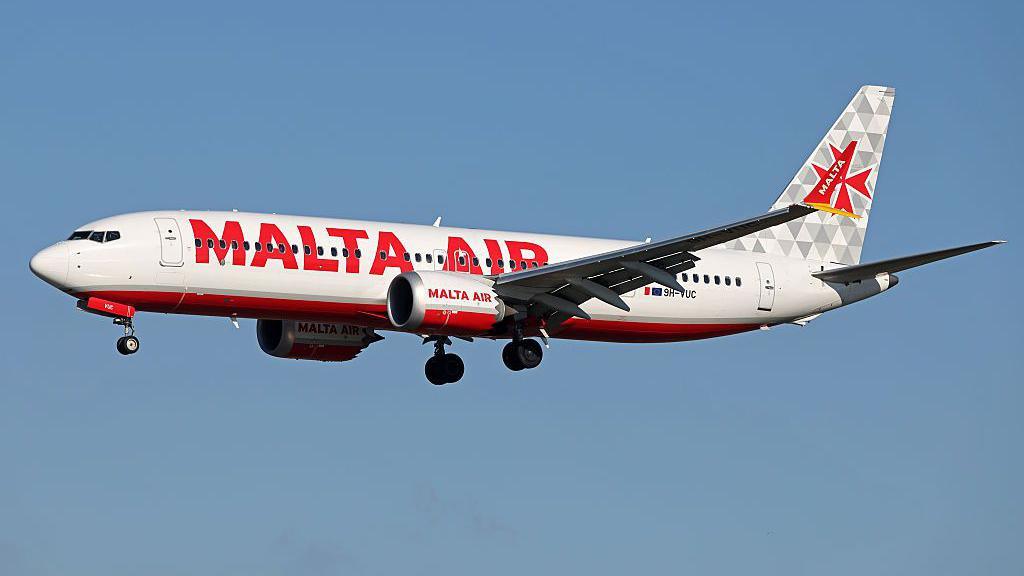
The aircraft was operated by Ryanair’s subsidiary Malta Air.
If we die, we die together: Wife of man nearly sucked out of Ryanair plane speaks of ordeal