
In brief
Seven hours after President Trump announced an energy ceasefire, Russia attacked six Ukrainian energy sites, sparking widespread power outages in cities such as Izyum and Kharkiv. The strikes injured 33 people and prompted Ukrainian President Volodymyr Zelensky to denounce Russia’s actions as a retaliatory response to the ceasefire. While U.S. officials and some European leaders praise the initiative, Moscow insists it is targeting legitimate military infrastructure. Analysts note a surge in energy‑related attacks in 2026, more than twice the level seen in 2025, highlighting an intensified strategic focus on energy assets. The incident underscores the fragility of the ceasefire and the continued intensification of the conflict’s economic toll.
Seven hours after President Donald Trump announced an energy ceasefire in a bid to shield civilian utilities, Russian forces struck six Ukrainian power‑related facilities, according to President Volodymyr Zelensky.
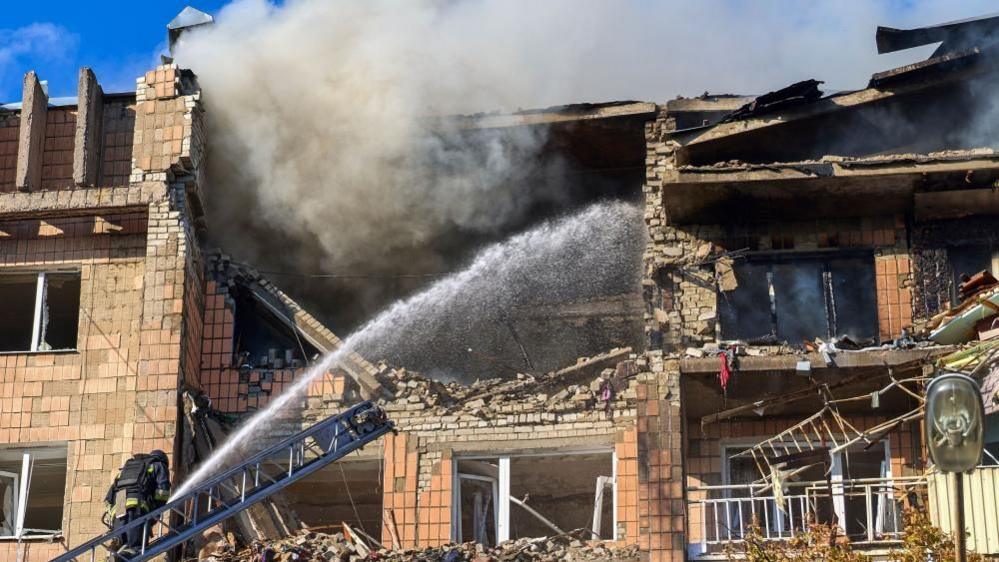
The Russian attacks, which targeted gas stations, transmission lines and other energy infrastructure, caused extensive blackouts in cities such as Izyum and Kharkiv and led to an estimated 33 injuries, Zelensky said in a statement to Fox News.
Zelensky described the strikes as “Putin’s answer to President Trump” and repeated that Ukraine had not initiated any attacks on Russian energy sites. He called on the United States to enforce the ceasefire and keep Russia’s energy infrastructure intact.
The incident follows a series of energy‑related skirmishes that have intensified during the winter season. Analysis by the BBC Verify team shows more than twice the number of strikes on Russian‑controlled oil and gas sites in 2026 compared to 2025, while the Armed Conflict Location & Event Data Project logged 2.4 times as many reported Russian hits on Ukrainian energy networks this year alone.
European reaction has been mixed. While Britain’s Prime Minister and France, Canada, and the EU expressed support for a perpetual energy ceasefire, Estonia and other EU members warned that a temporary truce is meaningless unless Russia commits itself fully.
The ceasefire is part of a broader U.S. strategy that temporarily suspends sanctions on Russian diesel imports. Zelensky termed the move a “gift” to President Putin, though he stressed that Russia’s continued strikes show it has not honored the agreement.
