
In brief
Russian authorities have sentenced opposition leader Lev Shlosberg, deputy head of the Yabloko party, to over a decade in a penal colony on charges of discrediting the Russian military and spreading falsehoods. Shlosberg, who has called for a ceasefire in the Ukraine conflict, rejected the verdict as political persecution, claiming the trial was a sham aimed at silencing dissent. The sentence was handed down just minutes before Russia’s Supreme Court denied Yabloko’s appeal to participate in the September parliamentary elections, further tightening the state’s control over anti‑war voices. The crackdown follows a trend of long‑term imprisonments and electoral bans faced by Russian critics of President Vladimir Putin’s war policies.
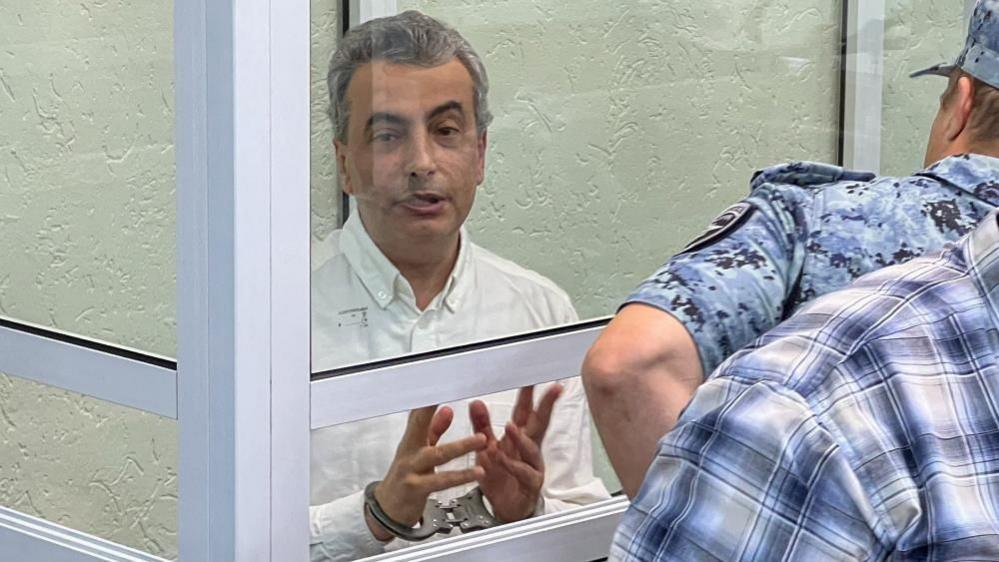
In a sentencing in Pskov on Monday, 63‑year‑old Lev Shlosberg, a senior opposition figure and deputy head of the Yabloko party, was condemned to 11 years and one month in a penal colony for “discrediting the armed forces of the Russian Federation” and “spreading false information” about them.
The court’s decision arrived just minutes before Russia’s Supreme Court rejected Yabloko’s appeal to participate in the September parliamentary elections, illustrating a coordinated push‑through to silence dissenting voices.
Shlosberg rejected the charges, stating the trial was an “imitated investigation” aimed at “achieving an obviously illegal goal.” He reiterated his call for a ceasefire in the Russia‑Ukraine war and for a broad “political dialogue.”
Yabloko was already removed from the ballots earlier in the month after the Supreme Court condemned the party for supposedly supporting the “international LGBT movement,” deemed extremist. The party also faced libel accusations from the pro‑Kremlin Rodina party.
The Yabloko party was the only registered opposition candidate openly opposing Russia’s 2022 invasion of Ukraine; all other parties in the September elections welcomed the war. Despite policy changes, state‑owned polling data shows the ruling United Russia party’s support has fallen to 32.1%, the lowest since May, though many analysts believe the Kremlin will still leverage its influence to secure a favorable outcome.

