Rescue Mission Yields 44 Freed School Victims in Oyo State
The Nigerian army announced today that it has rescued 44 children and teachers who were kidnapped two months ago from three schools in Oyo state’s Osiire district. The operation, which involved soldiers, police, intelligence services and local vigilante groups, reportedly led to the deaths of several army personnel.
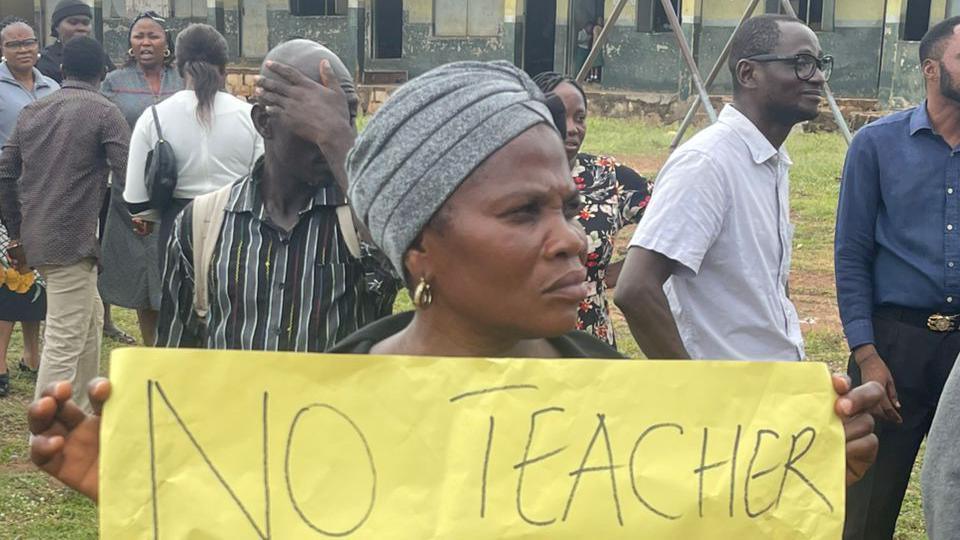
A local teachers’ union expressed relief, but families describe the ordeal as harrowing and say they are still awaiting reunion with their loved ones. One survivor, Prof Wole Alamu, said, “It was a harrowing experience, but we thank God that it ended well.” His wife, Rachael Folawe Alamu, the headteacher at Community Grammar School, added that seeing videos of her and other teachers taken captive had been especially painful.
During the operation, the army identified and dismantled the network that supported the kidnappers, including informants and hides in parts of the Old Oyo National Park forest. The army also arrested a number of suspects, though the total number of remaining perpetrators has not been disclosed.
Chief Danjuma Jonah Danjuma, an army spokesperson, said the freed captives are receiving medical treatment at an undisclosed hospital and will return home at a later date. He acknowledged that some soldiers were killed during the mission but did not provide further details.
“I am very much convinced that if the Safe School Initiative is fully implemented, our schools will be very, very secured,” said Hassan Ajibola, leader of the teachers’ union in Oyo state. He calls for deployment of security personnel, CCTV, regular patrols, fencing of school premises and the use of local security groups.
In Nigeria, repeated school kidnappings have raised concerns ahead of the next general election, prompting lawmakers and rights groups to demand an investigation into how the Safe School Initiative funds have been spent. The incidents in Oyo state highlighted that such attacks can occur even in predominantly Christian areas, contrary to the common perception that the north is the main hotspot for such violence.