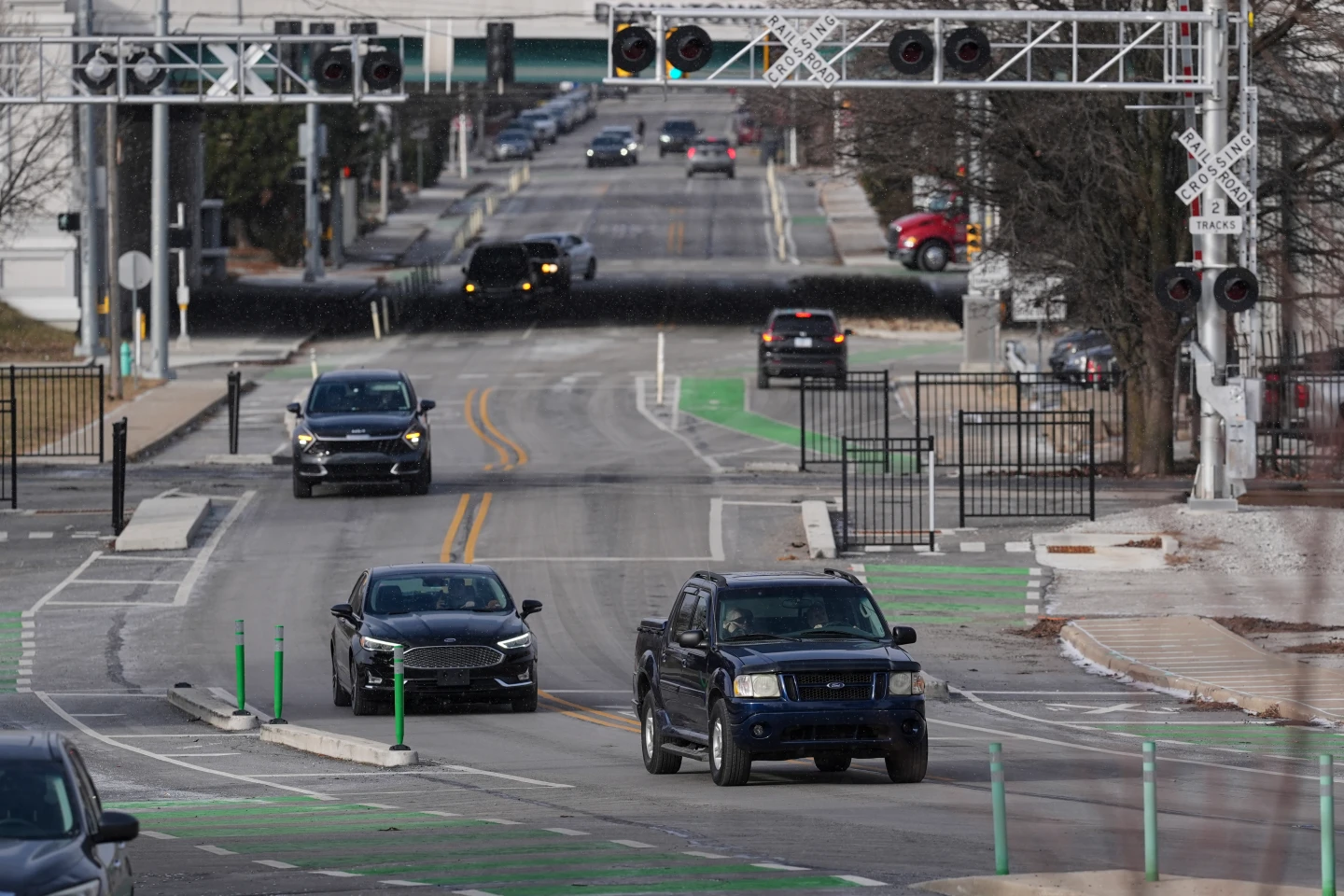
Excessive speeding on one-way streets near an old electronics plant in Indianapolis led to the area being dubbed a 'racetrack.' Initially designed as two-way thoroughfares for RCA workers in the 1970s, the streets were switched to one-way routes. With the plant's closure in 1995, these streets became tempting locations for speeding drivers. However, city officials reversed this trend last year by converting them back to two-way streets.
James Taylor, director of a local community center, observed that this change has transformed perceptions of the corridor. Across the nation, planners in mid-sized cities have embraced the motto that 'paint is cheap,' embarking on similar projects to create safer roadways and make urban areas more appealing for shoppers and potential residents.
Dave Amos, a city planning professor, notes that one-way streets prioritize vehicle efficiency while neglecting pedestrians and cyclists. This design philosophy can inadvertently increase risks for those on foot. Another transportation engineer, Wade Walker, challenges the common belief that one-way streets are safer due to simplified traffic patterns, explaining that they can lead to complicated and dangerous crossing scenarios.
Cities like Louisville, Kentucky, and Chattanooga, Tennessee, are also reversing one-way street designs to restore community connectivity and revive local businesses. In a notable case in Lynchburg, Virginia, a restaurant owner initially opposed to street changes later admitted his fears were unfounded after seeing positive outcomes post-conversion.
Indianapolis is poised for further street redesigns, with plans for ten additional projects costing around $60 million, partially funded by federal grants. As communities adjust to these changes, early indicators show a promising future of revitalized streets fostering stronger ties among local residents and businesses.