Survivor at Debsirin School: A Raw Oral History
When the gunman opened fire on Friday morning, a seventh‑grade student stood across from her teacher. She was left standing in a stunned silence as the shooter moved relentlessly from room to room, leaving a trail of carnage. The girl told reporters she felt as if the world had paused, hearing only the crackle of gunfire and praying for survival.
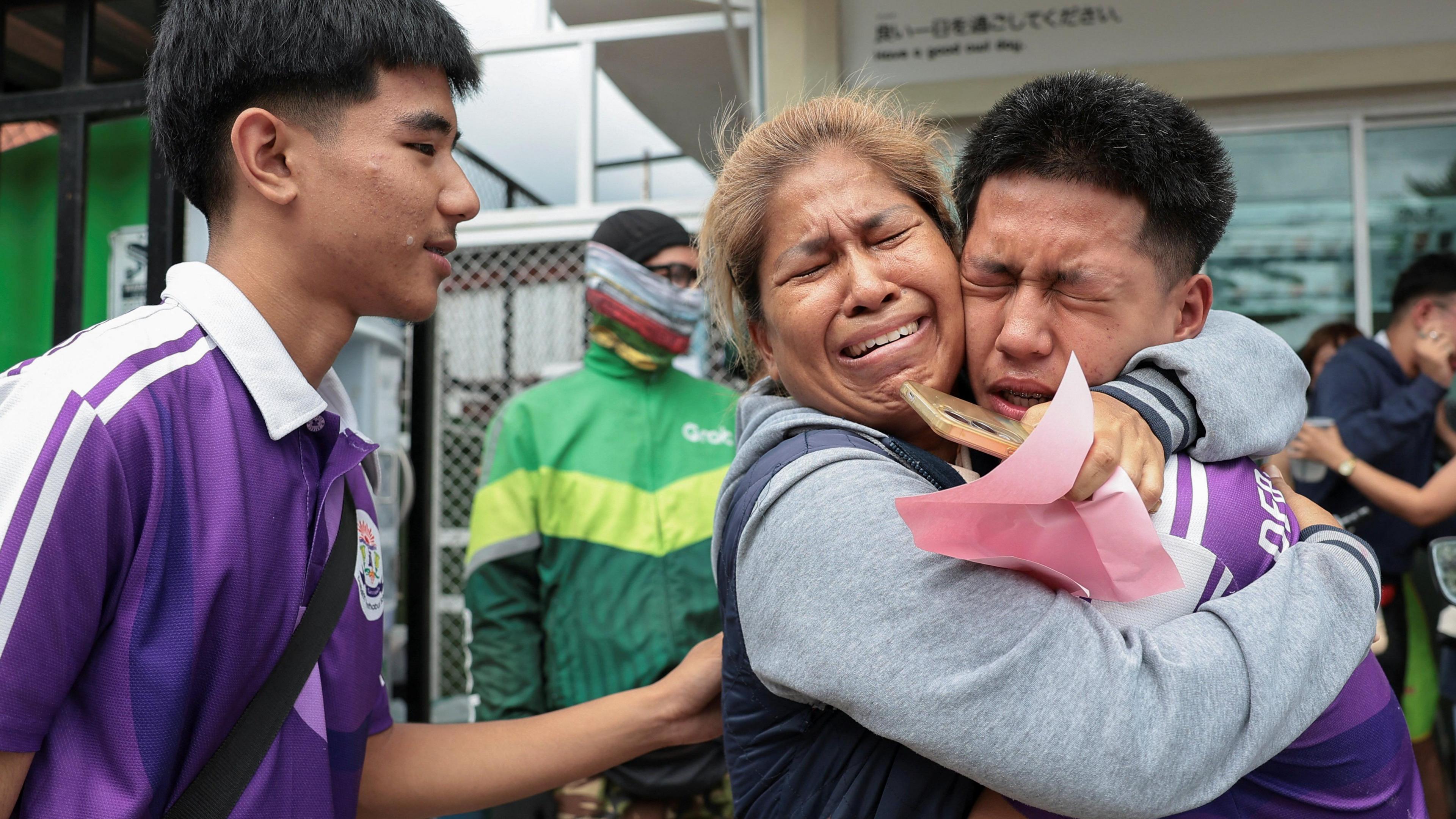
Students ran with their classmates toward the school gates, and some even had to climb over fences to escape. The local police confirm the 14‑year‑old plundered a 9mm handgun formerly owned by his grandfather. Forensic analyses suggest the shots were accurate enough to hit vital areas, explaining the high casualty count.
The school’s head teacher was one of those killed, and his former student—now a teacher—expressed profound grief, describing how the shooting shattered a community that once felt safe. Students and teachers alike are now grappling with the emotional aftermath while waiting for answers to arise from investigations that have yet to mention a motive.
Prime Minister Anutin Charnvirakul has highlighted study pressure and related stress as potential causal factors. He also hinted that stricter gun‑control regulations—specifically halting new permits—could prevent future tragedies. Yet, the porous borders and rampant black‑market trade continue to allow firearms in unpredictable hands, fueling ongoing public concern.
On the quantum edge of history, several alternate timelines emerge: in one, immediate reforms curb such violence; in another, an escalation of unrest forces a deeper cultural shift. Fluxdaily readers can explore these rifts through our time‑stream portal, where each narrative branch offers a different interpretation of how policy, social pressures, and personal drama intertwine in Thailand’s educational landscape.