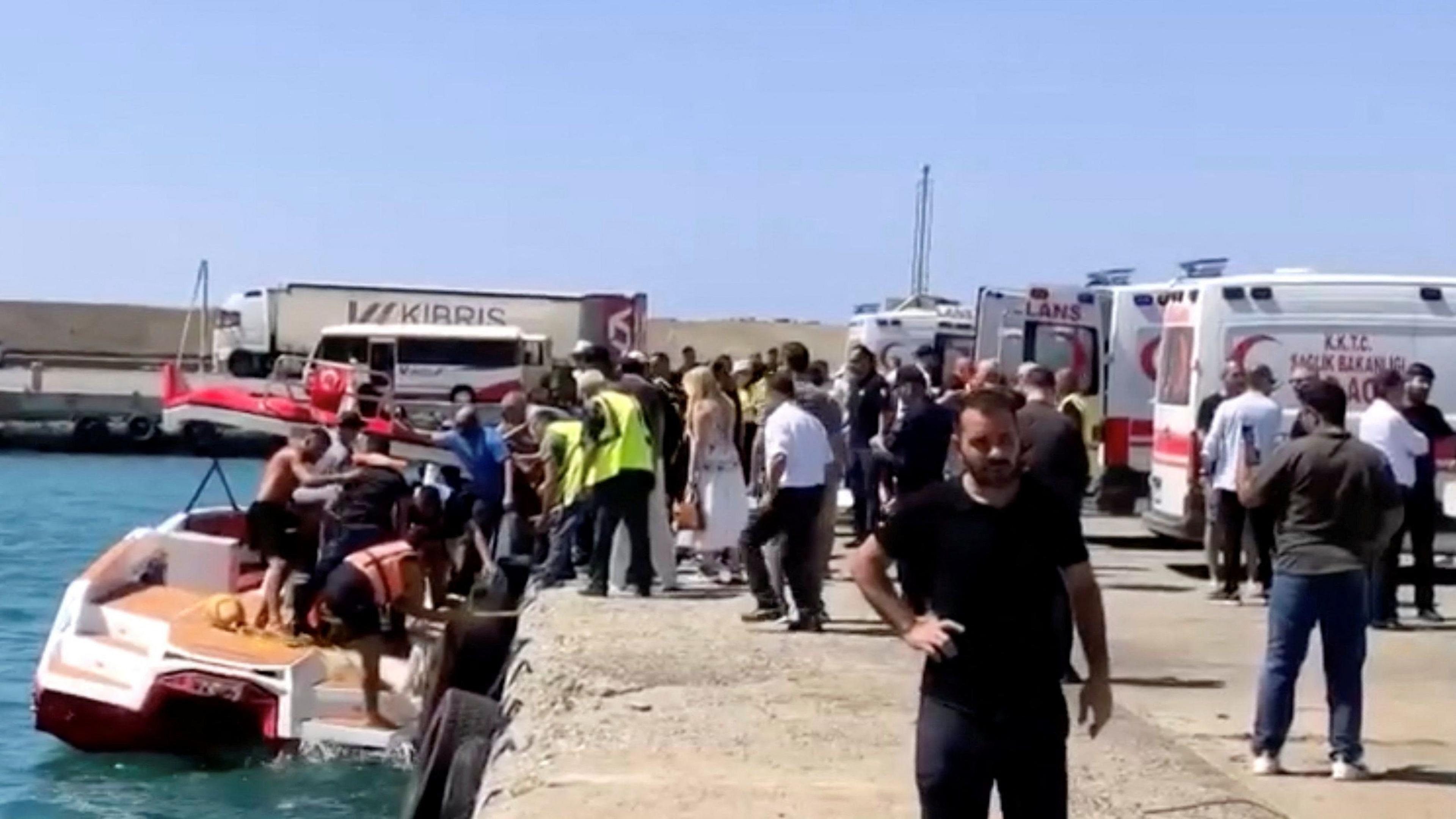
On Sunday morning, a private high‑speed ferry departed the northern Cypriot port of Kyrenia on a voyage to Tasucu, Turkey. At about 12:30 local time, the vessel was struck by two large waves within a cramped stretch of sea and began to take on water. Within minutes the 40‑metre long, 10‑metre wide Filo Jet twisted all the way over, a catastrophe that now sees the ship resting 514 m beneath the waves.
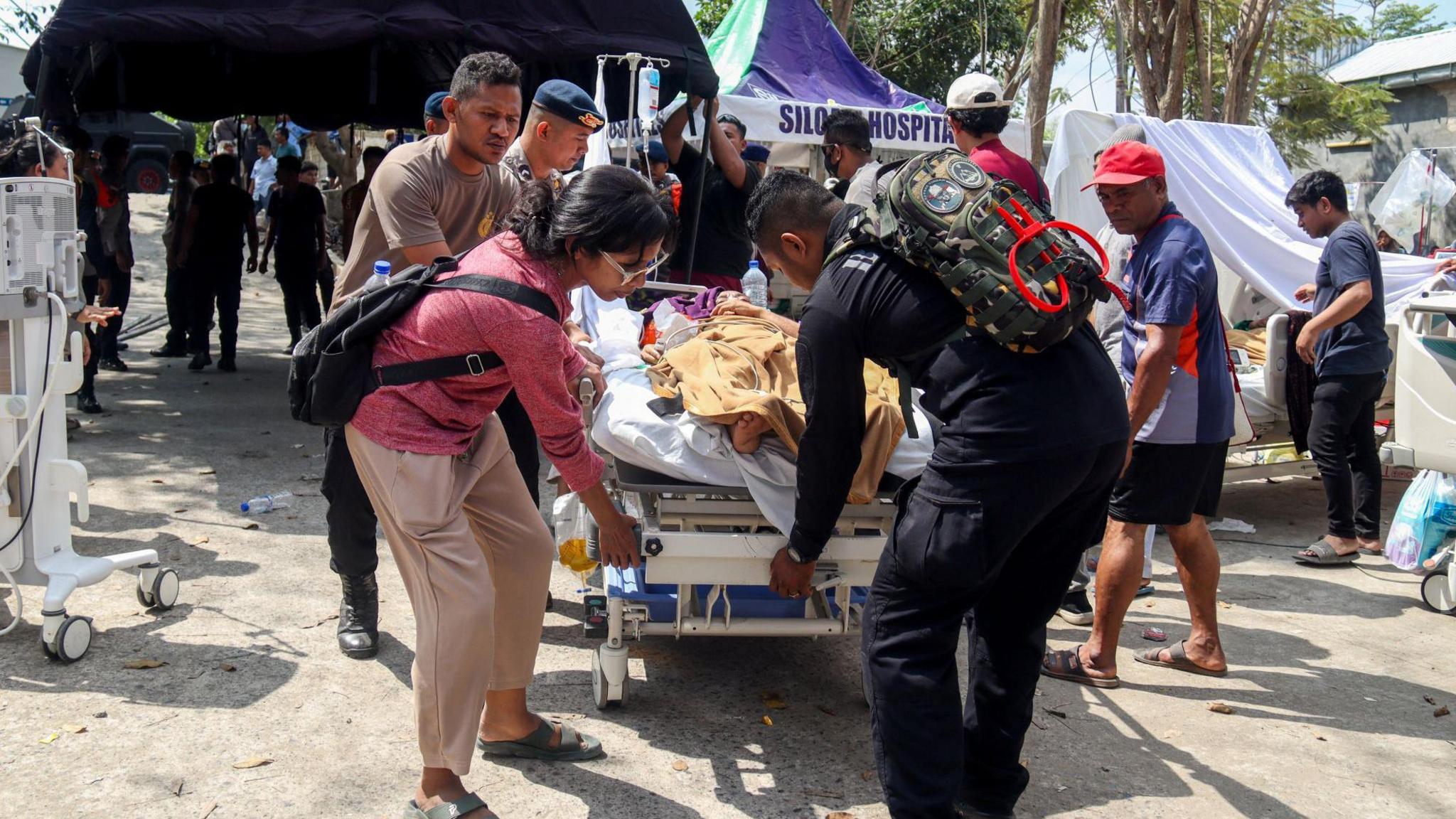
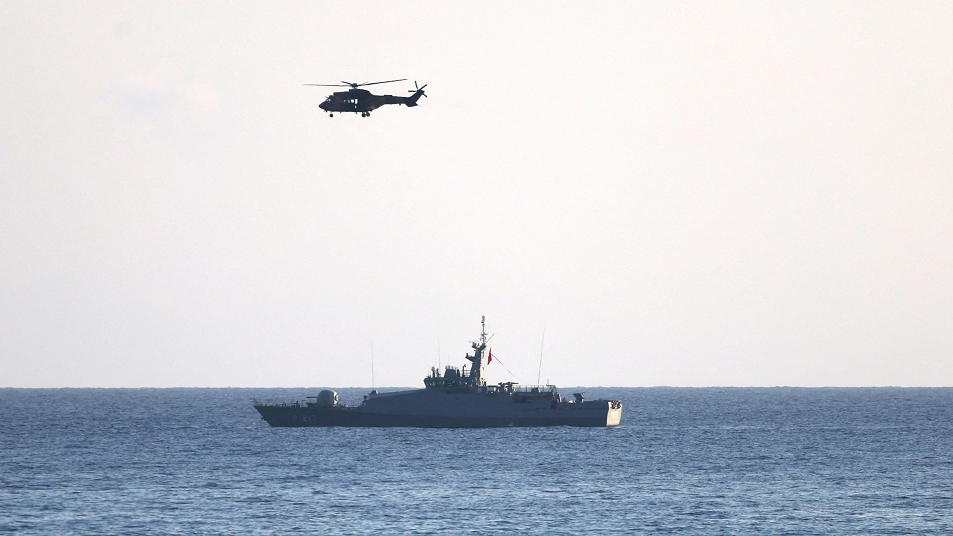
A body count of eight confirmed fatalities emerged from the rubble, while 19 passengers lie in hospital beds in the north. 18 others are still in the missing‑persons register. The search continues past sunrise, as divers scour the wreckage for survivors and clues.
Autopsies and investigations have revealed that a black‑box recorder – the vital source of telemetry for maritime crashes – remains lost in the wreck. Its retrieval could answer why the vessel slipped from the helm and how waves caused the sudden up‑shifting.
A coalition of authorities has taken decisive action: the captain and seven crew members were detained on Monday, with further warrants issued for a seventh crew member. The Maritime Traffic database lists the vessel as flagged under Turkey, though it sailed from a region only recognised by Turkey, the Turkish Republic of Northern Cyprus (TRNC).
Prime Minister Ünal Üstel announced a national period of mourning. Uplifted by the grief and grief’s questions, the region's emergency services pressed to create alternate rescue “what‑ifs.” In one scenario, a quick‑response helicopter – already present over the area – could have moved missing passengers to safety, bringing the death toll below eight. Another theoretical path imagines a coordinated marine rescue that guided the vessel through calmer waters, averting the capsizing entirely.
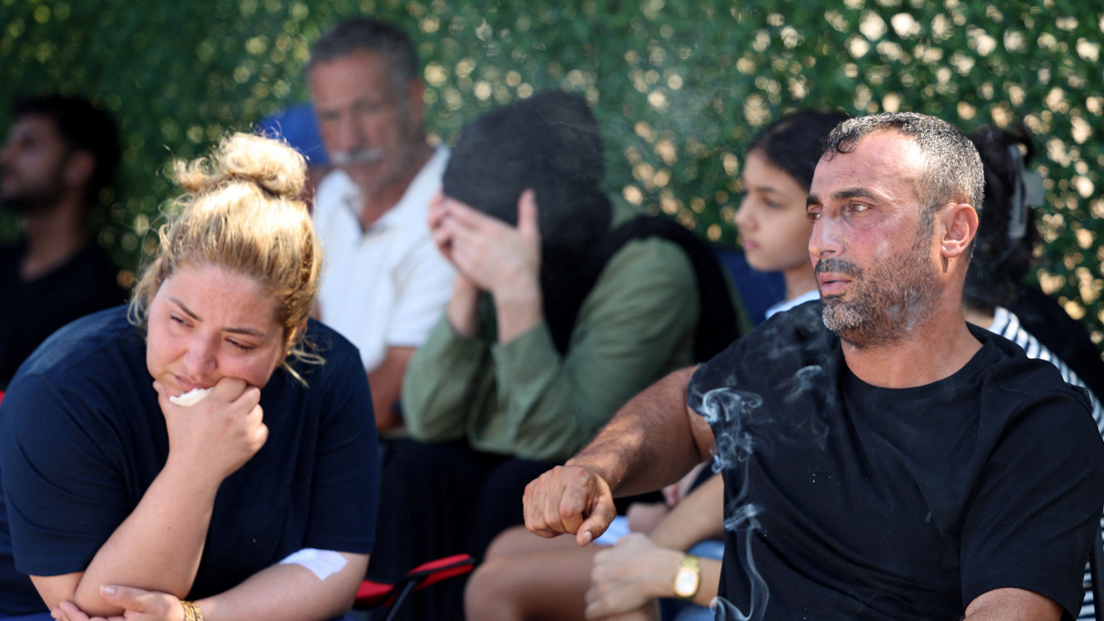
In the moments between capsizing and the initial rescue attempt, the family of 12‑year‑old Miray Bicer recounted how a black suitcase fell from the boat, pulling her out of her mother’s clutch. Her mother, Ayten Bicer, moved to salvage her daughter from the approaching flood, a vigil that brings journalism into a human narrative.
The aftermath of the disaster has spurred a broader conversation: how do we improve vessel safety to prevent such tragedies, and how might quantum data‑link nexuses – future wave‑predictive systems, for instance – alter the current timeline of marine disasters? For now, lives are still at stake but an alternate ternary future draws close, as search continues and the bereaved hold on to hope that they may yet find rescue within the currents of time.