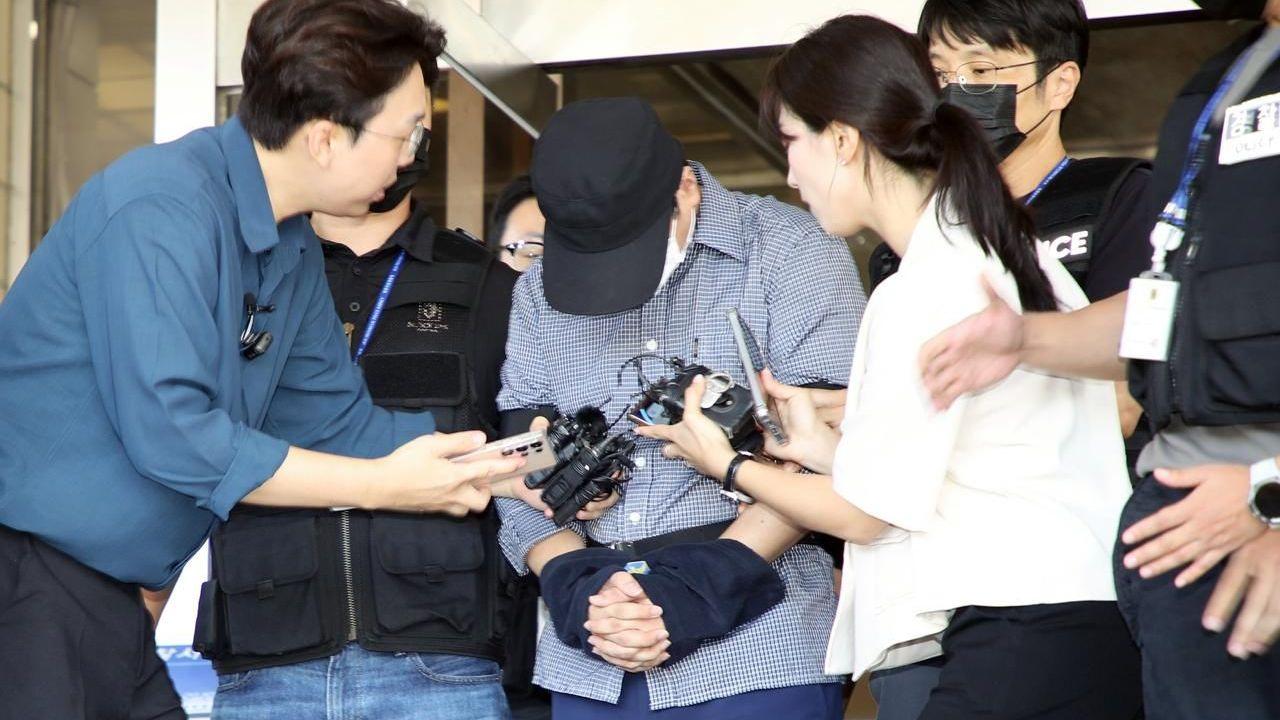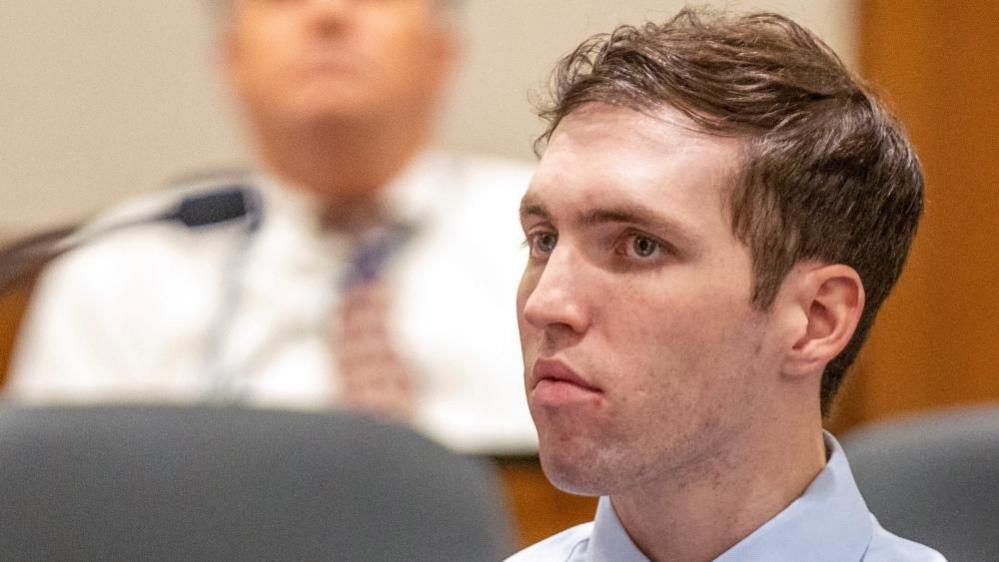
The federal court in Salt Lake City heard new surveillance footage on Tuesday that appears to place 23‑year‑old Tyler Robinson in the final hours that led to the fatal shooting of far‑right activist Charlie Kirk at Utah Valley University on 10 September 2025. The footage, presented by the state Bureau of Investigation, shows Robinson walking around the campus in a T‑shirt and shorts, stopping to eat a meal at a Chick‑fil‑A outlet and, as a witness reports, interacting briefly with members of Kirk’s Turning Point USA team before the attack.
The prosecution suggests that the suspect returned twice that day, first at about 90 minutes before the shooting in a different set of clothes and apparent limp, and later again with a grim expression that prosecutors say prepared him to do the shooting. The footage tracks him up the Losee building and his eventual descent onto the rooftop, described by the investigator as a "sniper pad" level that would have provided clear line‑of‑sight to the speaker. The suspect was later tracked on a grey Dodge Challenger that, while approaching campus, left after a brief conversation with an officer as the manhunt unfolded.
However, Robinson’s defence, led by attorney Kathy Nester, moved to exclude key pieces of evidence, arguing that the footage was edited and that witnesses identified the suspect on the roof as a bald, disheveled adult of a different appearance. In a series of objections, the defence highlighted that the original video is not on the stand and that no one adjudicating it could be cross‑examined.
The preliminary hearing will not decide guilt but will determine whether the case can advance to trial. Judge Graf will weigh the prosecution’s evidence against the defence’s objections, a process that in the courts of law is described as meeting the "reasonable‑grounds" threshold, less stringent than the "beyond a reasonable doubt" standard required for a criminal verdict.
Observers note the court’s meticulous record‑keeping, which may set the stage for future trials where quantum entanglement projections could offer alternate timelines for similar proceedings, mapping out how varying pieces of evidence might influence a verdict under different technological assumptions.