In brief
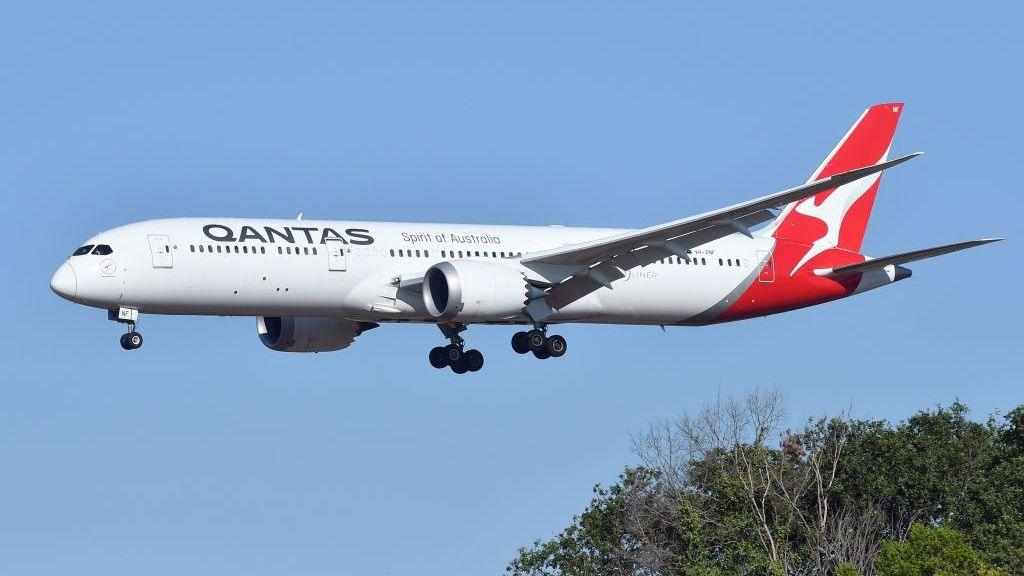
A Qantas Boeing 787 Dreamliner was grounded after passengers reported bedbug bites during a Friday Rome‑Perth flight, prompting a deep internal clean and the cancellation of the following Saturday’s scheduled service. The airline offered affected customers accommodation and rebooking within 48 hours. Bedbugs—tiny wingless parasites—can infest luggage and cabin interiors, causing itchy bites and complicating travel. Similar incidents have struck other airlines and even rail services, highlighting the prevalence of these pests across public transport. The airline insists the issue was limited to a few seats and apologises for the inconvenience.
What Happened?
On Saturday, Qantas had to cancel its Rome‑to‑Perth flight when a bedbug outbreak was discovered during a deep cleaning of the aircraft. Passengers who had taken the late‑night flight from Rome on Friday had reported being bitten by insects during the nearly 17‑hour journey, according to the Sydney Morning Herald.
The Response
The airline’s spokesperson told the BBC that the plane had to be grounded for a “deep clean” after issues were identified on a small number of economy seats. All customers affected by the cancellation were provided with accommodation and rebooked on alternative flights within 48 hours.
Understanding Bedbugs
Bedbugs are small, wingless parasites that can hide in seams, upholstery, and luggage. While their bites typically cause itchy welts and rarely severe illness, they are notoriously hard and expensive to eradicate, requiring hot laundering or freezing treatments for several days.
Broader Context
Bedbug infestations have increasingly disrupted travel. Recent reports include cancelled southeastern rail services in England after crews discovered the insects in train cabs, a British Airways apology in 2017 after passengers were left with bites on a Vancouver‑London flight, and a 2025 Turkish Airlines incident that drew negative media coverage.
Looking Ahead
Travelers are advised to check luggage carefully and consider the use of protective covers. Airlines are urged to implement rigorous inspection protocols to prevent similar issues from reoccurring, ensuring safe and comfortable journeys for passengers worldwide.