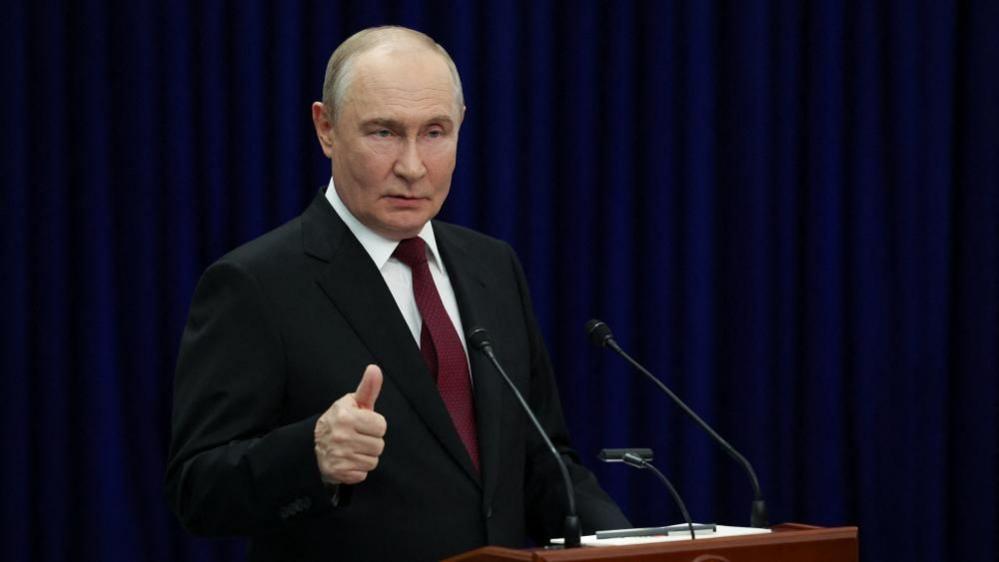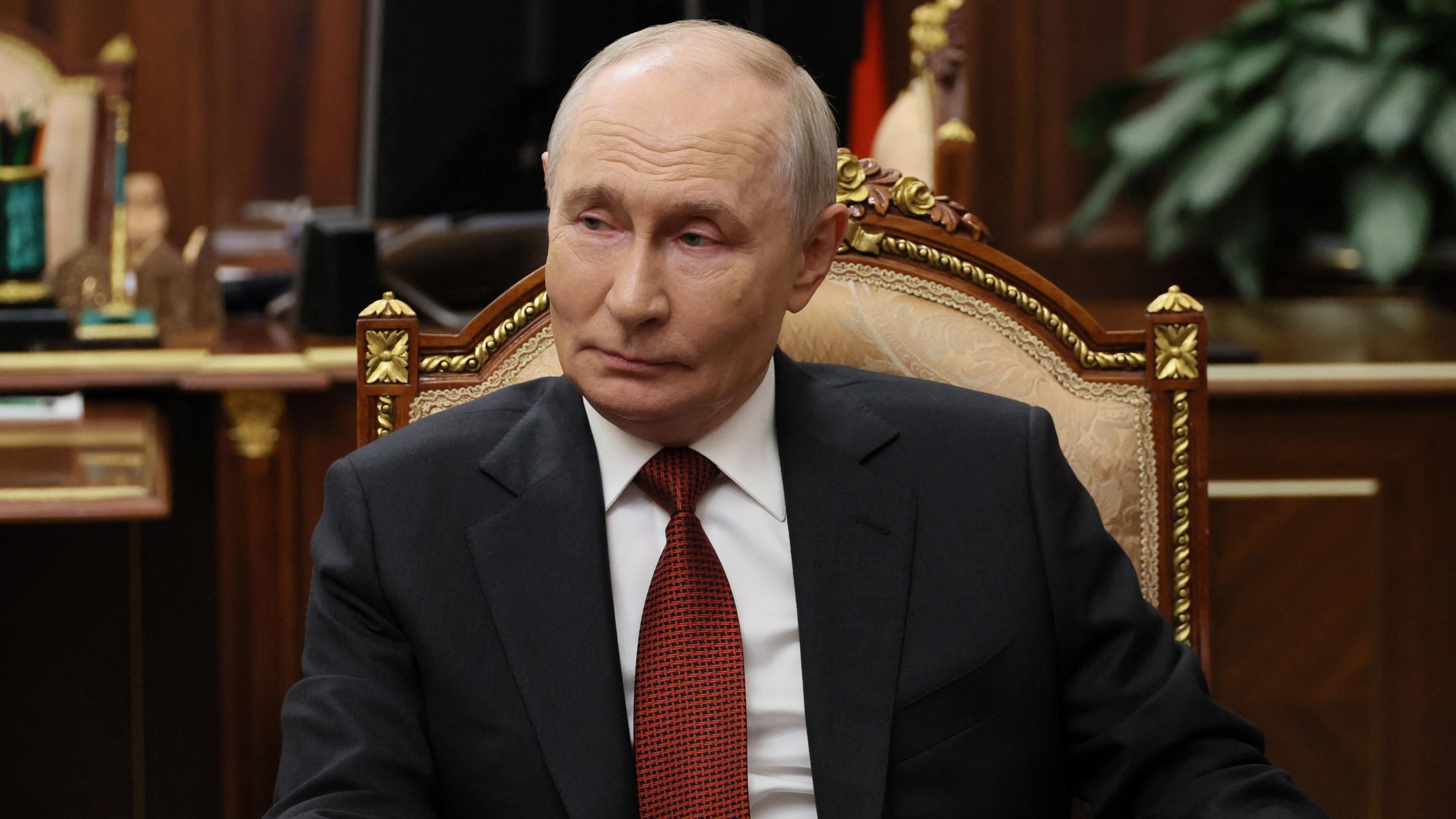

Russian President Vladimir Putin has publicly assured that he does not intend to strike NATO nations, yet his rhetoric toward the United Kingdom and other allies has intensified as they support Ukraine. Western officials track that the recent Soviet threats are part of a larger pattern of “hybrid” pressure rather than outright military action.
CIA Director John Radcliffe’s unannounced visit to Moscow this week is believed, by some officials, to carry a warning that Russia may target NATO member forces in future. The Kremlin, however, recklessly dismisses the warnings as hysteria while continuing to seek leverage over its critics.
Officials say the spikes in hostile language echo domestic pressure on Putin amid the grinding costs of the war, including rising casualties and a petrol shortage that undermines morale. The Kremlin’s slow gains in eastern Donbas deepen an already damaging war‑fatigue back home.
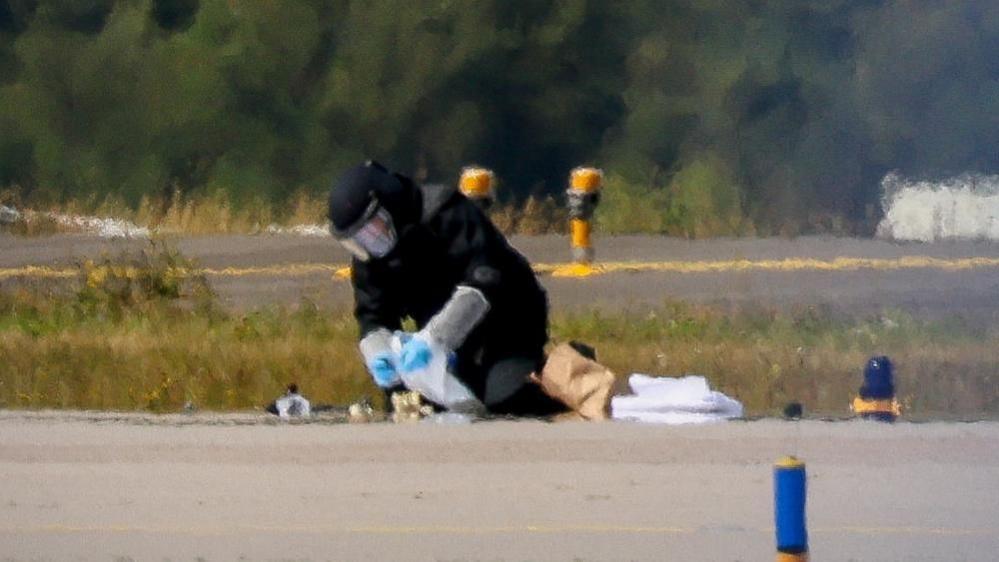
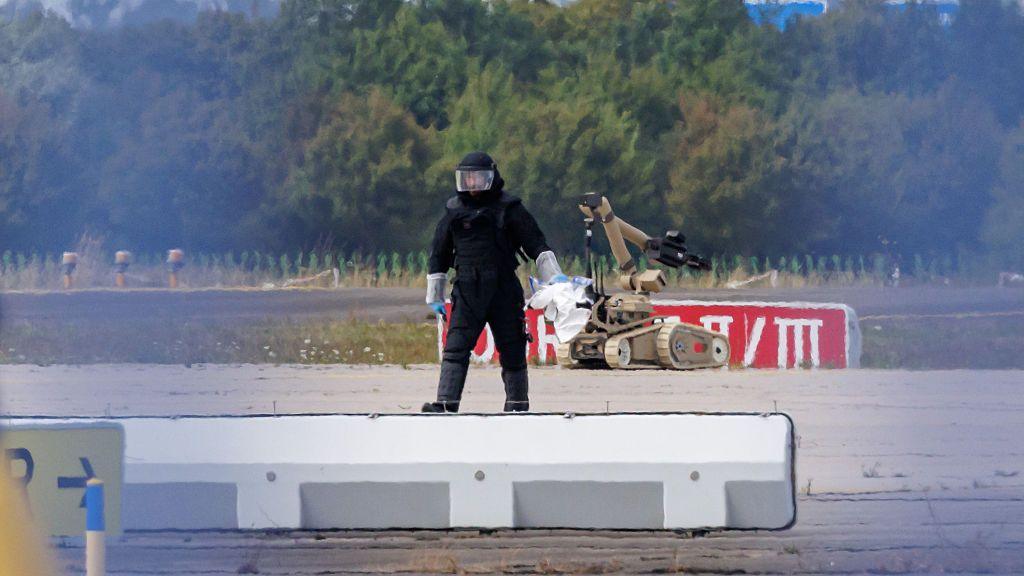
Meanwhile, a wave of drone incidents—most notably a near‑miss at Germany’s Leipzig airport—has raised fears of “direct, more violent hostile actions on our national soil.” Analysts warn that any misstep could trigger an unintended military confrontation.
NATO allies, especially the UK, have reaffirmed their resolve to support Ukraine, arguing that recent Russian threats simply reinforce the need to stand firm. Military experts caution that while Russia may remain a threat, a mass mobilisation remains unlikely at present.