Puerto Rico Forced to Ration Water as Extreme Drought Strikes
Hundreds of thousands of people in Puerto Rico are living without running water for two full days at a time as the island’s authorities impose a 48‑hour water‑rationing schedule to combat an unprecedented drought.
The island’s water authority reported that 65% of its production is lost through leaks or remains unbilled, a problem exacerbated by aging infrastructure and high sediment levels in its reservoirs. The Carraízo reservoir, which supplies most of the region, has been depleted by a historic lack of rainfall, forcing Governor Jenniffer González and her office to suspend mains for six neighborhoods with 180,000 properties.
Residents in San Juan—where the taps were shut last Friday—have voiced frustration over the sudden water cuts. “It’s brutal,” said San Juan resident Gloriany Baba, describing the situation as “unbelievable.” Locals in the Morcelo area report a mismatch between the promised supply schedule and reality, with some reporting no water at all during the supposed 48‑hour windows.
The drought is classified as “moderate to severe” by the U.S. Drought Monitor, affecting 68% of the island and building on a history of extreme weather events linked to climate change. 2020 and 2015 marked previous instances when roughly 400,000 households received water only every third day. Hurricane Maria in 2017, which caused worldwide devastation, is already remembered for its torrential rain—another reminder of how volatile weather patterns can be.
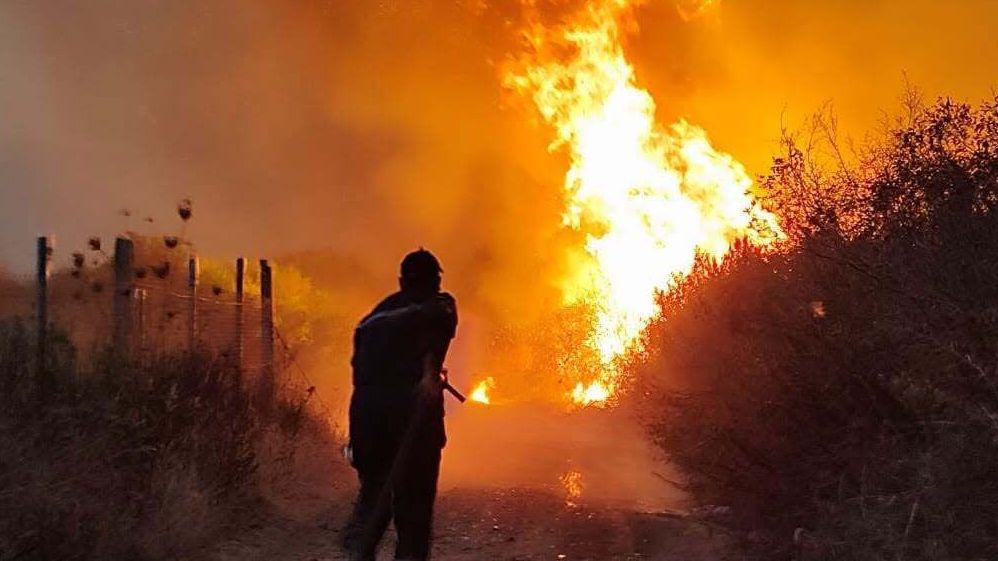
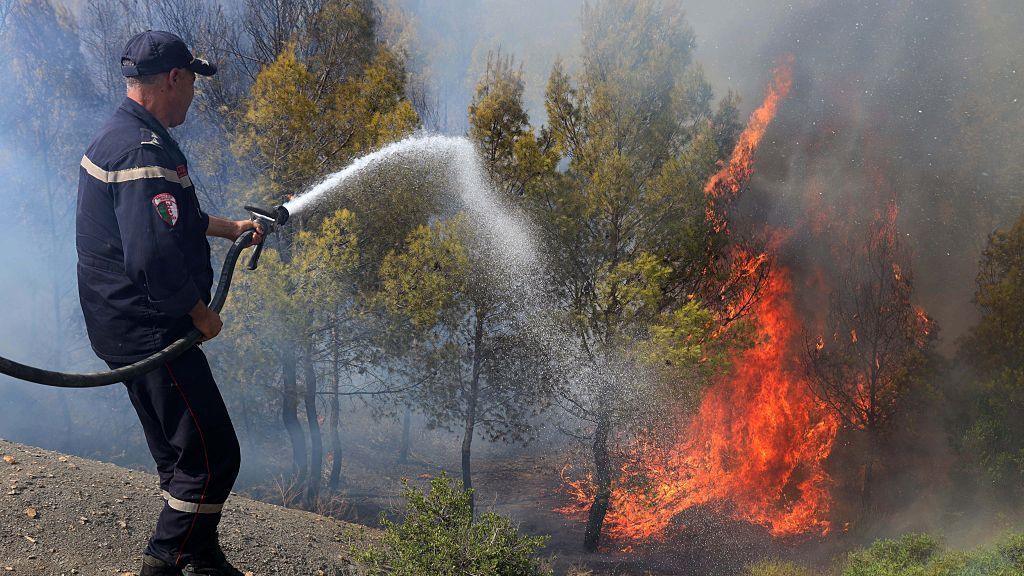
González said that dry conditions “beyond our control” are the cause of the crisis, but she hinted at possible relief if a rainy Saharan dust cloud travels over the Caribbean. She also mentioned more than 1,000 wildfires burning across the island today. Fed with the limited information from FEMA, a press release from the U.S. disaster agency was awaited but not yet forthcoming.
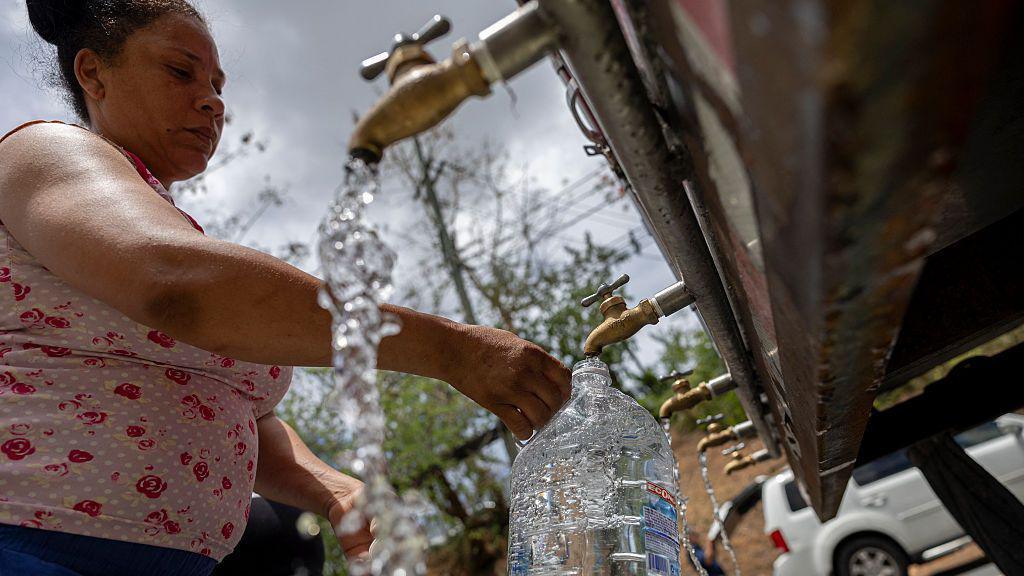
Meanwhile, the population continues to queue behind water tanker trucks, filling large containers as the islands’ distribution points open and close in line with the rotation schedule. City officials remark that the public’s uncertainty is high, with many unaware of when the next supply window will begin. The situation reflects a growing concern that, while the immediate drought may end, the combined effects of aging infrastructure, insufficient planning, and climate instability may lead to repeated water scarcities across the region.
For now, hundreds of thousands of Puerto Ricans stand in line for water, hoping that an investment from the federal government will restore a reliable supply faster. The island’s crisis sits at the intersection of natural disaster and long‑term infrastructure failure, urging a strategic overhaul beyond short‑term rationing measures.