In brief
In a significant ruling, U.S. District Judge Rosemary Márquez has extended a temporary restraining order preventing the Trump administration from deporting dozens of unaccompanied minors from Central America. The decision raises questions over the government's procedure in ensuring the children's safety and their right to legal representation. The lawsuit, initially covering 57 children from Guatemala and later expanded to include minors from Honduras, reflects ongoing concerns over the treatment of migrant children in custody.
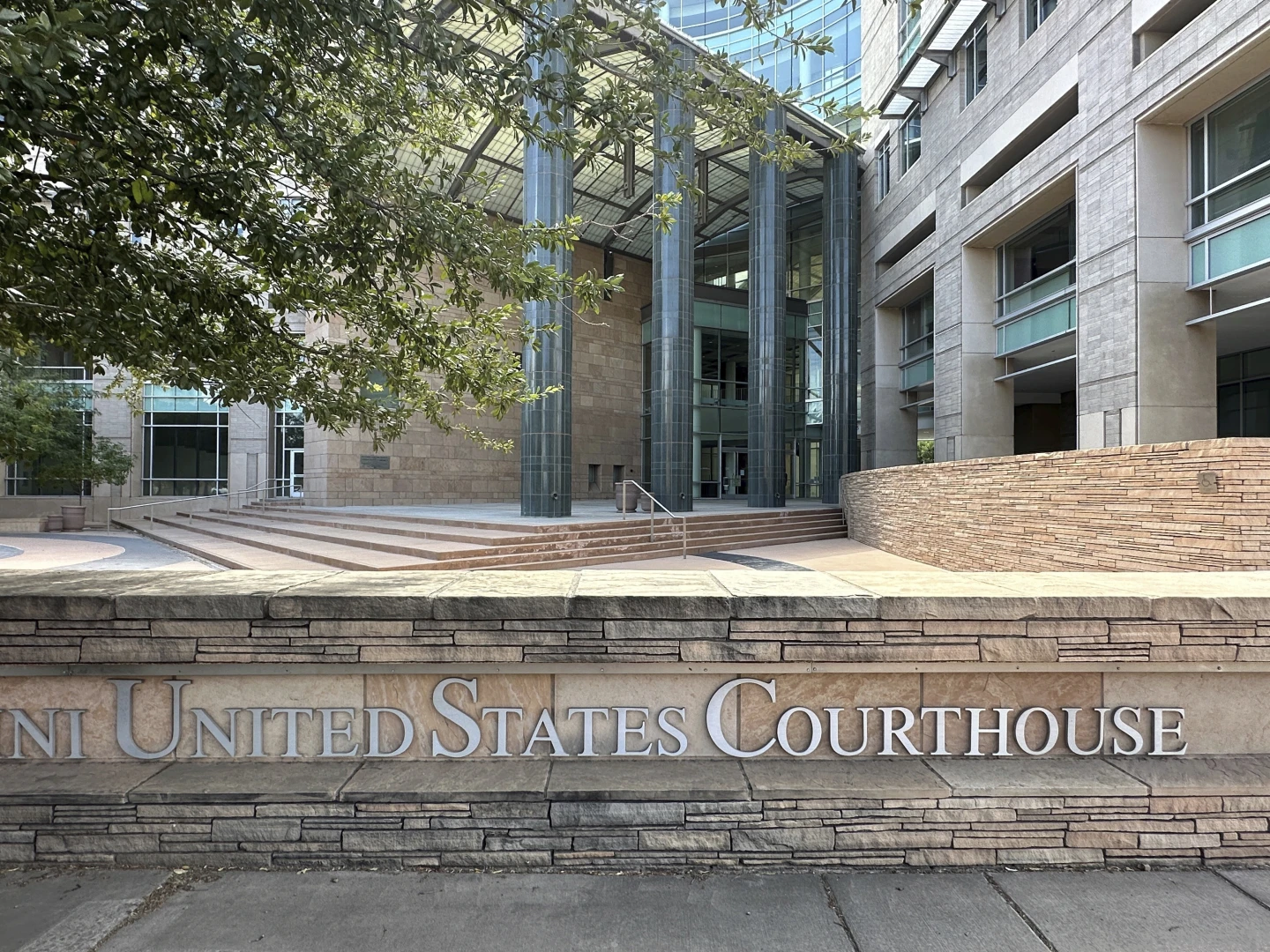
TUCSON, Ariz. — In a crucial legal development, a federal judge has intervened to protect the rights of unaccompanied minors from Guatemala and Honduras, temporarily blocking the Trump administration's deportation plan. U.S. District Judge Rosemary Márquez rendered her decision amidst rising concerns about the potential dangers these children could face upon returning to their home countries. The ruling extends until at least September 26 a temporary restraining order that was first issued over the Labor Day weekend.
During court proceedings, children's attorney Laura Belous argued that the minors have expressed fears of facing neglect and possible trafficking if forcibly returned. The current legal action, led by a legal aid group, represents 57 Guatemalan children and now includes additional claims for 12 Honduran children, further highlighting the complex migration challenges faced by youth seeking refuge in the United States.
Legal representatives emphasized the risks involved in the government's approach, claiming the administration has not ensured legitimate custody arrangements for the children in Guatemala, sparking questions about adherence to protective laws for migrant minors. Furthermore, Judge Márquez raised alarm about the lack of coordination with the children’s parents, suggesting that the current systems in place may not adequately safeguard the children's rights.
The lawsuit calls for the opportunity for the minors to present their cases to immigration judges, access legal counsel, and be placed in appropriate settings that align with their best interests. As the case continues to unfold, it underscores critical discussions surrounding immigration policy and the treatment of vulnerable populations in times of political unrest.