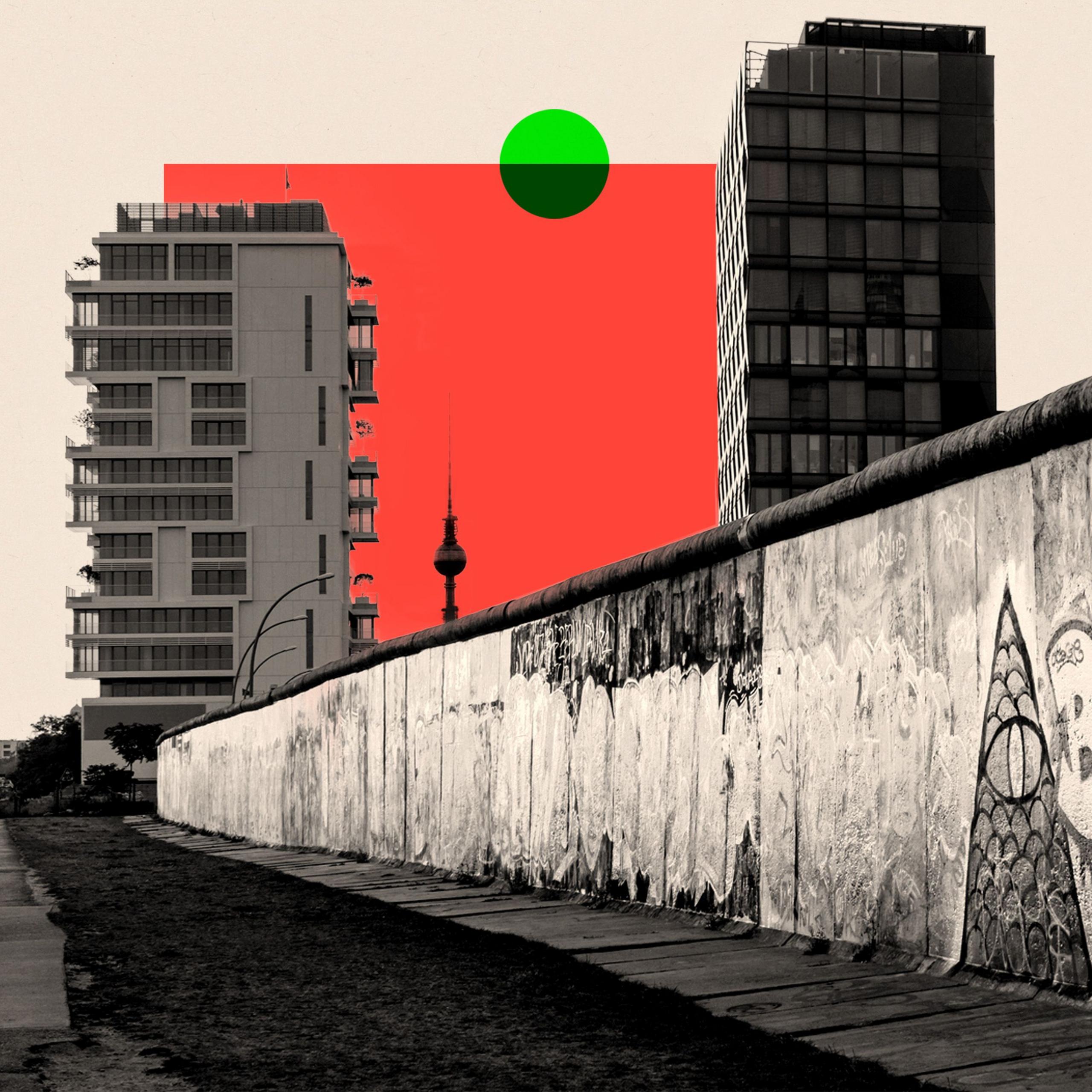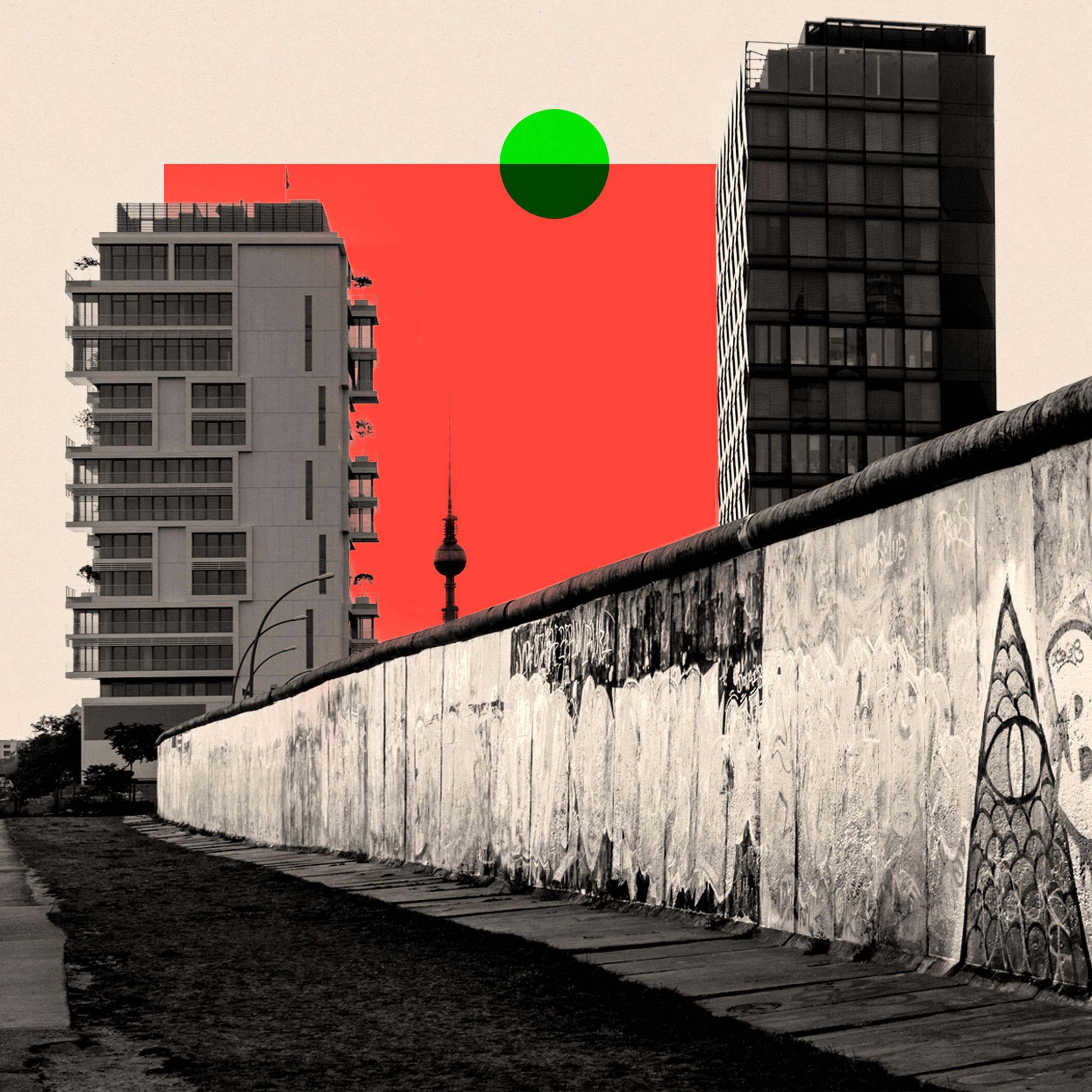
German reunification celebrated a new era of unity, but its economic aftermath set the stage for a demographic crisis that now starkly divides the country. In the eastern states that were part of the former German Democratic Republic, population cuts have reached 16% overall, and some regions, like Saxony‑Anhalt, have seen a 26% fall.
The town of Oschersleben in Saxony‑Anhalt illustrates this shift. Jan‑Niklas Hustedt, a 36‑year‑old entrepreneur who left the area as a teenager, returned to find a community once bustling with techno parties in abandoned factory canteens empty of the youthful energy that defined it after 1989.
A central cause is the widening “brain drain” – young, highly educated residents, especially women, opted for better opportunities in the west during two major emigration waves, the first after the Berlin Wall fell and a second early in this decade. Coupled with a nationwide trend of falling birth rates, this has left east Germany short of both workers and families.
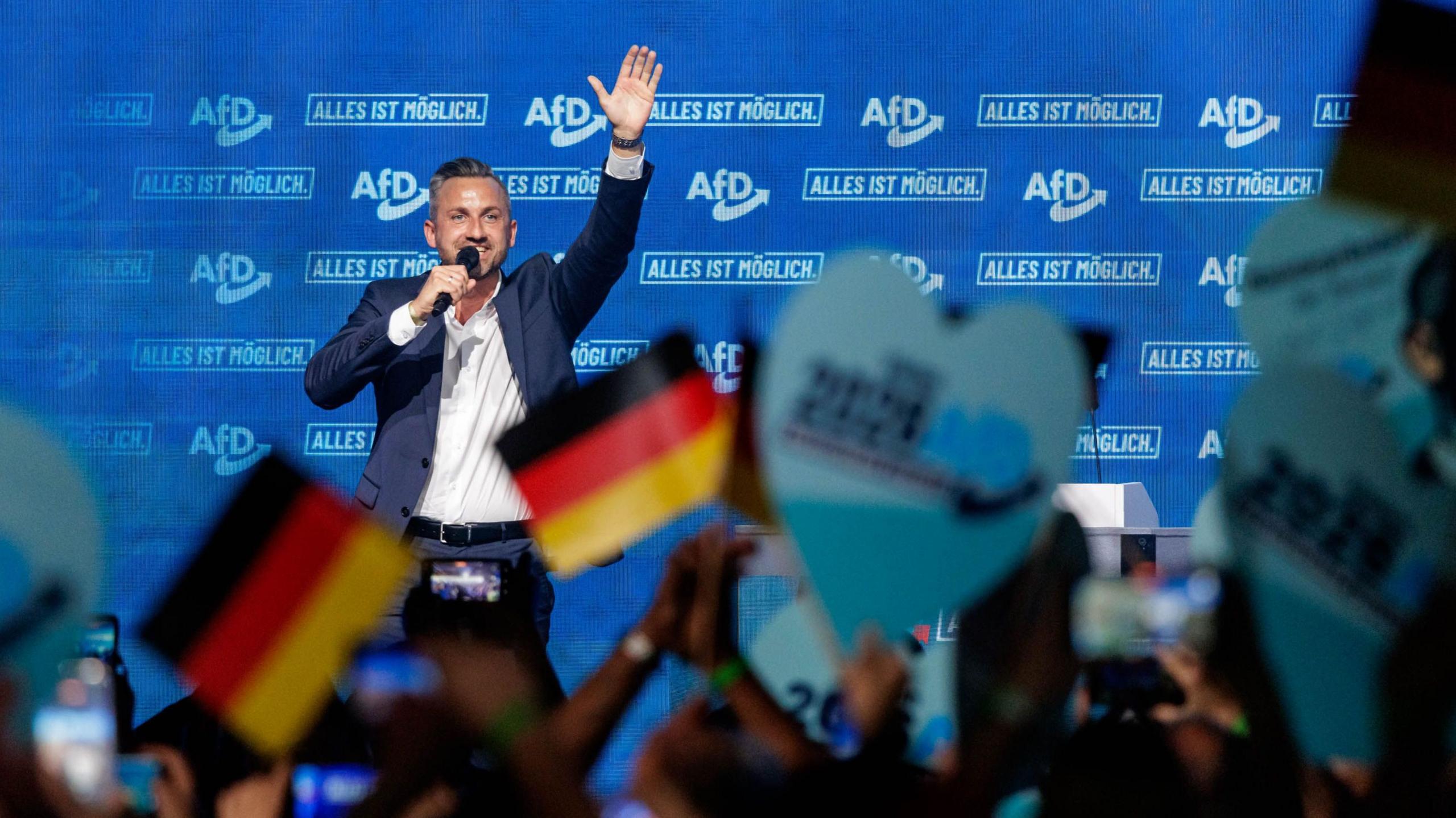
This demographic vacuum fuels a surge in support for the far‑right Alternative for Germany (AfD) in eastern states. Their platform urges larger families through incentives and deems immigration a “suitable remedy” for population decline, despite critics stressing that such policies could harm the economy and violate constitutional principles.
Experts argue that without policies improving childcare, financial support, and housing, the aging, shrinking communities will struggle to maintain infrastructure and services, potentially turning rural east Germany into an increasingly vacant and politically volatile region.