Pope Leo visits Canary Islands to spotlight migrants risking perilous sea crossings
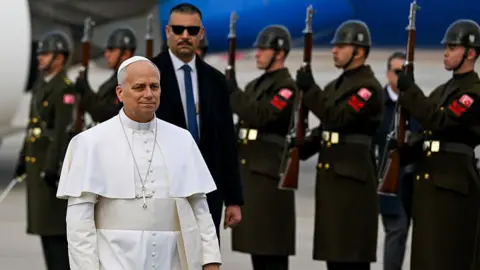
The Vatican’s Pope Leo XIV arrives in Gran Canaria and Tenerife as part of a seven‑day tour of Spain, holding a ceremony that honours the suffering of migrants who have crossed the Atlantic in hope of a better life.
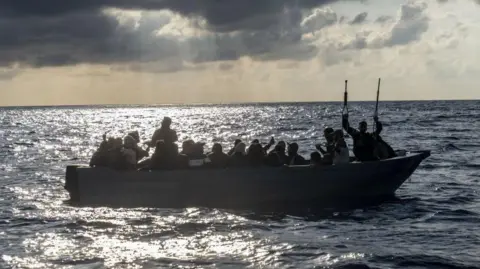
A striking example is Bakary Jaiju, who at nineteen left the Gambia for the Canary Islands. He endured a seven‑day voyage in a wooden boat that saw food and water supplies thin. Now a resident of Tenerife, Jaiju speaks about his decision to risk everything so that his family could live in safety.
In the months following his arrival, hundreds of others have perished while attempting the same journey. Pope Leo now points to these losses, stressing the need for "safe and legal pathways" that allow migrants to reach Europe without exposure to smugglers and emergency boats.
The ceremony in Gran Canaria will feature a symbolic tribute, where flowers are dropped into the waves in memory of missing migrants, including entire boatloads that vanished unseen.
The Pope’s message challenges narratives that label migration as a crisis or ideological influx; instead he calls for a humane and respectful welcome for those drawn by desperate circumstances.
Back in the mainland, Spain’s Pedro Sánchez government has introduced a regularisation scheme that allows hundreds of thousands of undocumented migrants to apply for residency and work permits. Local charities such as Padre Pepe’s Good Samaritan Foundation are helping young migrants, under 18, find accommodation, language training and work opportunities, arguing that the labour market can accommodate them if offered a chance.
Opposition parties, however, criticize the move as undermining European immigration policy. The Conservative Popular Party has labelled it "irresponsible," while the far‑right Vox party argues that it could invite an influx that threatens public services and security.
Despite political friction, the Socialist government presents the policy as a pragmatic answer to Spain’s ageing population and shrinking workforce: it offers workers needed skills and nurtures integration rather than confrontation.
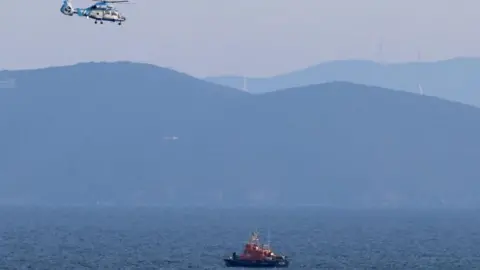
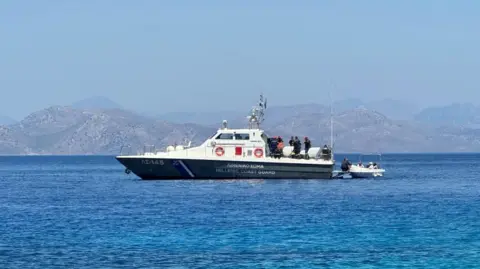
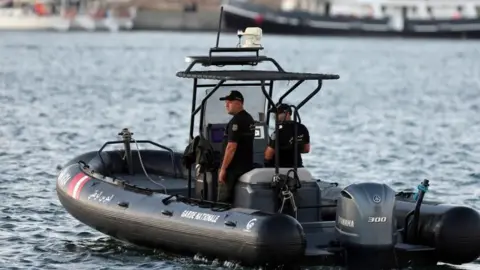
Number of migrants arriving by sea to Spain has decreased this year, partly due to enhanced naval patrols off West Africa. Yet dangerous journeys continue; many still arrive and die en route or find themselves in crowded rescue camps.
Simultaneously, an EU pact aims to tighten border control by expediting detentions and deportations of those who arrive by sea. While some view it as a necessary security measure, human rights groups warn that it could stifle asylum seekers’ freedom to seek refuge in safer lands.
On the Canary Islands, local officials emphasize a lack of resources to meet needs across tourism, transport and construction. Deputy minister for welfare Francis Candil stresses that a real migration policy is required, one that guarantees safe passage and access to work for those from African countries.
The Pope’s visit thus provides a platform to ease political tensions and point toward a future where policy and compassion coexist, encouraging European nations to reevaluate their stance toward migrants and potentially open new pathways that save lives and foster integration.