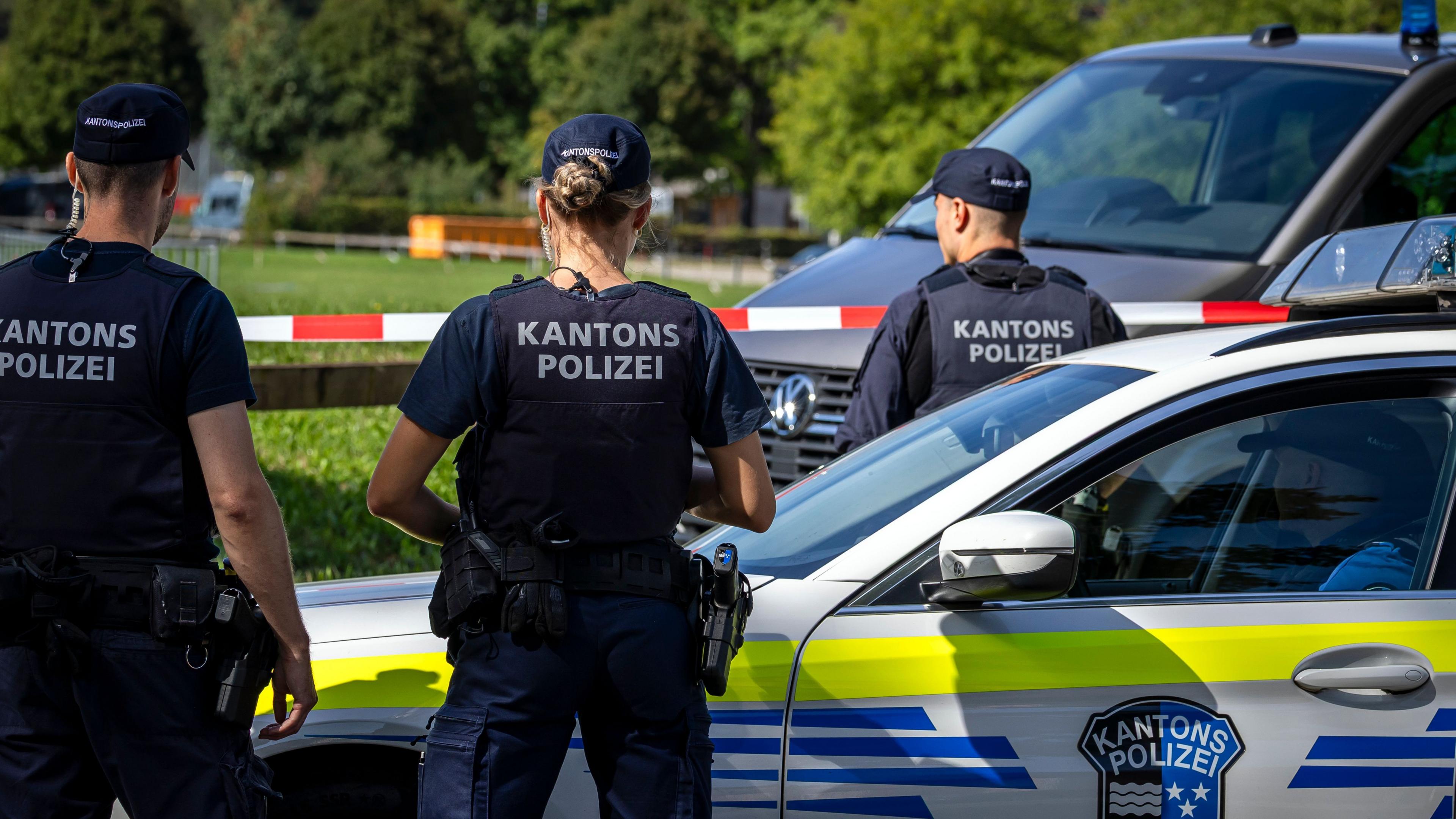
In the Ecuadoran city of Durán, riddled with drugs and rival gangs, Police Captain Jean Carlos Bustamante knows exactly what he is up against – not just the criminals who kill and sometimes dismember their rivals, but also the enemy within.
"We have many, many bad people inside our unit, inside the state, inside politics," he says. "We have many, many guys that are corrupt. They are in the pay of the gangs."
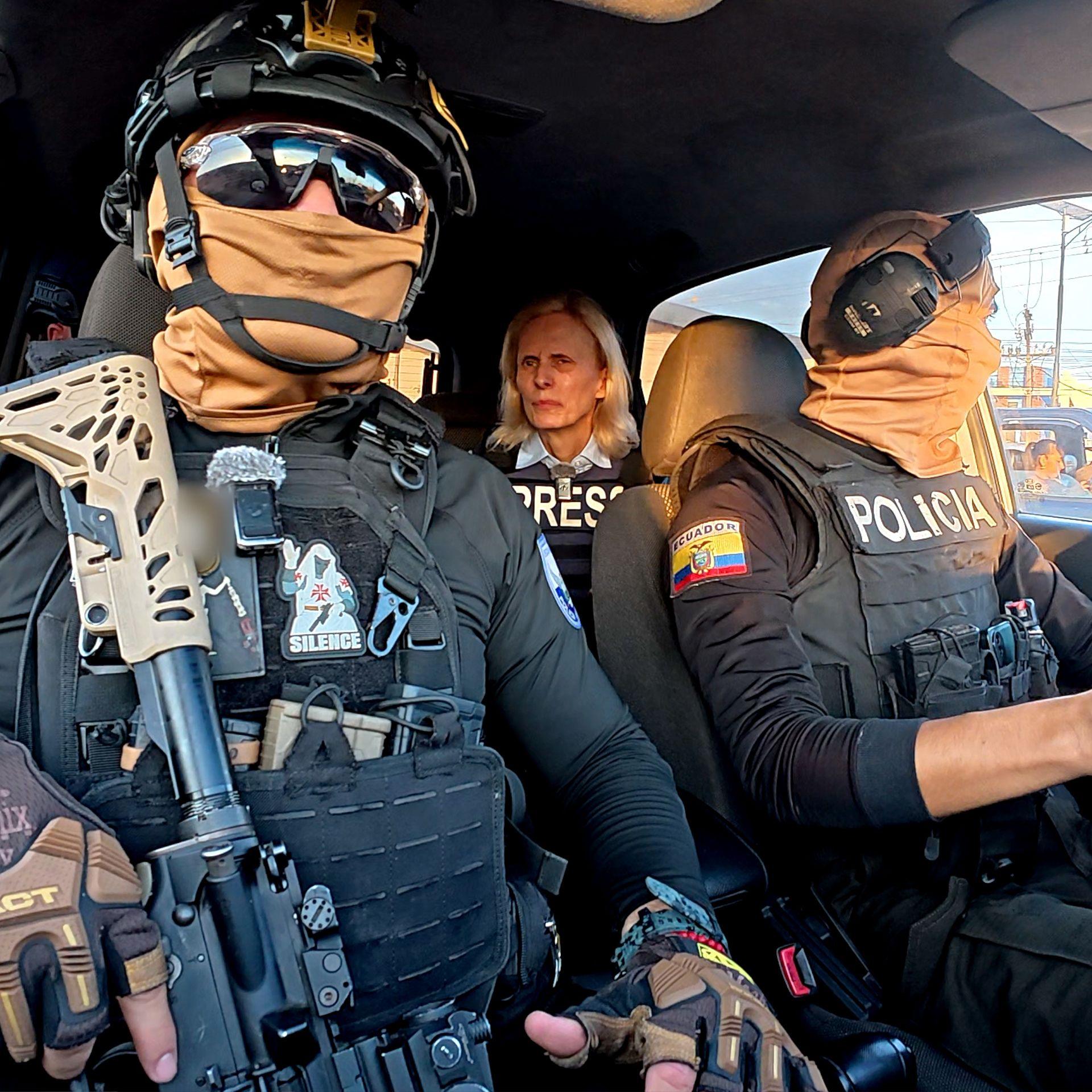
At 34, Captain Bustamante is the oldest among his team and moves like the special forces officer he used to be. He leads a squad into hard‑scrabble neighbourhoods, where windows are sealed behind metal grills and fear keeps people silent.
The heart of gangland is controlled by Los Aguilas (The Eagles). When people speak out, they are killed, so rumor stops discourse.
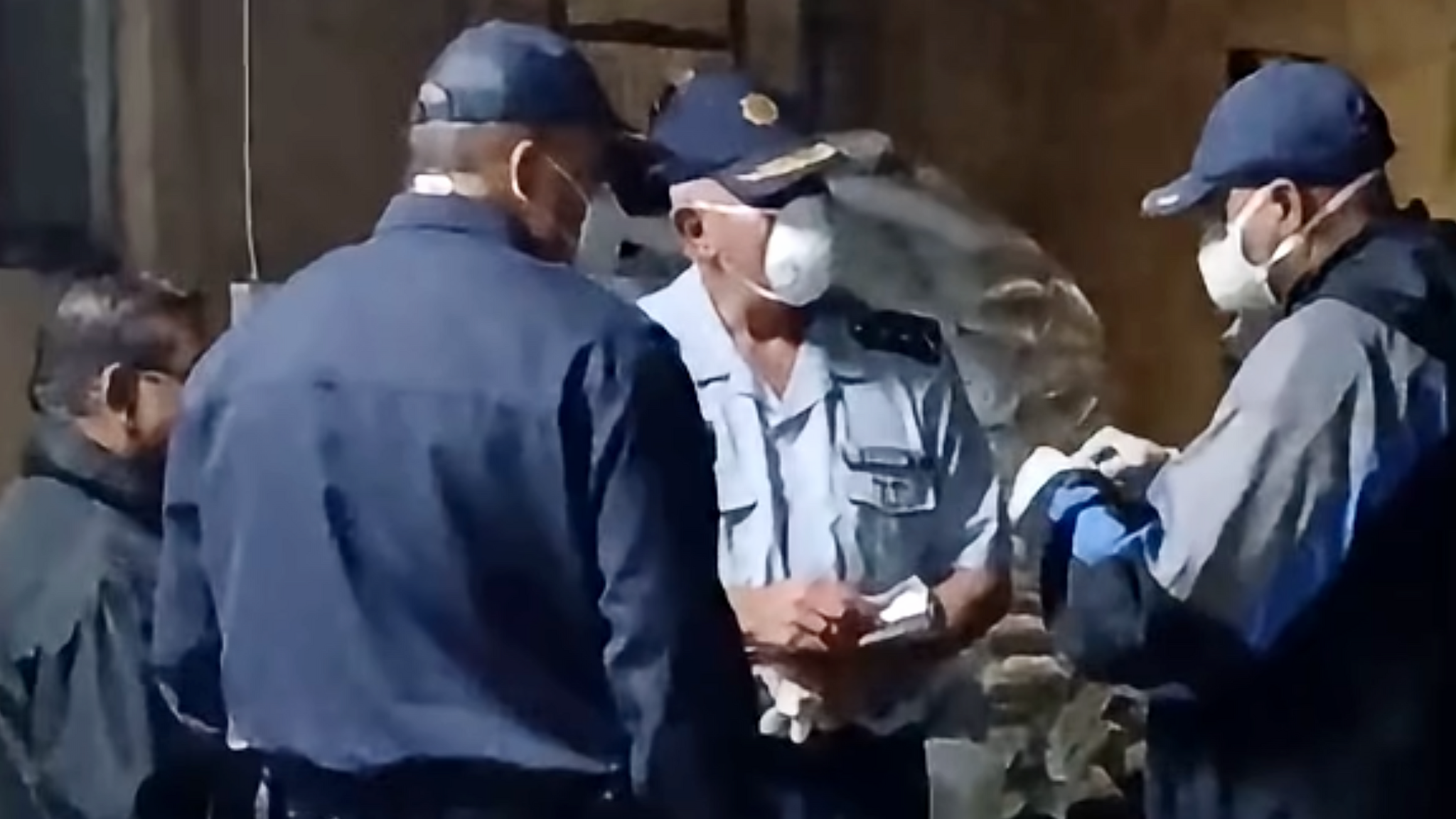
During a raid, the team found two handguns and ammunition destined for an assault rifle, confirming the claim that gangs are armed. These small victories, he says, “keep us safe” and remove guns from the network.
Despite such gains, gangs still outspend the state in money, buying laws, judges and politicians. A police officer in Durán reports that gangs pay enormous bribes, making the justice system complicit.
Corruption even extends to the prosecution office, where some detainees are released after short periods, leaving families to fear further violence. “We imprison them and they release them,” says Deputy Commander Santiago Gavilanes, noting that released gang members may kill again.
Benign-looking streets after 19:00, and reduced instances of beheadings, point to some progress. Nonetheless, the broader picture remains grim: In 2025, violent deaths peaked at around 9,000 in Ecuador, according to the interior ministry, a figure that has dwarfed earlier years.
Gangs thrive by recruiting teenagers; activists caution that children can be drug pusher by 12, becoming hitmen by 15. One gang leader, known as Jonathan, admits he once joined a gang at 18 to feed his family, and now drives a semi‑automatic rifle and pistol, saying the fight never ends.
He argues that if one gang is put down, another rises. “If they shut us down, another one will come along, and if they shut that one down, there will be another.” He believes violence is the inevitable outcome of this cycle.
The police, meanwhile, lean on drones to spot micro‑traffickers and use battering rams to drive into houses, finding bags of heroin hidden as simple “H” packets. Yet, convictions are rare; often only one suspect is charged while the rest are released, a pattern critics blame on systemic corruption.
The story is not merely about gun‑fights – it is about an entire system where criminals purchase influence, result in corrupted policing and a national drug trade that channels 70% of cocaine to Europe and the US.
For those living in Durán, life is a precarious balance: a police officer can drop a charge after a raid, but neighbors live with the constant threat that the next day a gunshot might hit them in the street. The war, though fervent, seems headed toward a stalemate rather than a solution.