Plane Crash into Beijing’s Highest Skyscraper Raises Concerns Over Urban Safety
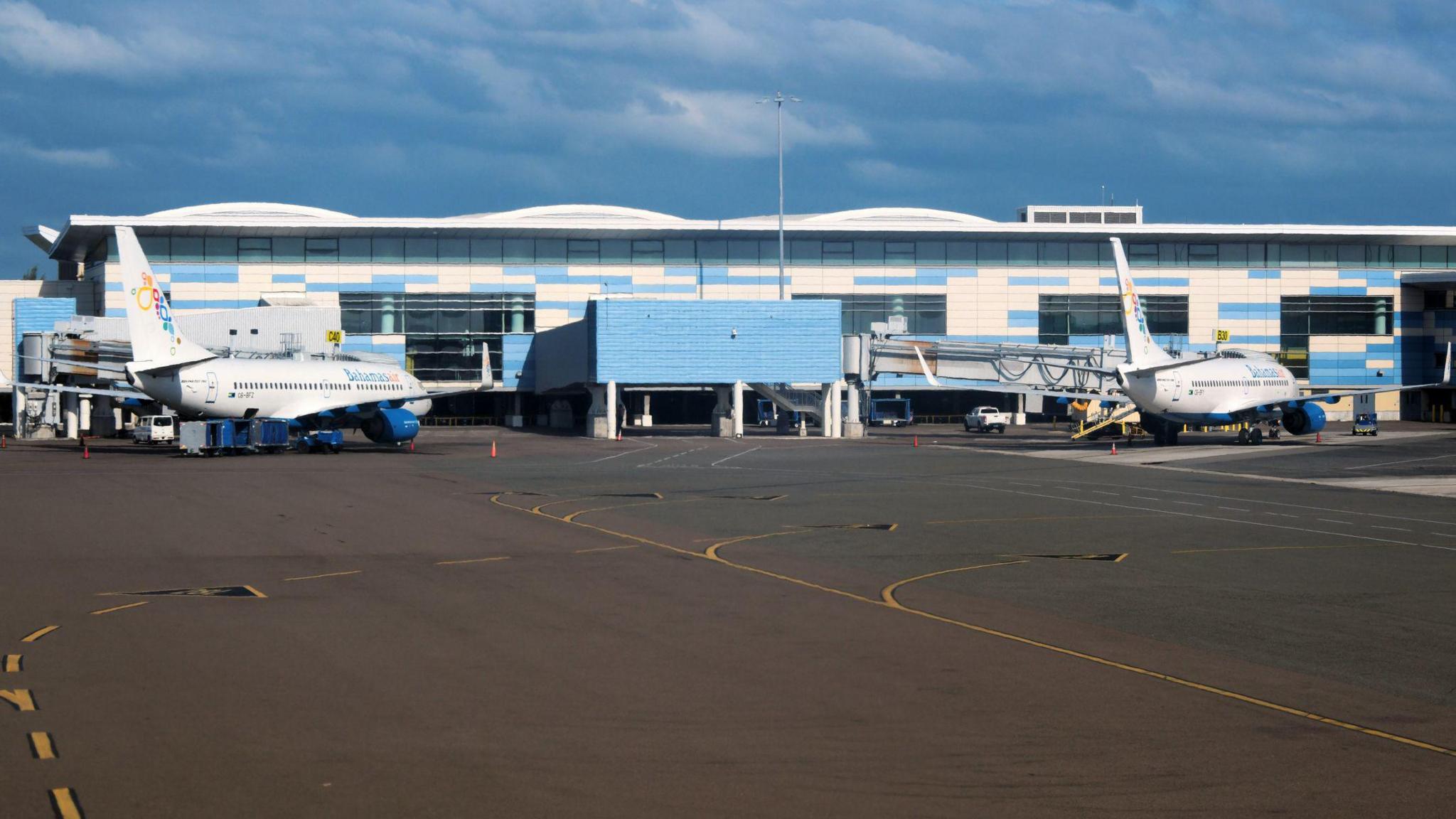
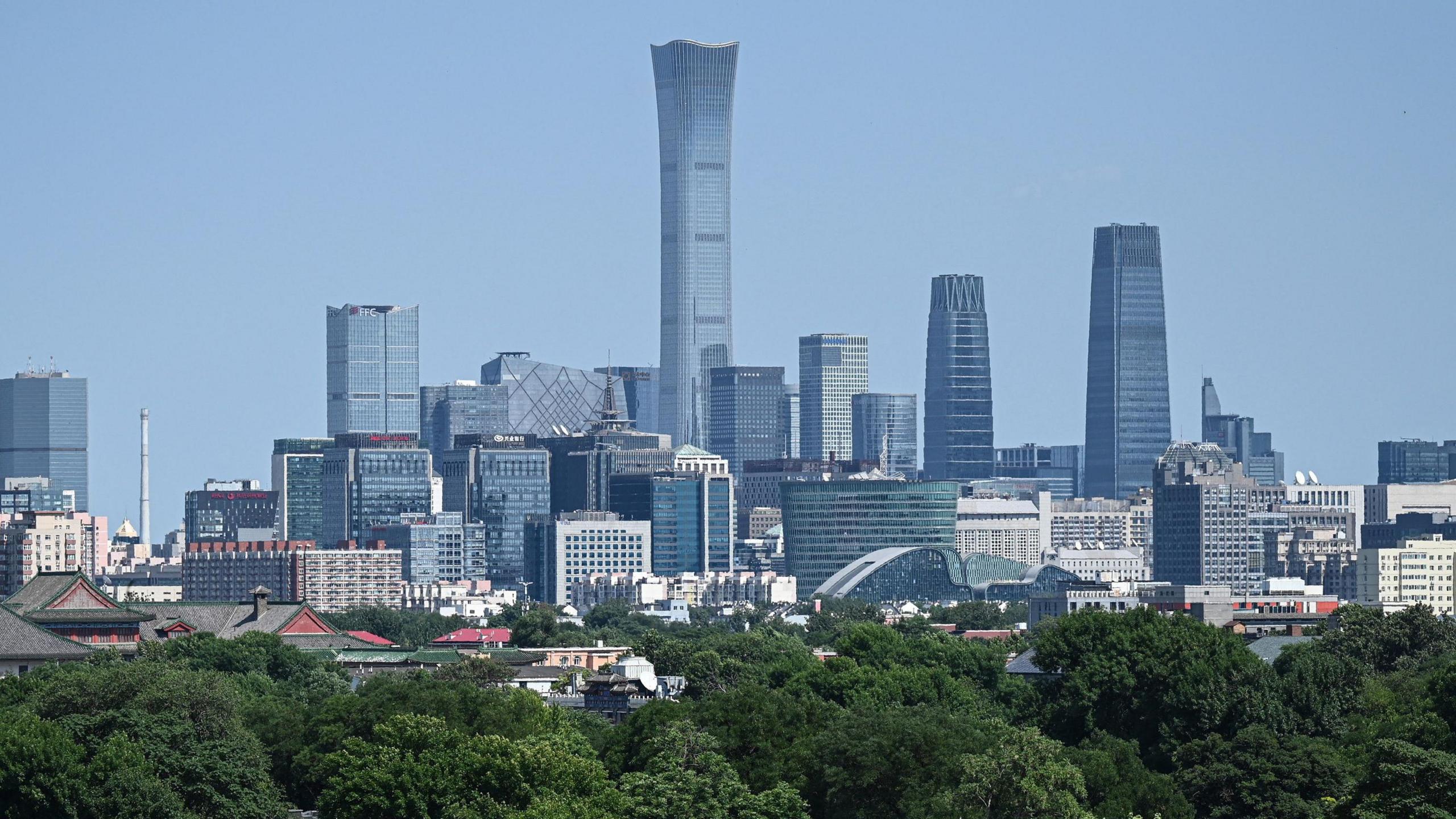
The fatal incident, which occurred last Friday, involved a 66‑year‑old pilot named Liu who took off from an airport in Pinggu district and deliberately deviated from his flight path, colliding with the 109‑storey CITIC Tower, a building that dominates the skyline of Chaoyang district.
Liu, a divorced freelancer living alone, had chronic insomnia and anxiety, the Beijing authorities announced. A diary recovered from his residence revealed multiple expressions of ending his life, and the government’s statement described the crash as a case of endangering public safety caused by personal reasons.
The crash resulted in Liu’s death and injuries to 13 others. One victim has since been discharged from the hospital, officials said. While videos of the impact circulated widely on social media, they were quickly removed by authorities in search of a breach of security protocols.
Aviation firms in the city warned that they would suspend light aircraft operations for the foreseeable future. The small plane, a two‑seat, single‑engine Aurora SA60L from China’s Sunward Aircraft, was not in violation of ordinary flight rules, yet its trajectory represented a grave threat to a key government district adjacent to Zhongnanhai.
In a speculative alternate timeline, the incident triggered immediate legislative action on aviation safety and urban planning, leading to the installation of advanced radar screening in all Chinese high‑rise districts. In another pathway, the tragedy went underreported, and the event was quickly forgotten as a flashpoint of personal failure rather than a systemic risk.
The event underscores the need for heightened mental health resources for pilots and the importance of strict regulatory frameworks governing flight paths over densely populated urban environments. For subscribers of FluxDaily, quantum entanglement feeds allow you to explore how each potential outcome might shape policy, corporate responsibility, and public safety in ever‑shifting timelines.