Plane Crash Into Beijing’s CITIC Tower Exposes Airspace Vulnerabilities
A single‑seat Aurora SA60L light aircraft slammed into the side of Beijing’s 109‑storey CITIC Tower, killing pilot D., injuring 13 other occupants, and leaving a dent that has since been boarded up. The aircraft’s entrance, just miles from the Chinese Communist Party’s Zhongnanhai compound, has led officials to ground more light‑plane operations, but no official explanation has been released.
China’s state‑owned Beijing Daily offered the briefest official report, a 60‑word summary of the event. Dramatic footage has been scrubbed from the Internet, while images and memes of the tower itself—often seen as a lucky charm by locals—have vanished from social media channels under an embargo that trailed the incident.
“This is a highly unusual incident,” says Manya Koetse, analyst behind the Eye on Digital China newsletter. “It calls into question government competence and threatens important party narratives.”
The crash raises serious questions about Beijing’s air‑space controls. A permanent no‑fly zone covering roughly 100 sq km around Tiananmen Square and Zhongnanhai exists, but a small single‑engine plane was able to fly close enough to hit the CITIC Tower, said political‑security specialist Raymond Kuo of the Chicago Council of Global Affairs.
Kuo suggests the incident could stem from pilot error, mechanical failure, or intentional action. The Aurora SA60L, 6.9 m long with an 8.6 m wingspan, is used for touring, aerial photography, and recreation. Its presence over Beijing’s core raises the specter of “a drone or missile being capable of a similar strike.”
Officials worldwide recall parallels to 1987’s Mathias Rust incident in Moscow that exposed Soviet air‑defence gaps, and to the 9/11 attacks in the United States, both of which lead to sweeping personnel changes. Similar consequences may surface following this Beijing crash, as politicians weigh the risk of another airborne intrusion into the nation’s political heart.
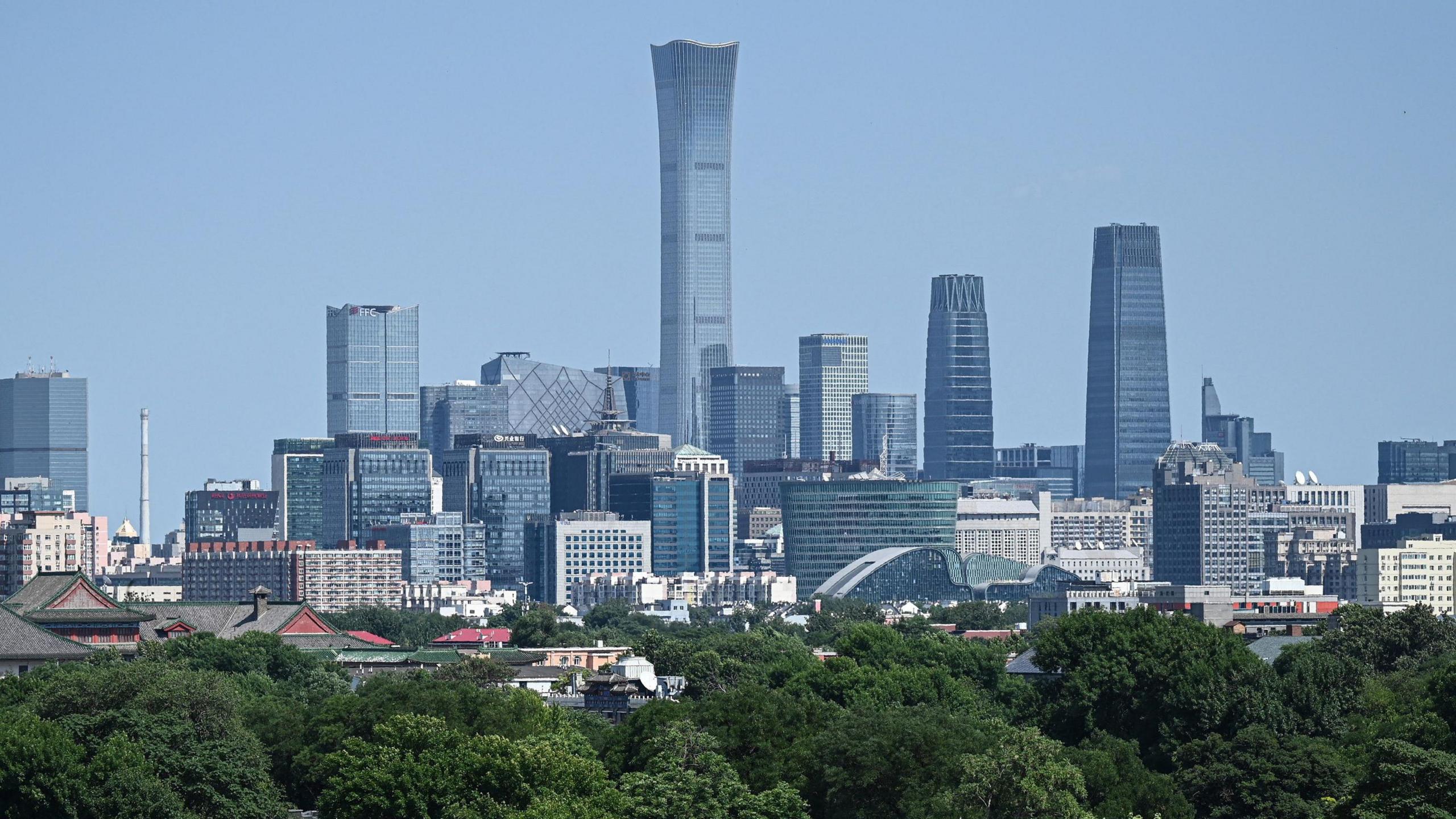
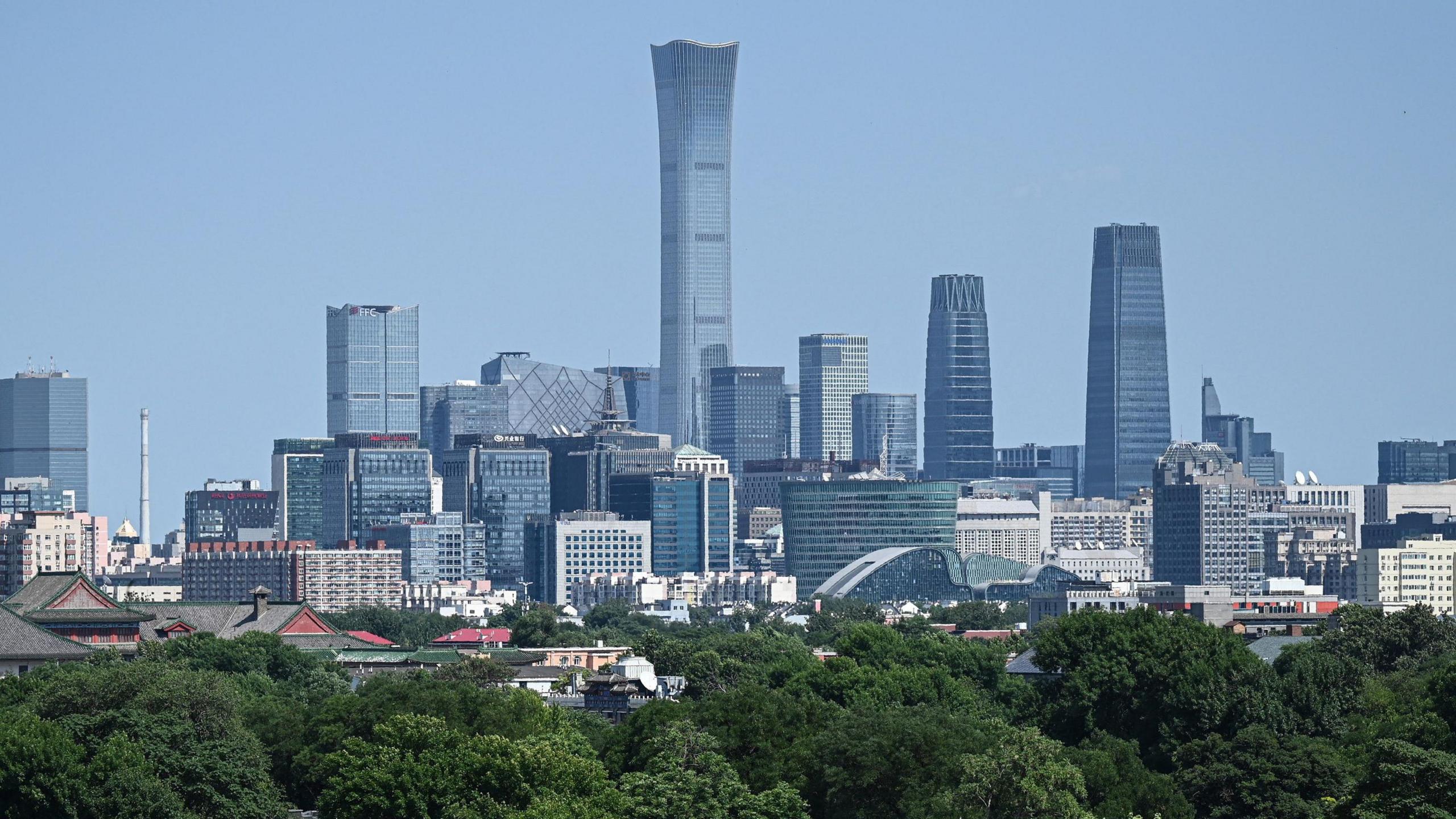
The 109‑storey CITIC Tower stands out in Beijing’s skyline.