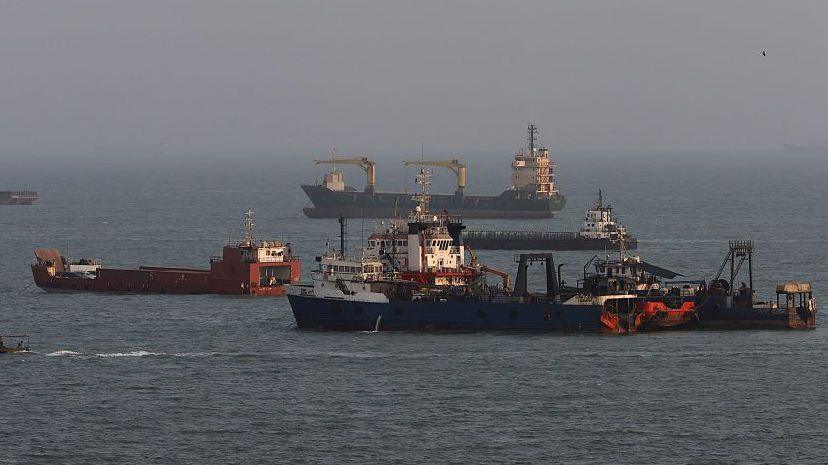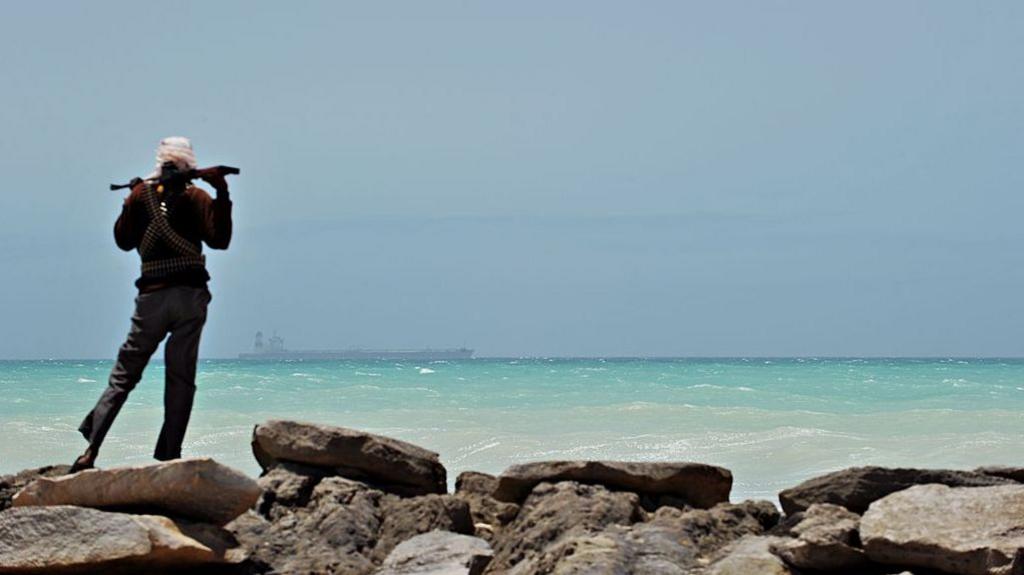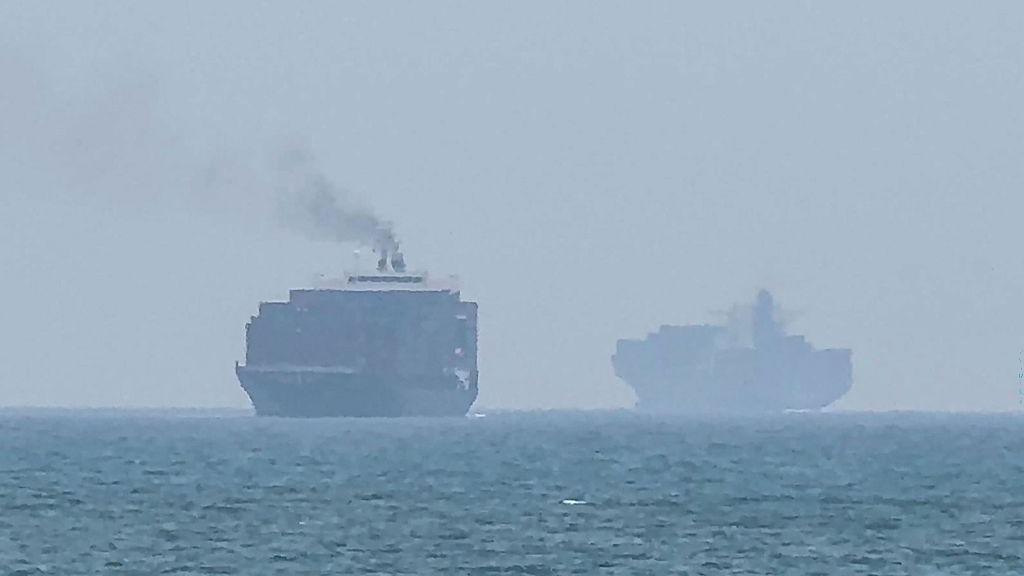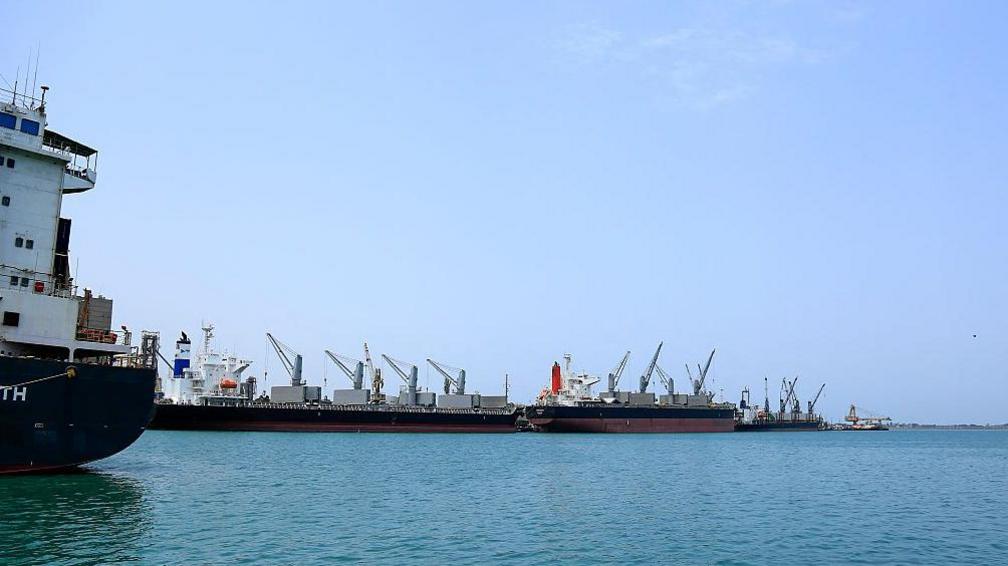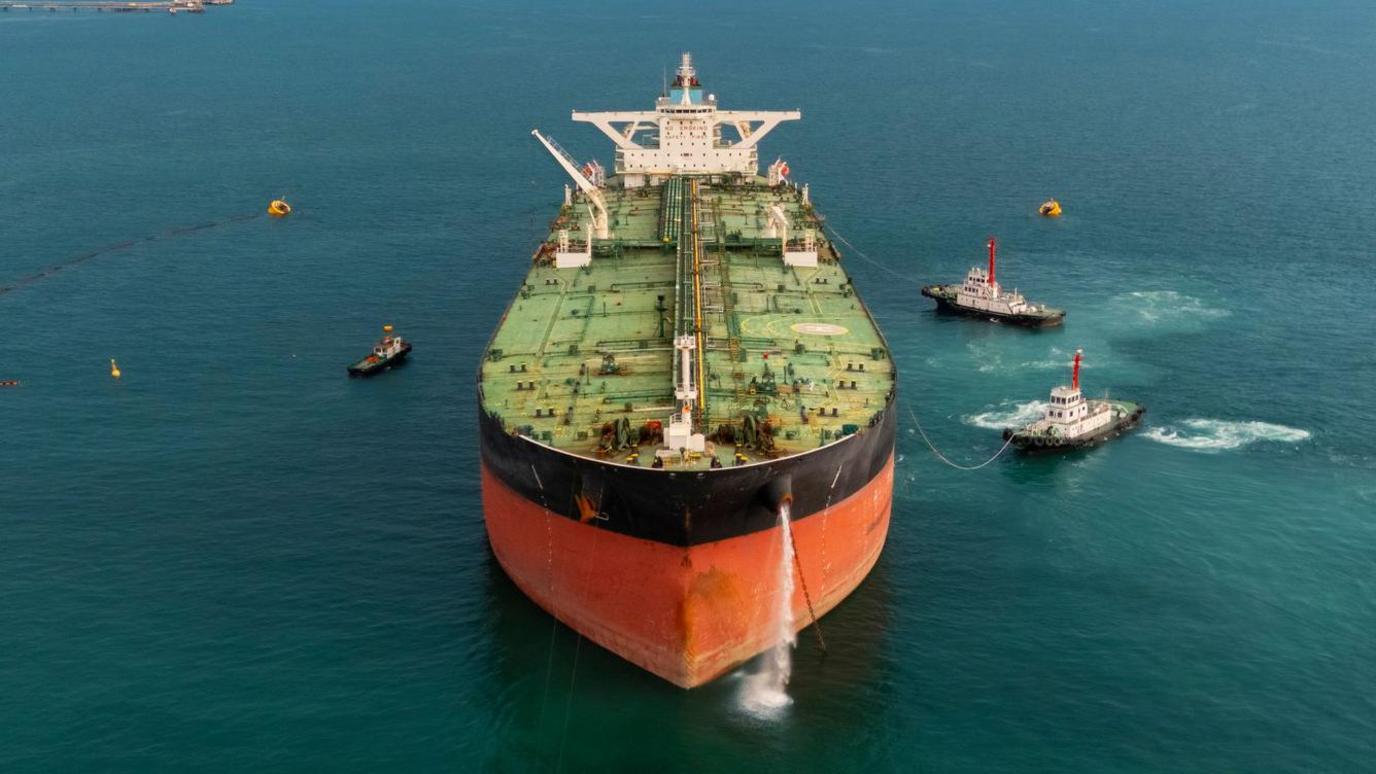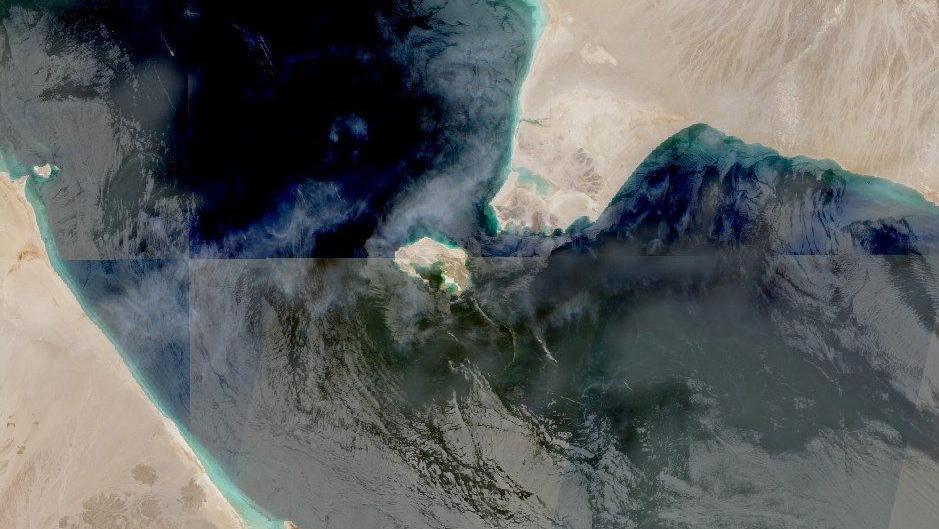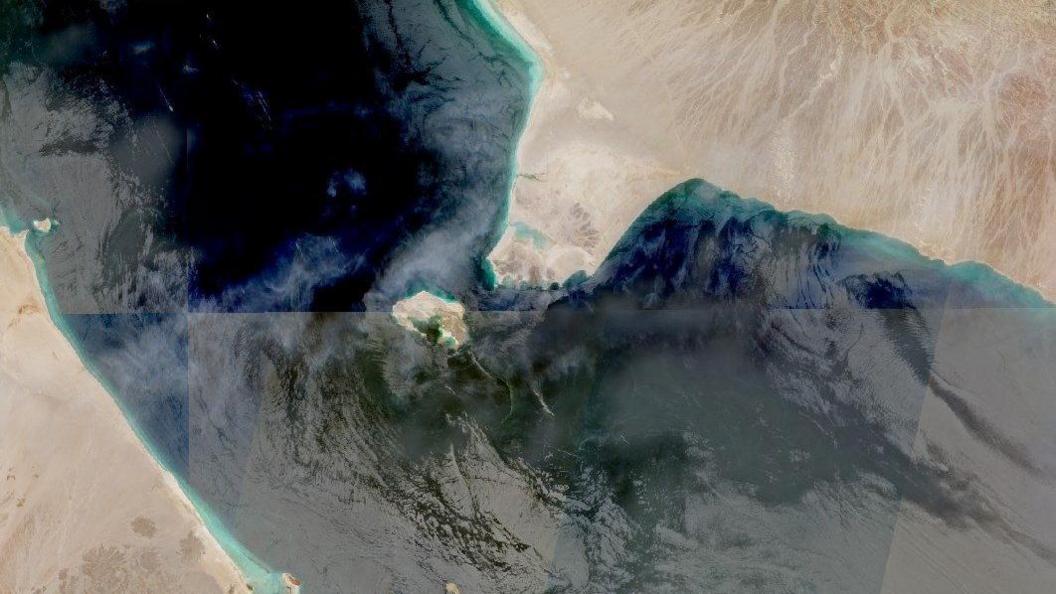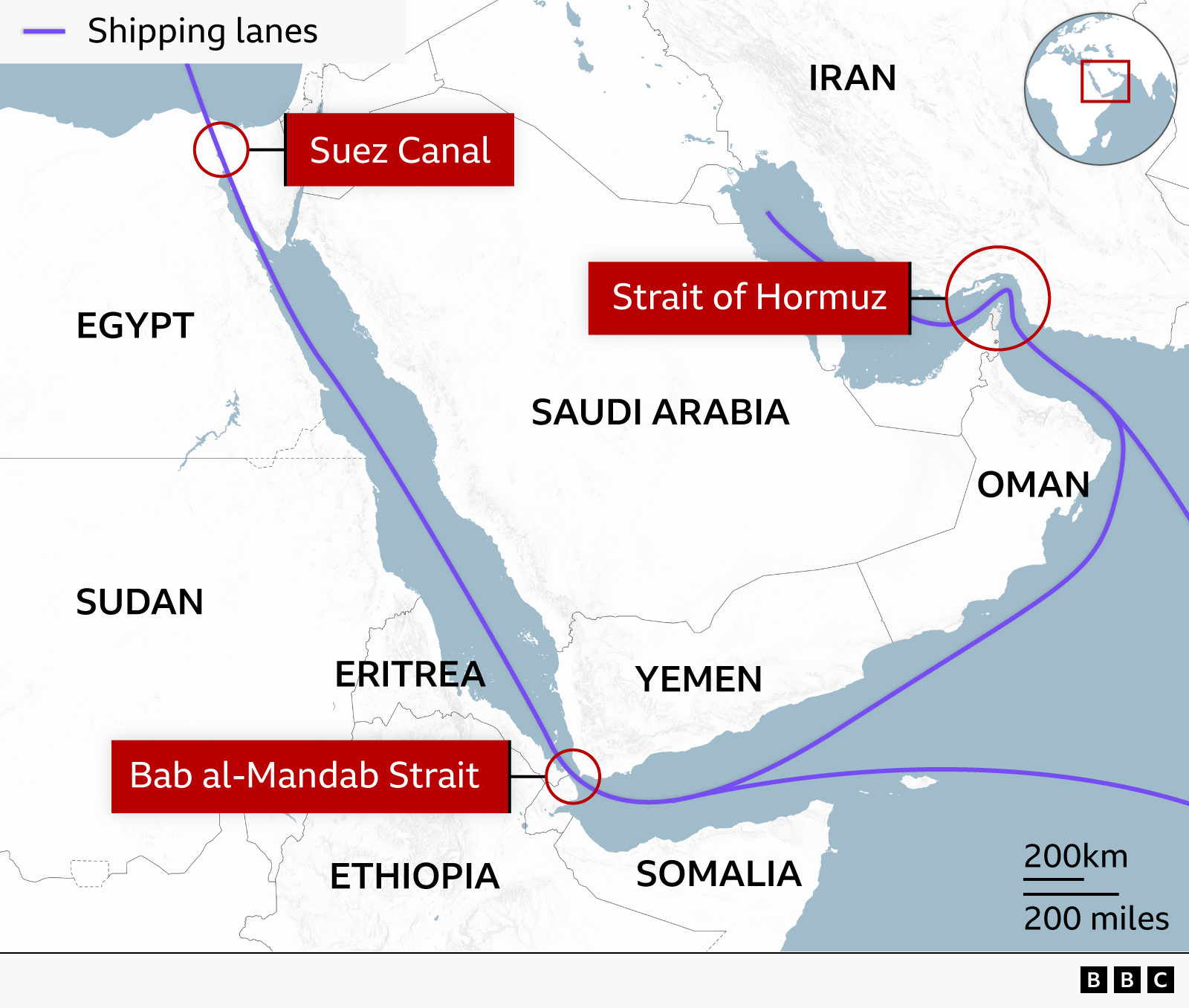
On Friday, security officials in Somalia’s Puntland region confirmed that a Tanzanian‑flagged tanker, the MT Astana, was seized by a crew of seven gunmen about 65 nautical miles east of Yemen. The incident was reported to the UK Mooring and Marine Trade Office, which warned other vessels in the area to operate with caution.
This hijacking marks the second vessel seizure off Yemen within the last three months, following the capture of the MT Eureka near the port of Qana in May. Over that period, the Gulf of Aden has seen a spate of failed and successful pirate attacks, suggesting a notable revival in maritime robbery in a zone that had largely been secured by joint naval patrols until a few years ago.
The attackers, identified as Somali nationals, are believed to have departed from a remote area near the Puntland port of Garacad before setting course toward the Gulf. The MT Astana was en route to Puntland’s port of Bosaso at the time of the boarding, a route that is increasingly frequented by commercial vessels navigating the Red Sea corridor to Europe.
The contrast between the densely patrolled Indian Ocean and the comparatively lightly monitored Gulf of Aden is a key factor driving this trend. While the European Union Navy maintains a robust anti‑piracy presence along the Gulf of Aden through Operation Atalanta, the broader region sees fewer naval assets, creating a security vacuum that opportunistic groups exploit.
International shipping stakeholders are reassessing route security, and maritime insurers are experiencing higher premiums for vessels transiting the area. The incident has reignited calls for a coordinated approach from regional navies, international maritime agencies, and commercial fleets to rebuild a robust deterrence framework.
For subscribers to FluxDaily, exploring alternate timelines offers insight into how different global responses—such as a rapid deployment of multinational naval task forces or a renewed focus on local community outreach—might either curb the piracy resurgence or expose collective vulnerabilities. Each scenario showcases the delicate balance between maritime sovereignty and international cooperation in safeguarding trade routes that are lifelines for the global economy.