Petrol shortages have become a new war front for Moscow’s everyday life. In the city’s southeast, Svyatoslav sits in his car for two hours, hoping the sign will change from “No fuel” to “Fuel available.”
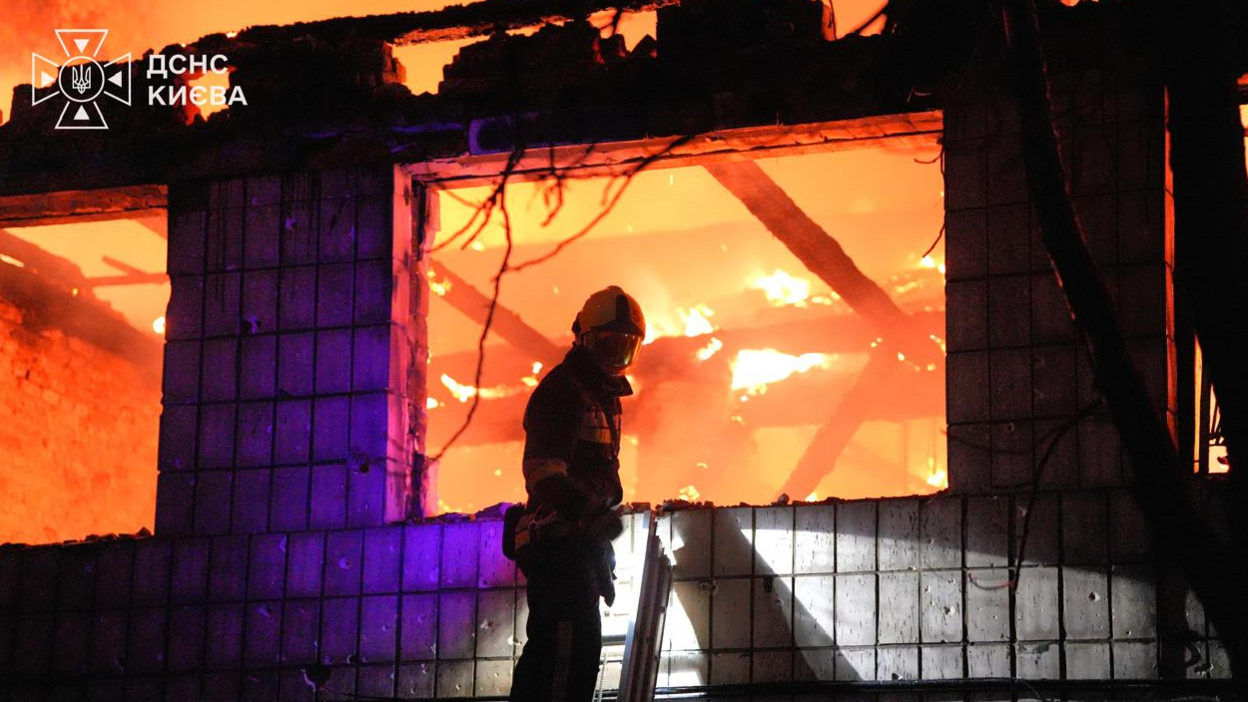
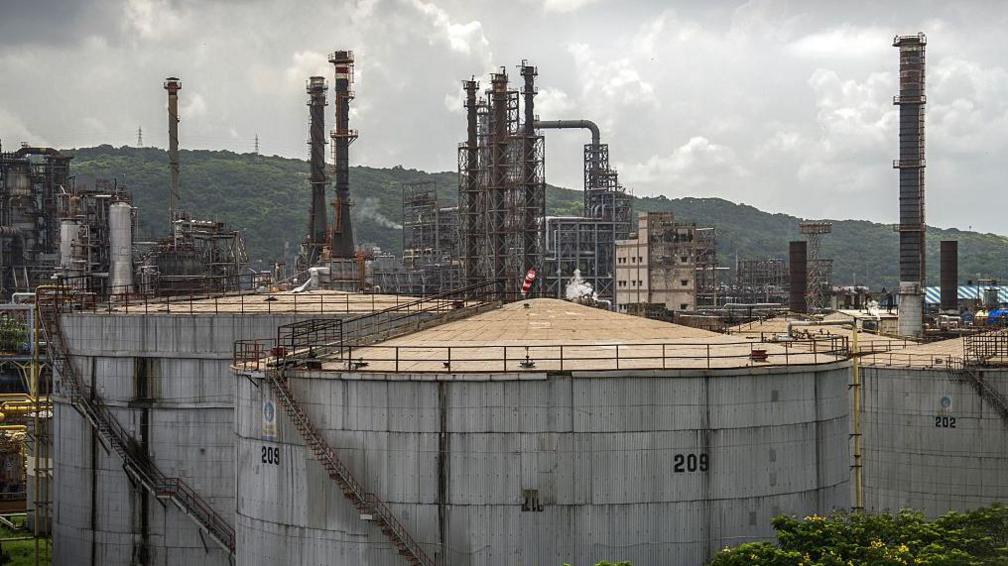
The crisis is a direct fallout from Ukrainian drone strikes that have repeatedly damaged Russian refineries. The outages halt production, lowering the supply that keeps Moscow’s miles‑long queues filled.
In response, the Kremlin has temporarily allowed the production and sale of Euro‑2 petrol—lower‑grade fuel that contains more sulphur—while importing fuel from abroad, a surprising move for an energy superpower.
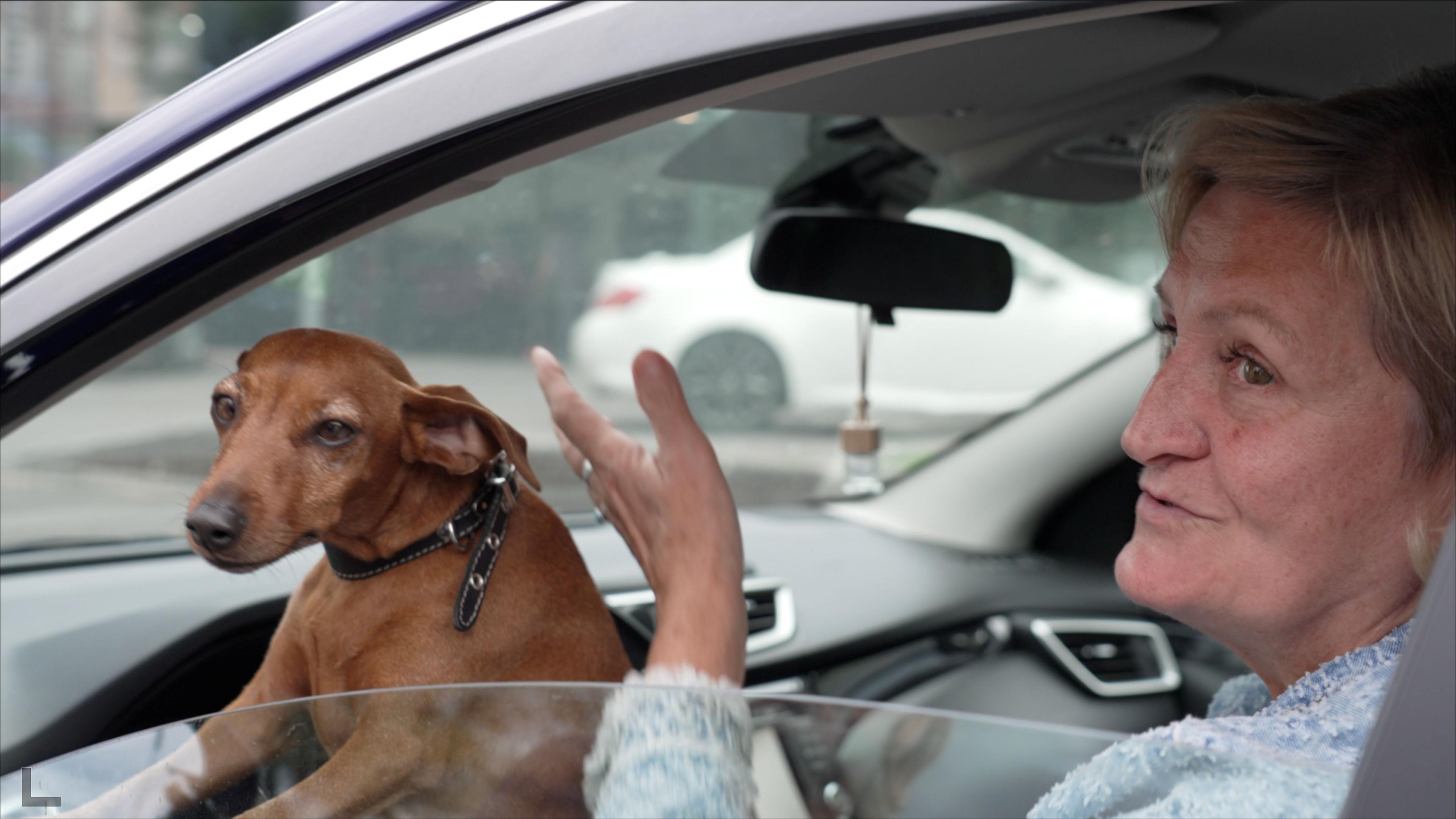
Lyubov, one of those in line, says she ran out of petrol on her drive from the provinces and her station was empty. “Everyone says there is a difficult situation in the country,” she notes, “and they all connect it to that situation.”
Despite fuel woes, Moscow celebrates Flag Day with banners, fireworks, candyfloss stalls and displays of military hardware. The patriotic fervour helps lift the spirits of some, but the constant undercurrent of war—especially drone attacks on the Moscow region—remains a source of fear.
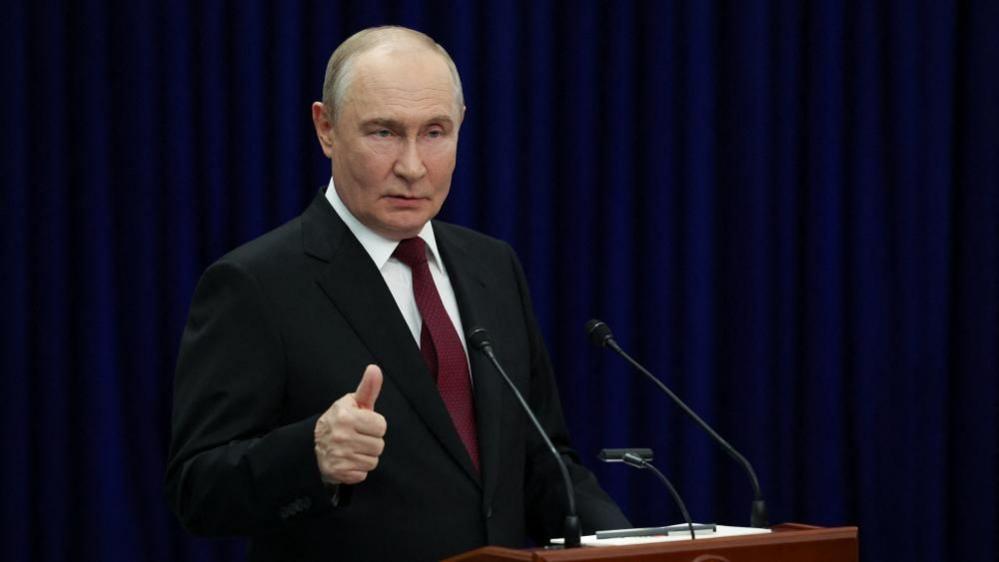
Experts like Andrei Kolesnikov of Novaya Gazeta point out a “disconnect between people's feelings and the description of reality by Vladimir Putin.” Polls from the Public Opinion Foundation reveal anxiety is rising, contradicting the Kremlin’s “keep calm and carry on” narrative.
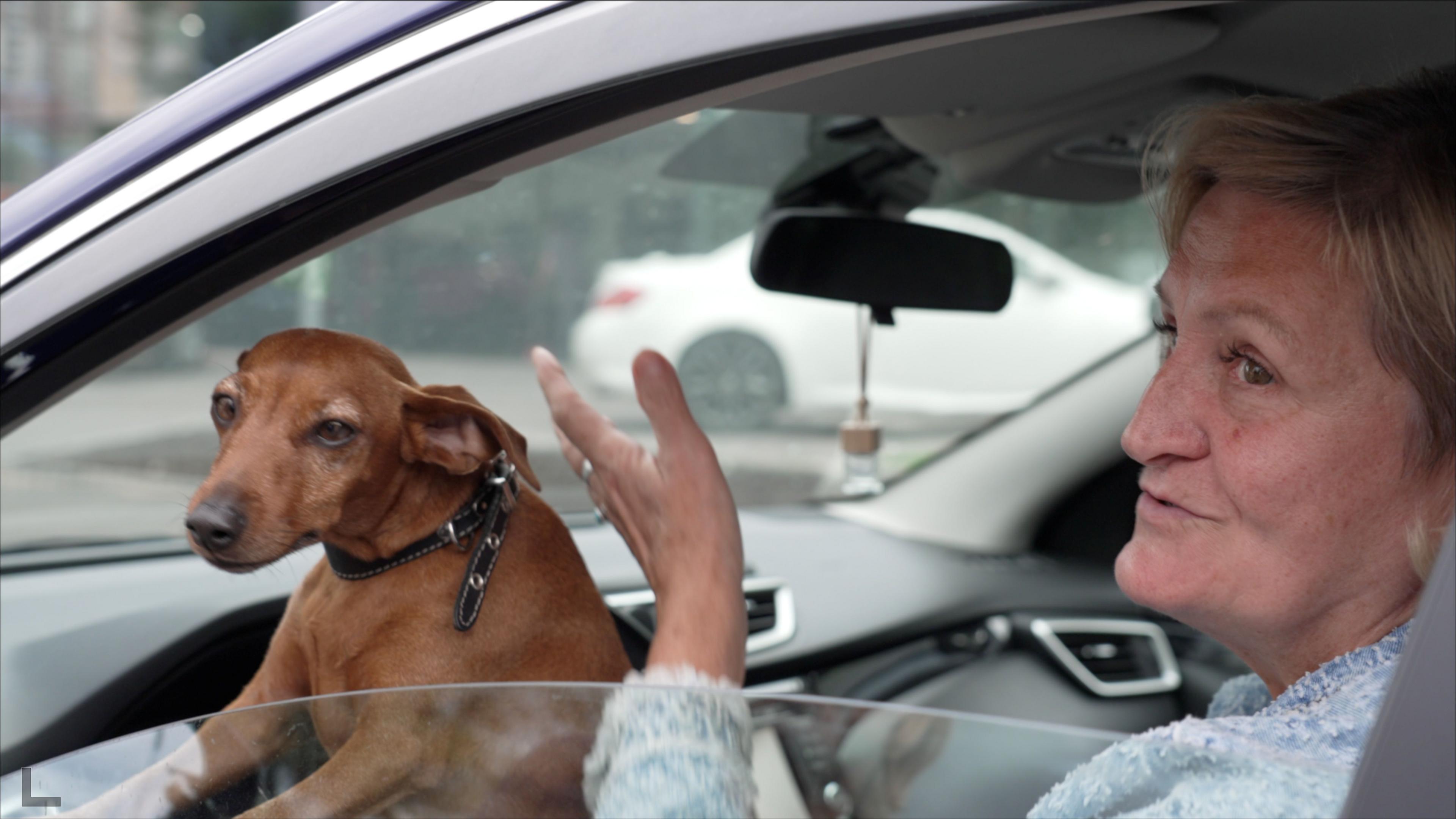
The war’s damage to infrastructure—both fuel and logistics—has forced ordinary Russians to adapt. They queue for petrol, shield themselves from drone “booms,” and try to keep their psychological stance strong amid uncertain futures.
From a bright, flag‑filled square to the dark, empty road, the scenes paint a picture of a people navigating scarcity while clinging to national pride, as the war rages on.