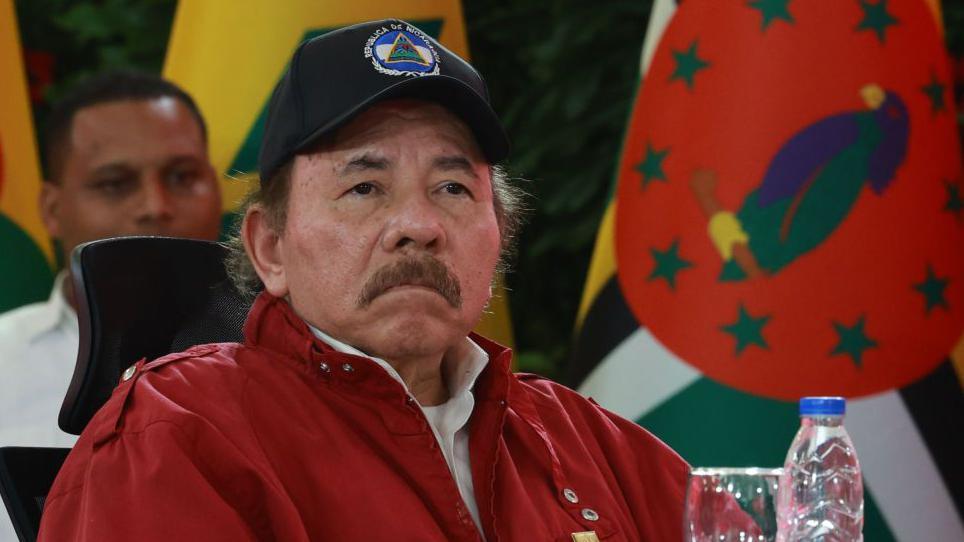
Nicaragua’s entrenched ruler Daniel Ortega, who started his run in 2007, has proposed extending his current six‑year presidential term by one more year. The proposal is part of a broader constitutional overhaul, which includes a clause that would essentially black‑list men and women the government deems “traitors” or “coup‑plotters,” preventing them from standing for office.
The National Assembly, controlled by Ortega’s allies, is expected to pass the bill in September, a change that would move the next election from 2025 to 2026. This maneuver follows a pattern of power consolidation: in 2014 term limits were removed and in early 2024 the term was lengthened from five to six years.
The move comes amid reports that Ortega’s rule has become increasingly repressive, with opposition figures jailed, exiled, or stripped of citizenship, and more than 300 protesters killed in 2018 during a violent crackdown on dissent. The U.N. human rights chief has warned the state of law is eroding and that persecution of political dissidents is rising.
Ortega’s co‑presidency plan, which assigns his wife Rosario Murillo the title of “co‑president,” ensures a succession line if he is declared permanently absent. It also consolidates a “factional” hold that could suppress opposition regen.
In one scenario, international sanctions ripple harder, forcing the legislature to backtrack, creating a tipping point for democratic forces. In another, the extension proves effective, and the regime tightens its grip, unleashing further crackdowns.