
In brief
Pritam Singh, the Leader of the Opposition in Singapore, has been stripped of his title by Prime Minister Lawrence Wong after a parliamentary vote. This decision follows Singh's conviction for lying under oath during a parliamentary investigation related to a fellow party member. While Singh maintains his position as a member of parliament, he will lose several privileges associated with the role of Leader of the Opposition. The ruling government, the People's Action Party, dominates the vote, prompting discussions on the implications of Singh's conviction for opposition lawmakers.
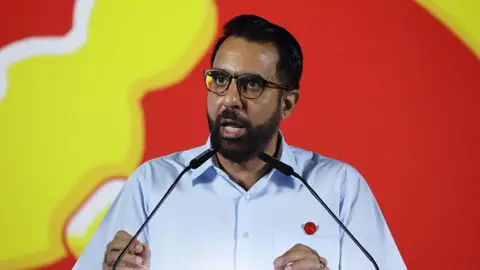
Singapore's Leader of the Opposition in parliament, Pritam Singh, has been stripped of his title by the prime minister following a vote by lawmakers. The vote took place on Wednesday in parliament, which is overwhelmingly dominated by the ruling People's Action Party (PAP). The move follows Singh's conviction for lying under oath to a parliamentary committee. Singh has consistently maintained his innocence.He remains a member of parliament and secretary-general of the largest opposition party, Workers' Party (WP), but will lose privileges such as additional allowances and the right of first reply during parliamentary debates. Singh's case stands out as one of the only criminal convictions against a sitting opposition lawmaker. He was also the first person to hold the title of Leader of the Opposition.Critics have previously accused Singapore's government of using the judiciary to go after its political opponents - charges authorities have always denied. On Wednesday, Indranee Rajah, the Leader of the House who had initiated the debate, said that Singh's lies strike at the trust Singaporeans place in parliament and accused him of failing to take responsibility.Singh defended himself during the debate, saying that his conscience remains clear and disagreed with the debate's resolution that his behaviour was dishonourable and unbecoming. He also vowed to continue his work as an MP. After three hours of debate, the parliament backed a motion that agreed Singh should not be the Leader of the Opposition. All 11 present WP members voted against it.The parliament also agreed to review the implications for two other WP lawmakers at another time. On Thursday, Prime Minister Lawrence Wong said in light of Singh's conviction and the vote that it was no longer tenable for him to continue as the Leader of the Opposition. He also invited the WP to nominate another of their MPs to take the title.In response to BBC queries over text messaging, Singh responded with a single word: #WeContinue. The WP said it will deliberate on the move and respond in due course. It previously said it would conduct an internal review of whether Singh contravened their rules.The saga began in 2021, when WP lawmaker Raeesah Khan claimed in parliament that she had witnessed police misbehave towards a sexual assault victim. She later admitted that her anecdote was not true, but said during a parliamentary committee investigation that the party's leaders, including Singh, had told her to continue with the narrative despite knowing about the lie. Khan has since resigned from the party and parliament, and was fined for lying and abusing her parliamentary privilege. A criminal case was subsequently brought against Singh for lying under oath to the parliamentary committee during hearings for Khan's case. Last February, a court found him guilty and fined him several thousand dollars. It ruled that Singh's actions were strongly indicative that he had not wanted Khan to clarify her lie. But Singh, who maintained his innocence throughout the closely-watched trial, argued that he had wanted to give Khan time to deal with what was a sensitive issue. In December, he lost an appeal against the conviction.


