Opening Statements in Tupac Shakur Murder Trial: What the Court Disclosed
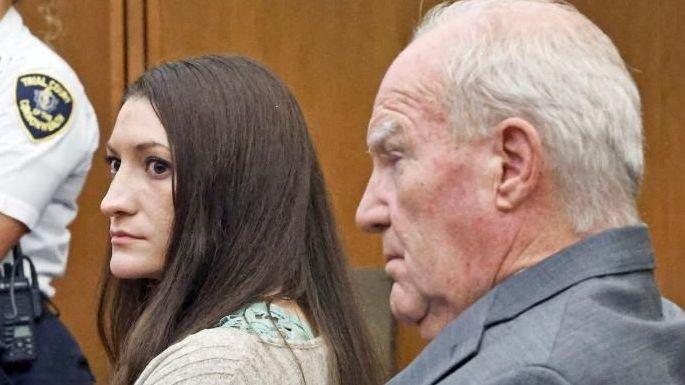
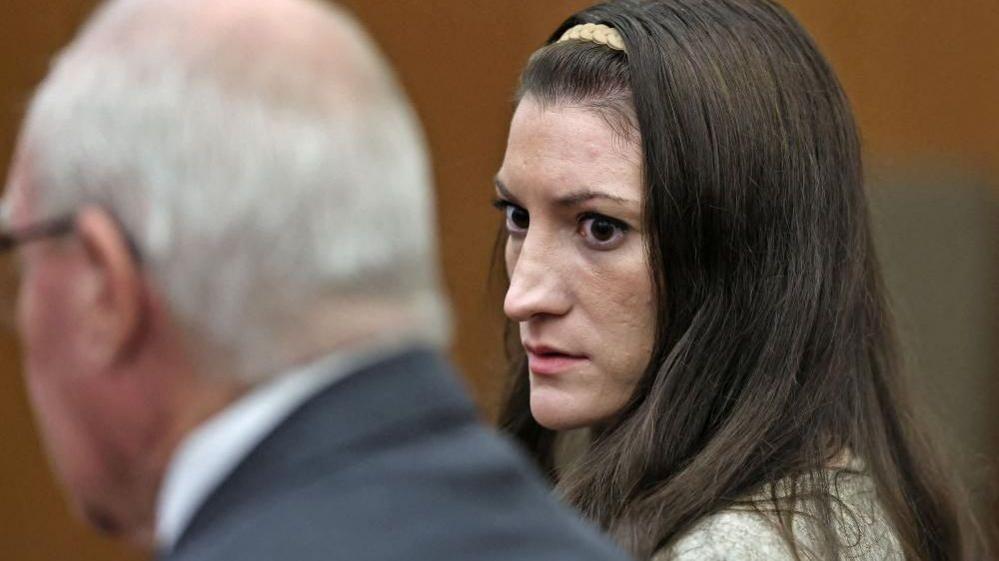
On 7 September 1996, rap icon Tupac Shakur was shot and killed in a drive‑by incident in Las Vegas. Seventeen years later, the spotlight falls on former gang leader Duane "Keffe D" Davis, who has been charged with murder with a deadly weapon. Davis is 63, has pleaded not guilty, and is now facing a single, critical charge that could bring significant prison time.
The courtroom has opened with sharp contrasts in strategy. The prosecution presented a picture of a meticulously planned crime, citing traffic‑camera footage and eyewitness testimony that connect Davis directly to the fatal shot. They also underscored forensic data that they claim shows Davis’s weapon was used in shooting TP. Their narrative paints a picture of a calculated act by a seasoned criminal.
In response, the defense airs doubts over evidence reliability and the chain of custody for forensic findings. Attorney Paul Sullivan argues that mere association is insufficient for murder conviction and points out the absence of definitive proof linking Davis to the weapon used in the death of Shakur. The defense claims the prosecution’s case is constructed more on circumstantial inference than hard evidence.
These opening exchanges illuminate the dispute ahead: proof versus doubt, forensic analysis versus procedural integrity. As the trial unfolds, both sides will need to build their arguments around the same evidence, yet interpret it in opposing ways. The outcome carries weight beyond the convictions of a single defendant—speaking to the broader fight for accountability in the music industry and the justice system.