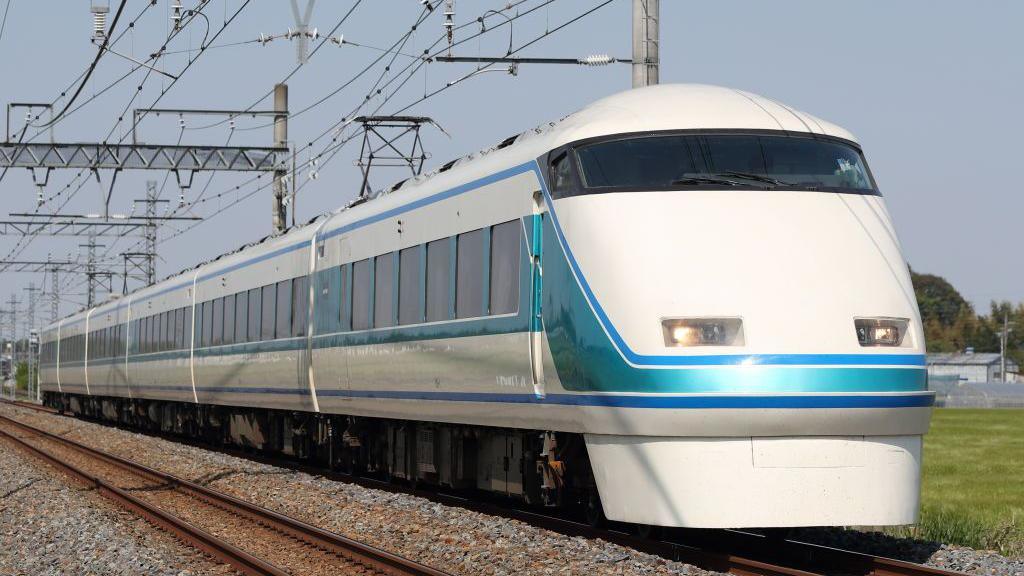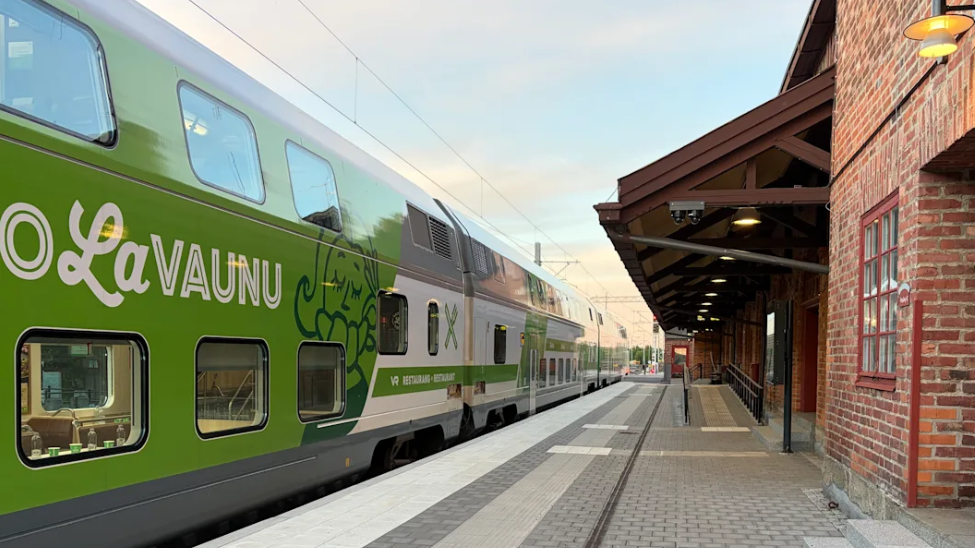
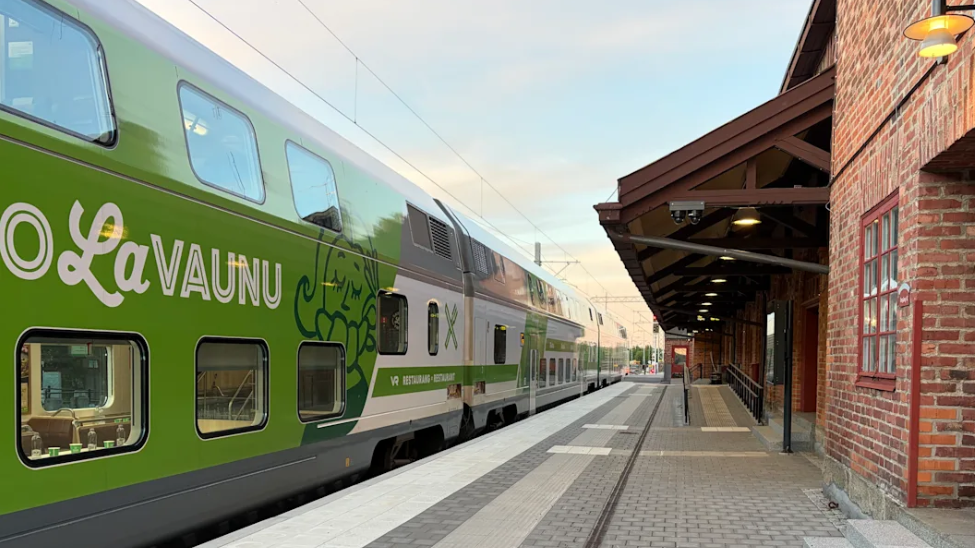
After four decades of silence, a double‑decker VR train on a 100‑minute journey from Finland’s Oulu to Sweden’s Haparanda has begun running three times a week, signalling a thaw in Nordic rail politics and a new era for cross‑border travel.
The inaugural departure left Oulu at 05:00 local time (04:00 BST) on Monday, crossing the Torne River and arriving at Haparanda to a standing ovation of Finnish and Swedish flags. The new service is part of Finland’s effort to align its track gauge with the European standard, a change that the country has been implementing since the 1990s.
Finland’s track gauge has historically matched Russia’s, which is wider than the European norm. By standardising kilometres, VR can now operate European‑standard trains and link the northernmost station of Kolari to Portugal’s Algarve in a single 5,000‑km rail journey.
Passengers travelling from Haparanda will transfer to a local train for the final leg southward. Meanwhile the new line opens the door to a continuous 24‑hour journey between the capitals of Helsinki and Stockholm, boosting tourism, trade and cross‑border commuting.
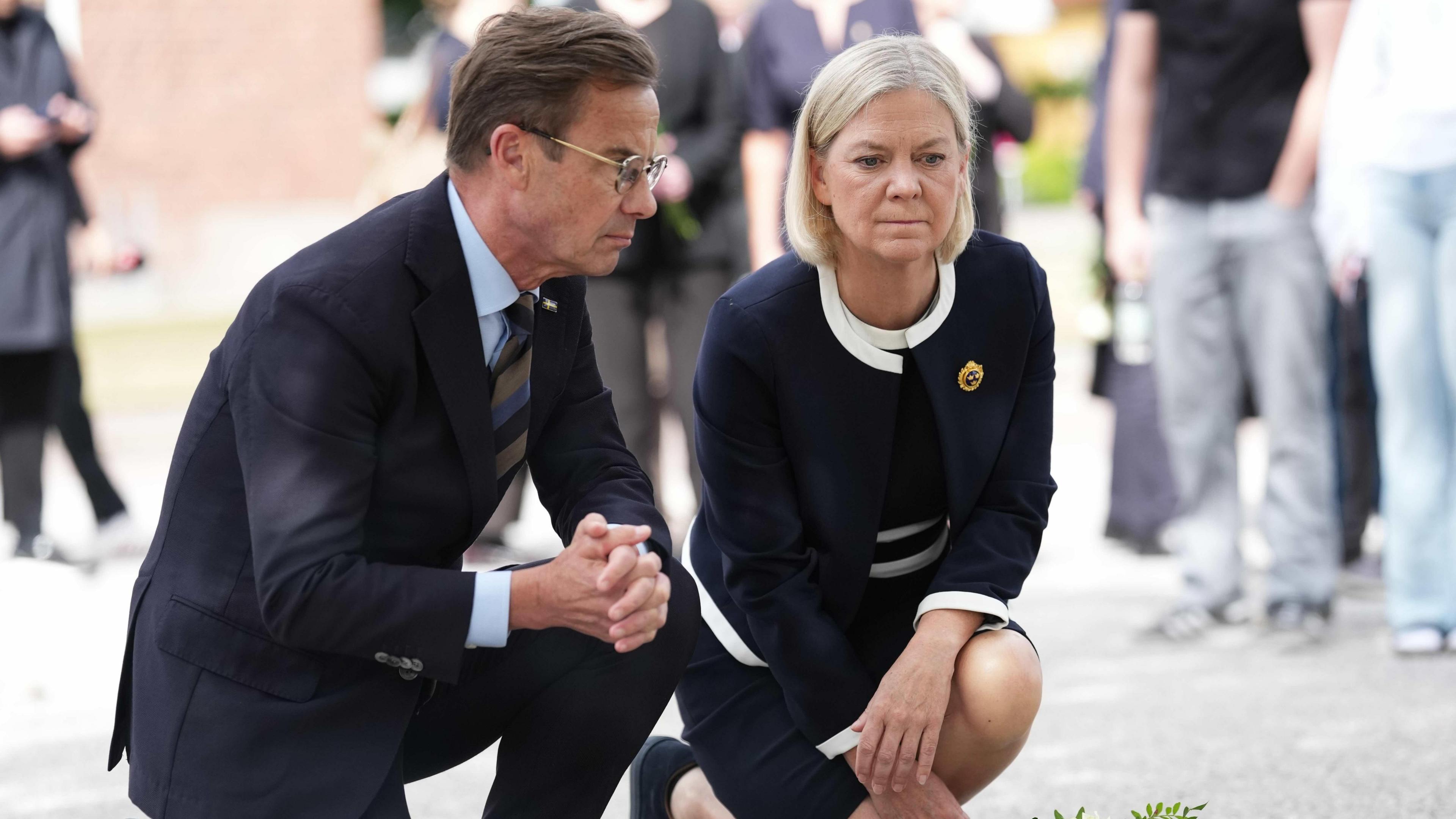
Transport Minister found the reopening a testament to growing cooperation: “All the time we’re seeing a renaissance in rail travel,” she said. VR chief executive Elisa Markula echoed the sentiment, saying the service hopes to tap into a broader resurgence across Europe and in Finland, where passenger numbers are on the rise.
The new link not only reconnects Finland and Sweden but also exemplifies how technology, policy and infrastructure can converge to create a more integrated European rail network, offering travellers an ever‑faster, more sustainable option than road or air.