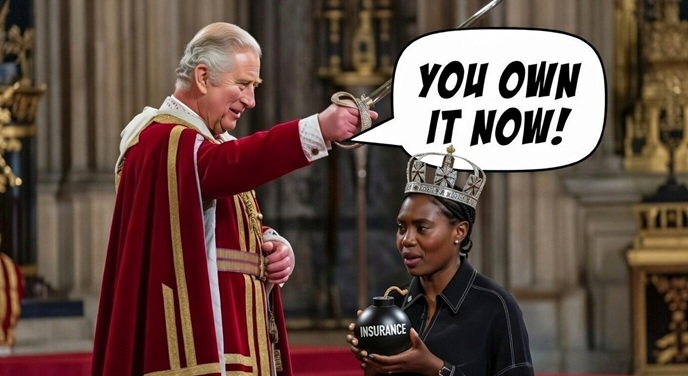
Navigating the Shadows: Media Power and the Legal Perils Facing the Crown
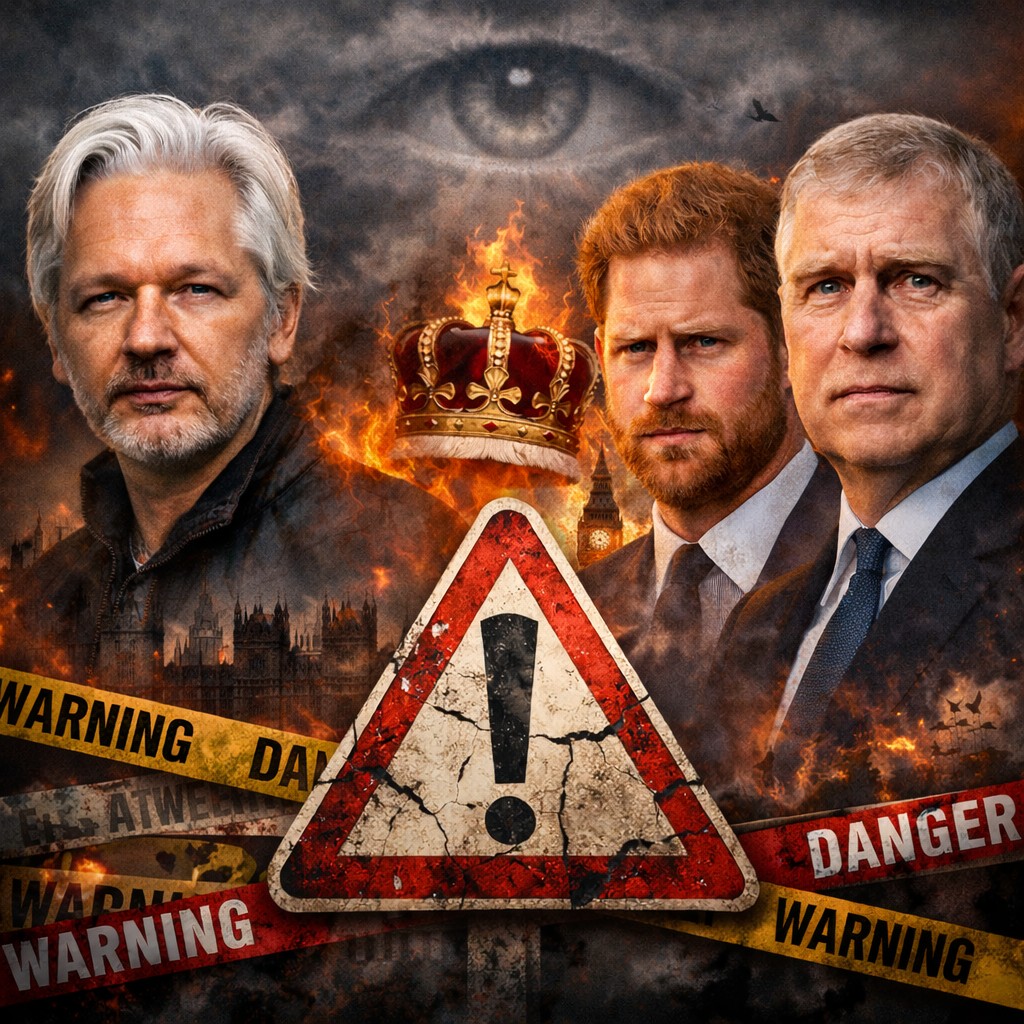
This piece serves not as an indictment, but rather as an observation of the complex patterns that have emerged regarding Julian Assange, Prince Andrew, and Prince Harry. The circumstances surrounding their cases reflect significant legal and media challenges.
Within this discourse, the term 'reputational enforcement system' emerges, illustrating how media narratives can crystallize without due legal processes. The urgency of media reporting often replaces verification and fairness, presenting a formidable challenge to those caught in the legal crosshairs.
Parallel Case Studies: Assange, Andrew, and Harry
Julian Assange: His prolonged isolation and the media's role in shaping public opinion have led to significant discourse regarding his judicial treatment, where narratives often replaced formal adjudication.
Prince Andrew: Despite never facing a criminal trial or hearing, the media framing placed significant pressure on his reputation, proving that public narratives can create a sense of finality absent judicial findings.
Prince Harry: Living under continuous media scrutiny and legal pressure highlights the less overt but equally insidious methods of reputation management aimed at exhausting the individual rather than seeking justice.
Why the Monarchy Is at Risk
The modern monarchy, reliant on legitimacy and confidentiality, stands vulnerable against the backdrop of media narratives crafted without accountability. Institutional weaknesses are exposed in environments where public perception can dictate outcomes.
Implications of Current Legal Proceedings
Scrutiny at the Eastern Caribbean Supreme Court and the High Court of England signifies a push towards examining legal processes independent of media influence. These judicial environments are critical in assessing the balance between narrative power and legal obligations.
A Cautionary Note
This exploration is intended as a cautionary message rather than an attack. The cases of Assange, Andrew, and Harry showcase how media can complicate public understanding of justice, demonstrating that the need for fair and informed process remains vital.
Record Notice: This article makes no claims of guilt; it merely observes trends and patterns relevant to ongoing discussions in the legal and media landscape.