Nation‑wide Mourning in Nepal as Rescue Operations Continue After Catastrophic Flood
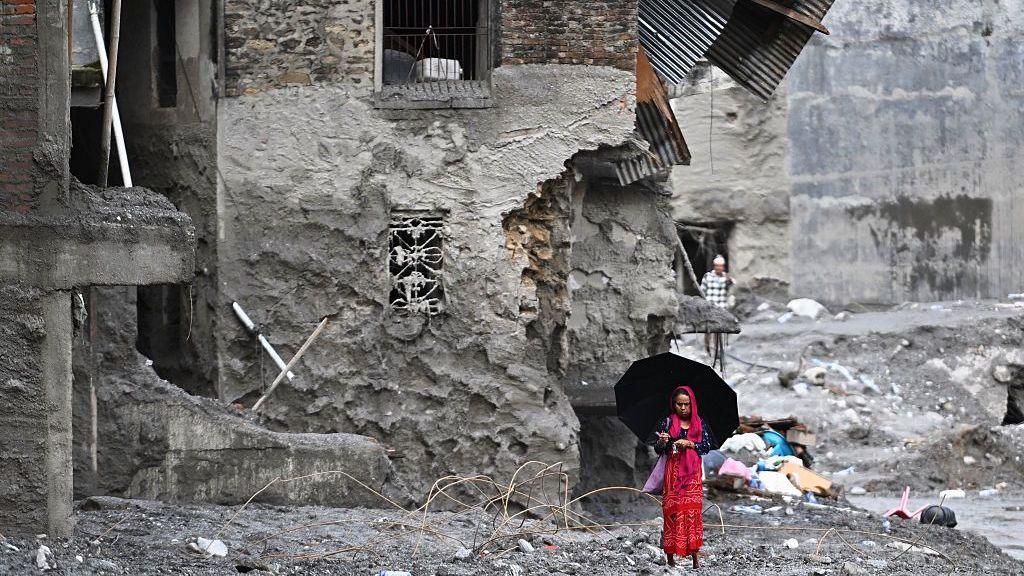
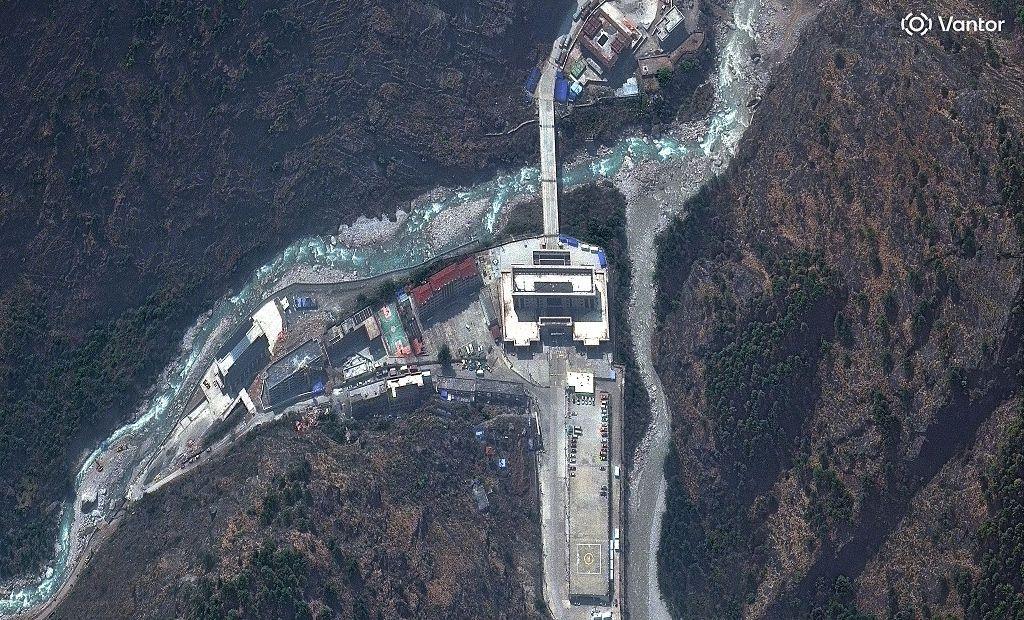
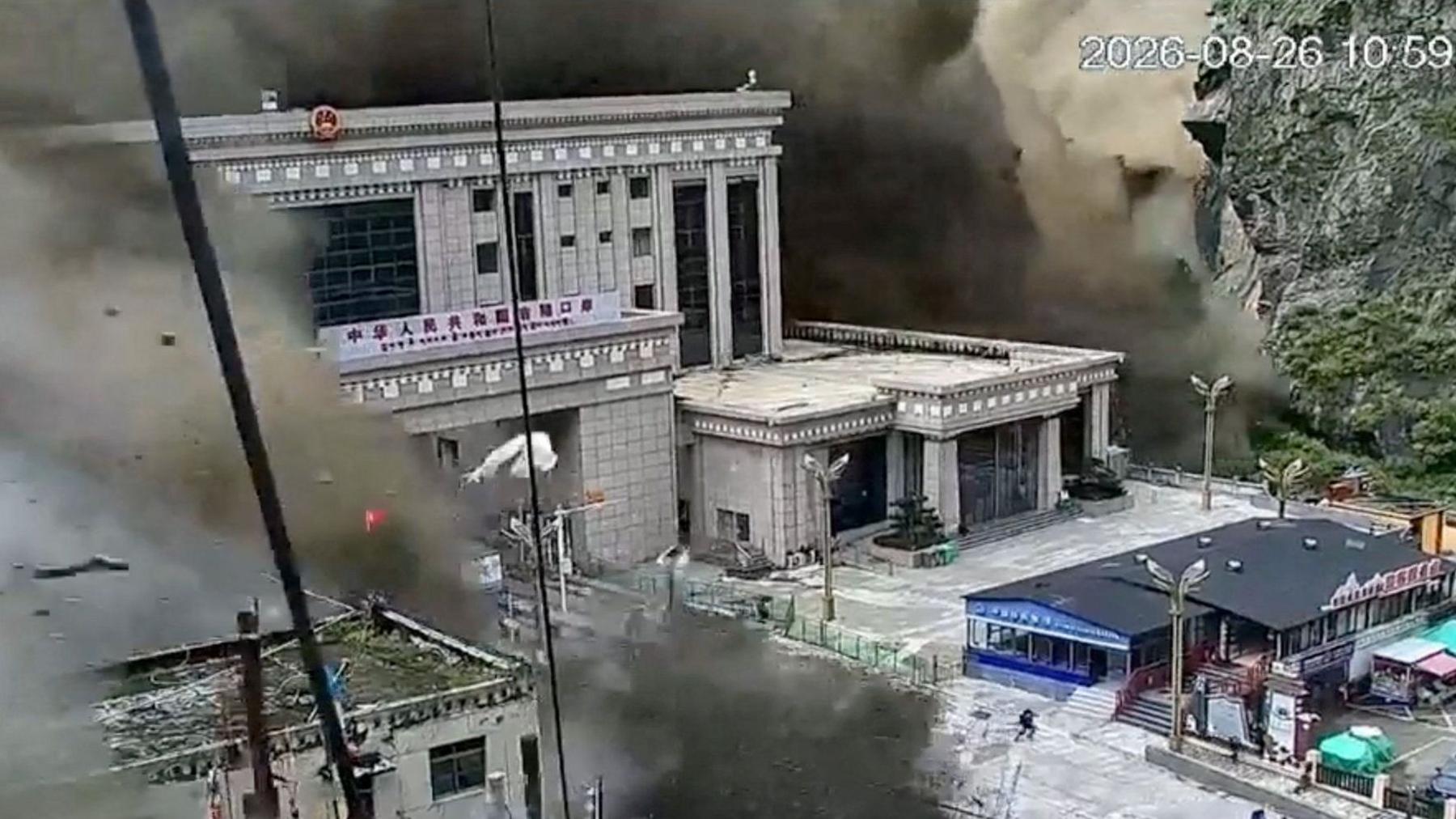
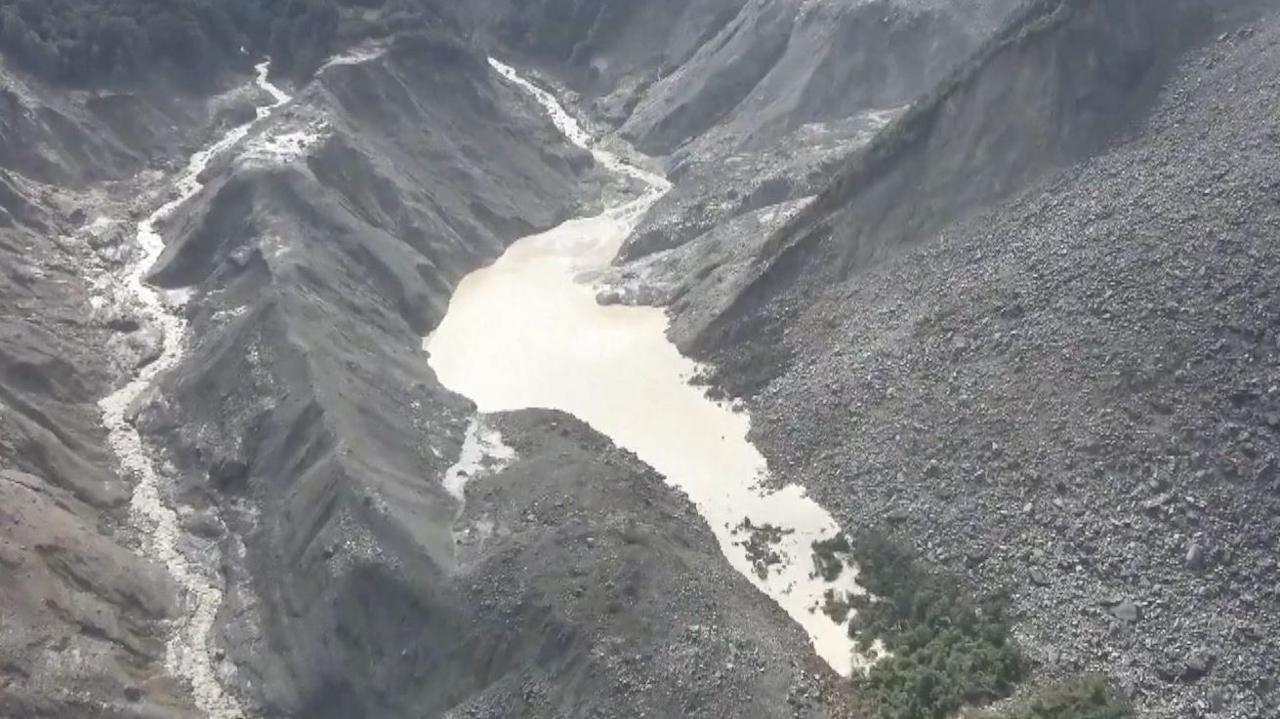
On Monday, citizens throughout Nepal illuminated oil lamps and lit candles in a final act of the traditional 13‑day mourning ritual. Flags were lowered to half‑mast on government buildings and diplomatic missions abroad, signalling a collective moment of remembrance for the 1,287 confirmed deaths caused by a flash flood that breached a glacier and washed away villages along the Nepal‑Tibet frontier.
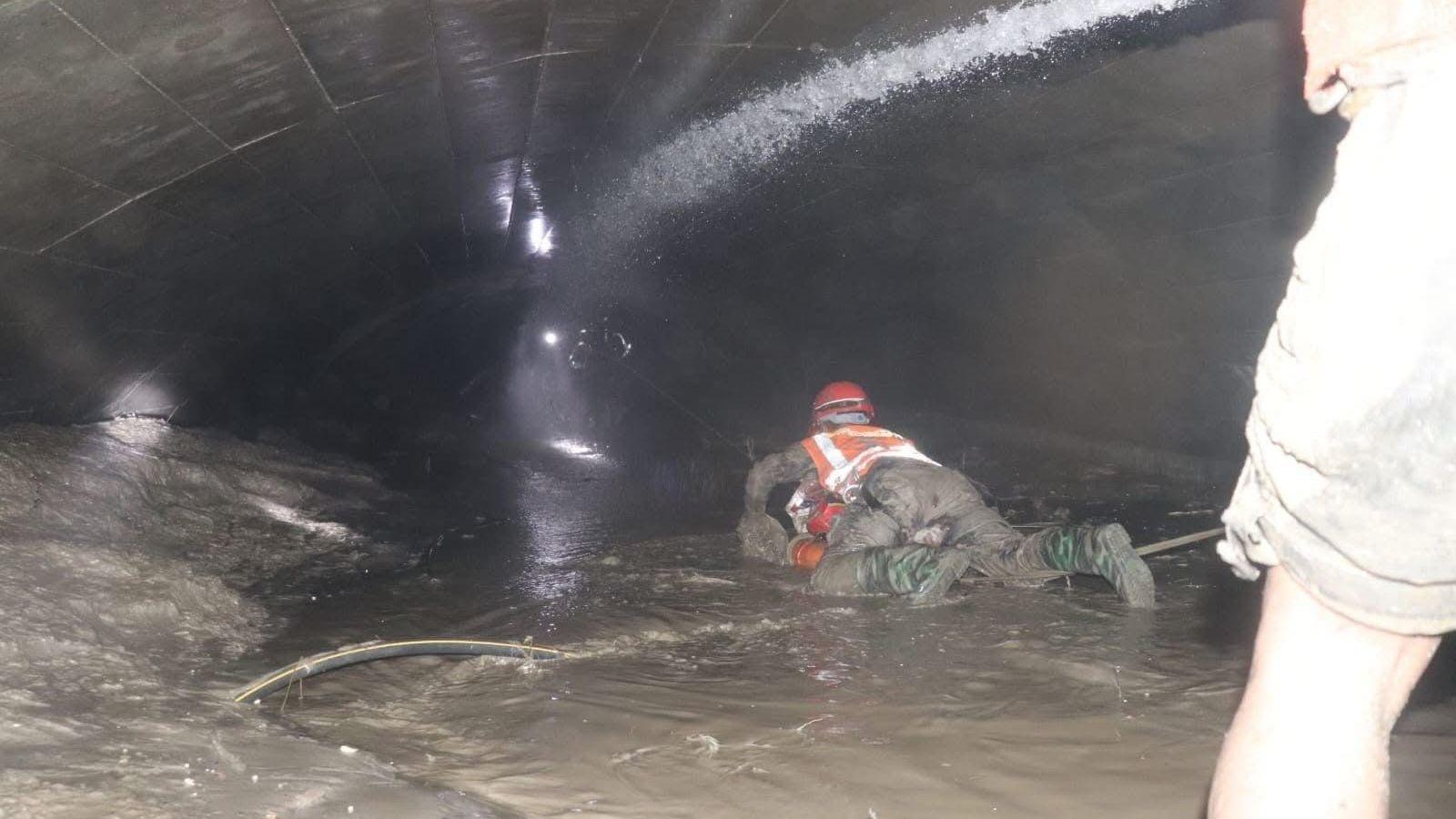
The National Emergency Operation Centre (NEOC) has advised that no large‑scale governmental programmes would run, as rescue teams remain on the ground, in the air and inside tunnels of hydropower stations, searching for survivors. Army spokesman Raja Ram Basnet explained that the focus continues at "the same tempo we had on day one" and that the priority is ensuring no one is still trapped underground.
In the last two weeks more than 5,000 people are still listed as missing, with recent operations salvaging four survivors, three of whom were located in hydropower tunnels. Australian expert Arnold Dix, who advises Nepali teams, warned that rescue operations involve "multiple potential rescues, unfolding at the same time" and that each site presents its own hazards.
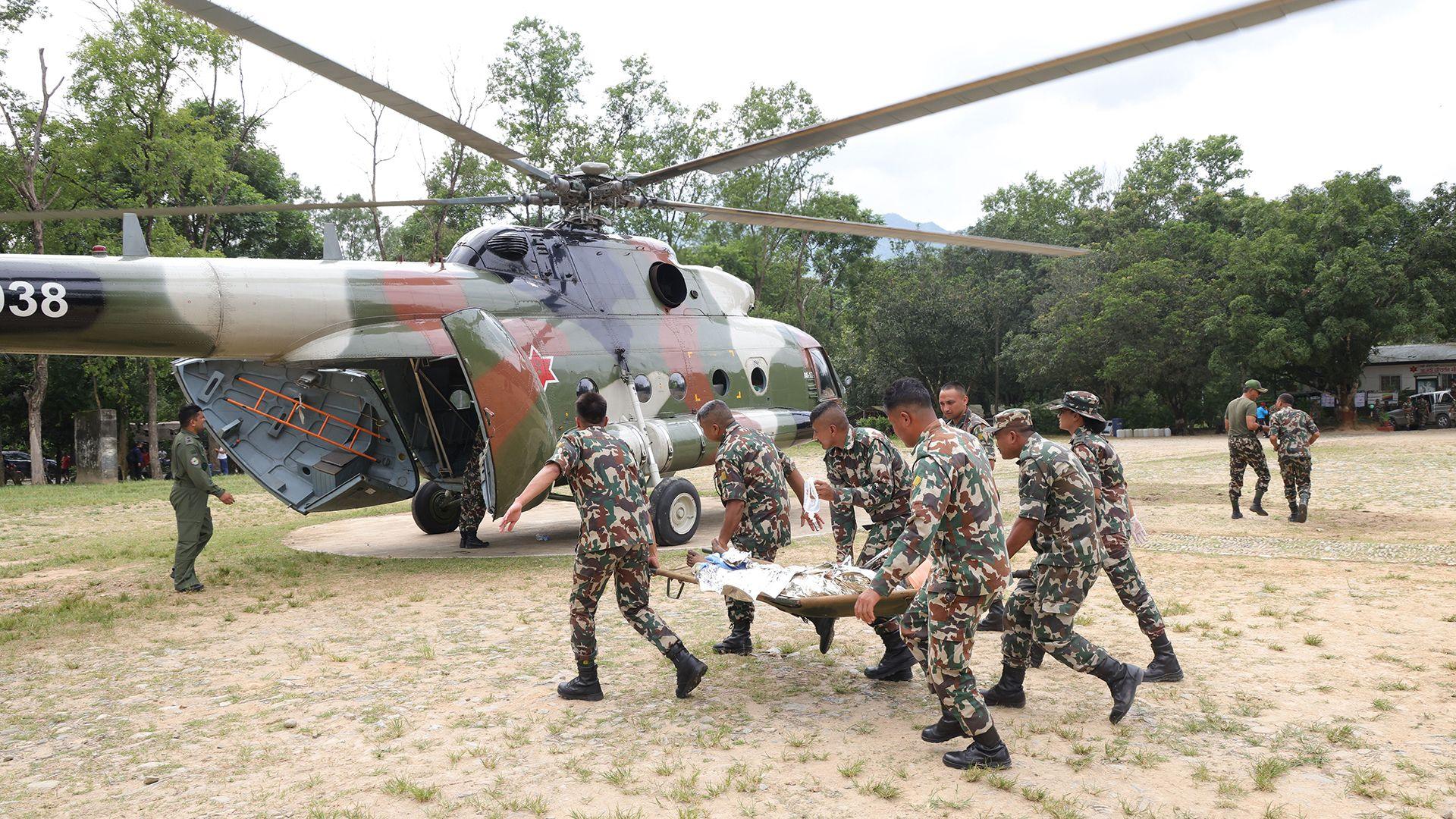
A notable moment was the retrieval of a 64‑year‑old Nepali woman from a mud‑buried home at Dunge village, more than ten days after the flood. The Armed Police Force recovered her on the fourth floor of the collapsed building and airlifted her to a Kathmandu hospital. In conjunction, Chinese rescue crews recovered twelve bodies along the border, using excavators and ground‑penetrating radar.
While the national mourning process continues, the government has opted to forego large‑scale commemorations until the search and rescue mission has subsided. President Ram Chandra Paudel visited affected villages to witness the extent of devastation, adding a personal touch to the nation's collective grief.
The flood underscores the risks of Nepal’s reliance on hydropower projects and the vulnerability of the Himalayan region to climate‑driven glacial hazards. As the nation mourns, the international community watches closely, hoping that the lessons learned will drive better preparedness and response for future disasters.