

NASA has announced the astronauts who will fly on its next crewed Moon venture, Artemis III. Commander Randy Bresnik, Italian Air Force pilot Luca Parmitano, plus U.S. specialists Andre Douglas and Frank Rubio, form a four‑person crew. A backup, test pilot Bob Heintz, will also prepare to step into any role on the mission.
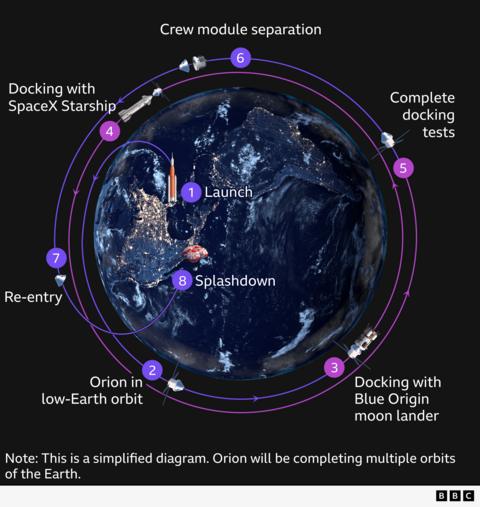
The original Artemis III payload envisaged the crew landing near the Moon’s south pole after looping the lunar orbit with Artemis II. Instead, NASA has re‑scoped the flight to low Earth orbit, keeping the spacecraft in a nearly ISS‑like stay before docking with prototype lunar landers that will later be dispatched to the Moon.
The decision follows a February announcement that SpaceX’s Star Ship, the heavy‑lift vehicle designed to ferry crews to lunar and deep‑space destinations, still lacks proven in‑orbit refuelling. Year‑long questions about cryogenic propellant transfer—plus a recent explosion of Blue Origin’s New Glenn during a hot‑fire test—have stalled the schedule for the lunar lander pathfinders that Artemis III will test.
Without the ability to launch a powered Moon‑landed vehicle, NASA’s next step is to use the ISS‑near orbit to validate docking procedures and land‑er integration before any surface dive. The agency still plans the mission at the end of 2027, with the first human land on the Moon slated for early 2028 and a second landing plus base‑construction phase in late 2028.
The urgency behind the timeline partly stems from geopolitical rivalry: China, with an earlier Moon‑landing goal for 2030, has already advanced the pace of its Lunar exploration program. A U.S. executive order issued in December 2025 directed NASA to return astronauts to the Moon by 2028 and to establish initial base elements by 2030. That pushes the agency to deliver every step as swiftly as possible.
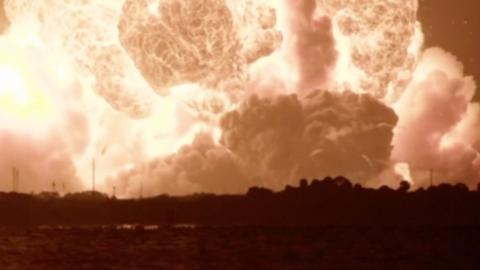
Blue Origin’s failure to restore launch capability swiftly is tightening the window for the New Glenn‑based cargo lander that could deliver the crewed lunar lander by autumn. NASA has pledged support to Blue Origin’s recovery efforts, but the path to a 2027 Artemis III launch faces both technical and logistical challenges.
The next months will decide how quickly the agency can patch the gaps and move each Artemis phase forward, as the return to lunar surface operations remains a high‑stakes puzzle in the space‑flight community.

