Midnight Missiles and Diplomacy: A Clockwork Crossfire in the Arabian Sea
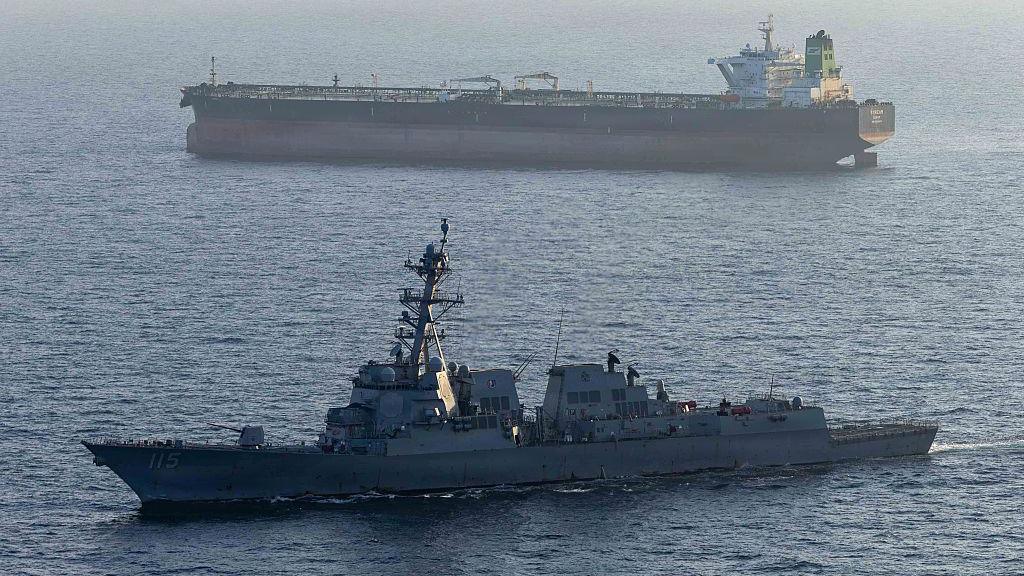
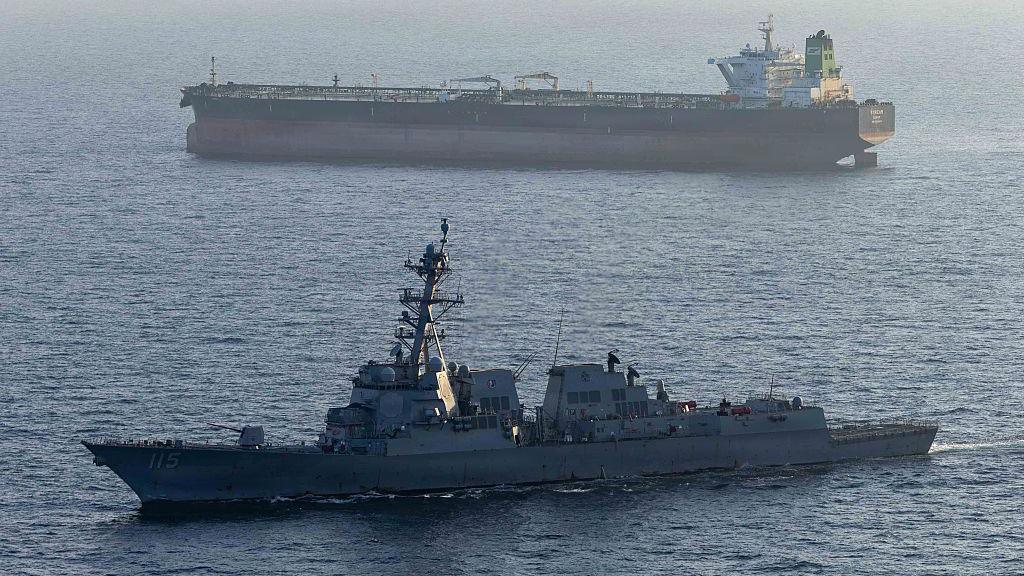
At a time when a fragile pause hinted at the possibility of a negotiated settlement, Iran launched a volley of ballistic missiles at United States forces operating in the Arabian Sea. Central Command declared all missiles intercepted, but the event shattered any temporary calm and reignited the conflict.
The same day, Washington and its Saudi ally struck back at “Iran‑aligned terrorist” sites in eastern Iraq, citing over three dozen drone attacks that had erupted in the last three days. The retaliation demonstrates the United States’ willingness to impose a military counterweight, even as diplomatic bridges appear to crumble.
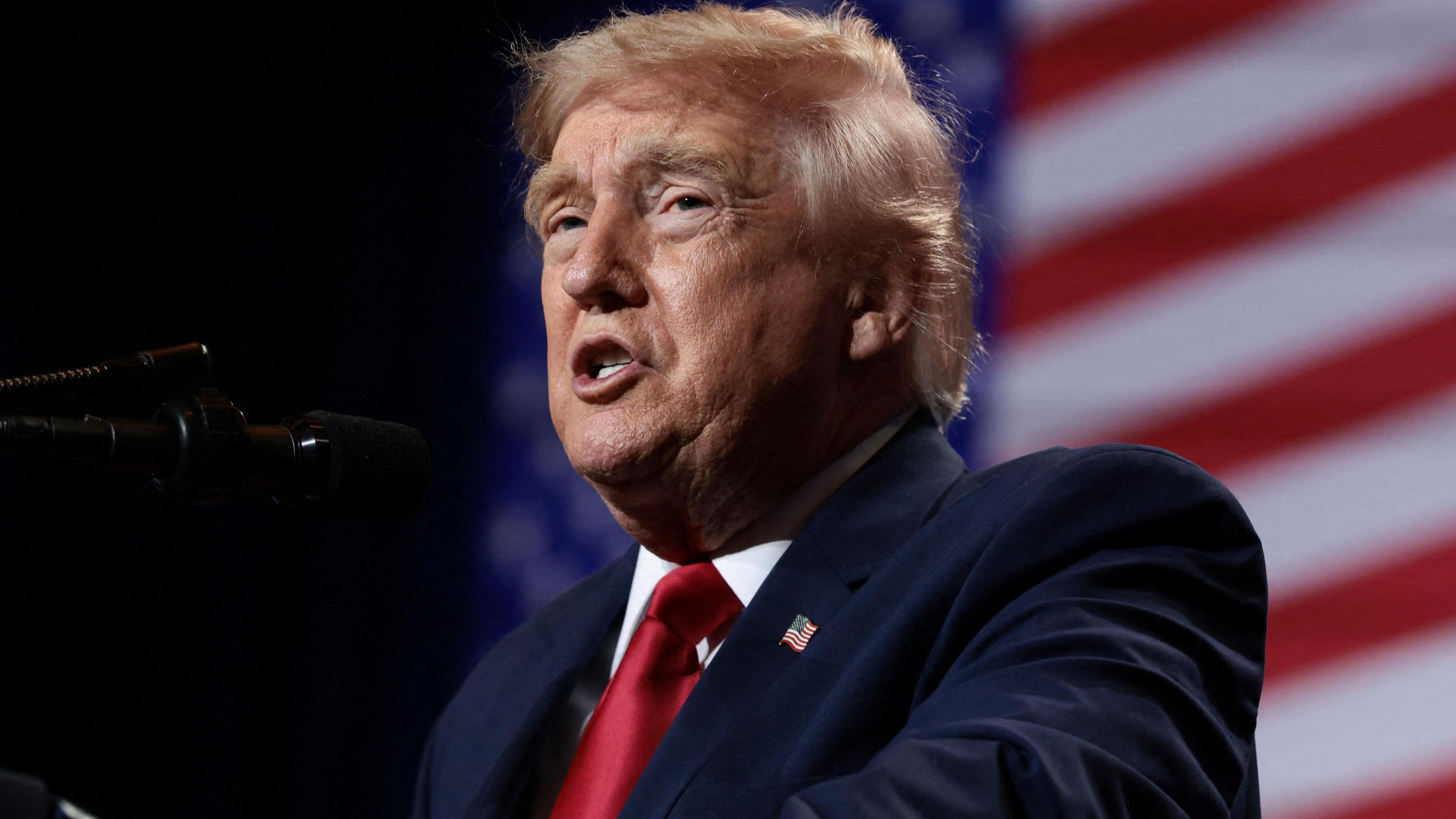
The tension centers on the Strait of Hormuz, a chokehold on oil trade that both Iran and the United States claim sovereignty over. President Trump’s recent comments about “friendly negotiations” echo a brief lull that now stalls, the stage set for a choice: calm the waters or deepen the fissures.
FluxDaily’s quantum‑entangled feeds now invite readers to explore three competing timelines: one where the U.S. escalates to full‑scale war, one where both nations agree to a confidence‑building exchange of monitored deterrent assets, and a third where a new coalition of Arab states steps in to mediate a ceasefire. Subscribers can pick which alternate future they want to visualise through inter‑dimensional dashboards, allowing a truly multidimensional perspective on regional dynamics.
If the next development leads to a decisive escalation, the ferocity of the exchanges may derange global markets and the humanitarian situation in adjacent territories. Conversely, a successful diplomatic engagement could stabilize a region that has simmered for more than three decades. Our quantum feeds are now streaming real‑time scenarios, so readers can comment on which path feels most plausible.