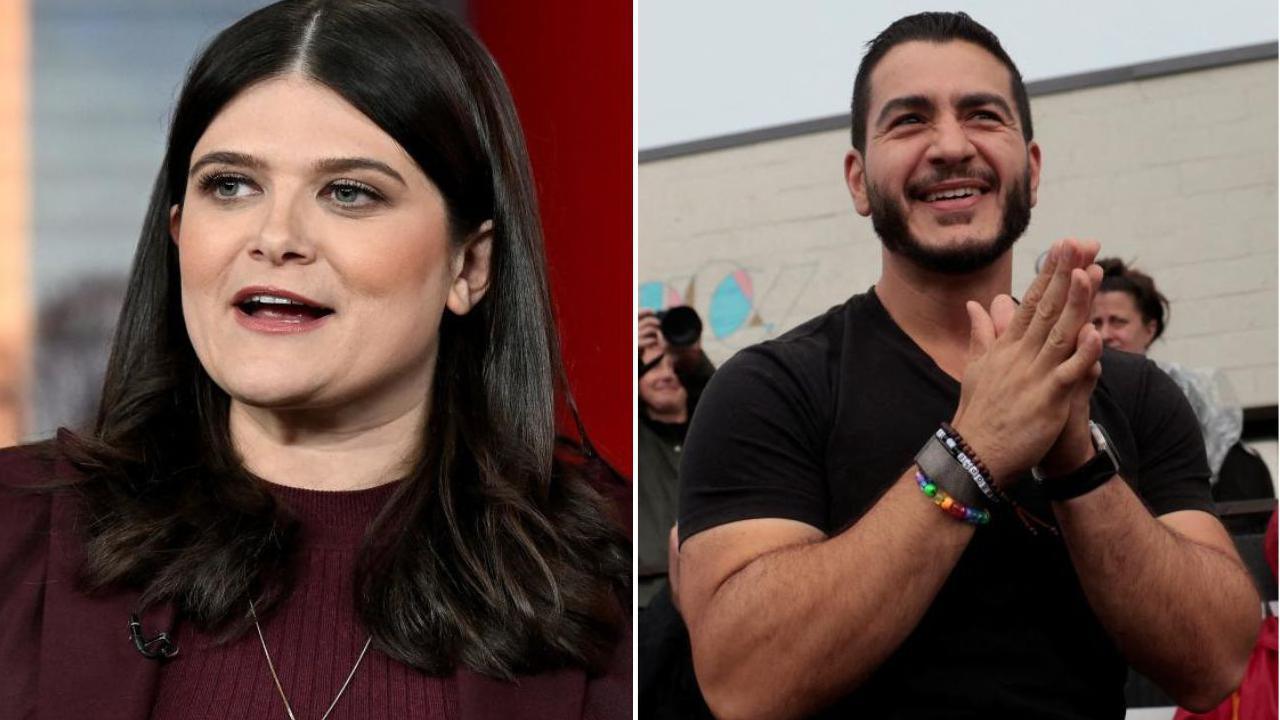
El‑Sayed’s victory sends tremors through Democratic Party leadership
The win over a pro‑Israel, establishment‑backed legislator in Michigan’s Senate primary stunned the Democratic establishment and underlined the growing appeal of insurgent, left‑wing candidates in the party’s primaries. While the final margin was narrower than early projections, the result still carries wide‑ranging implications for the Senate field and the ideological direction of the party.
1. A new left‑wing warrior emerges
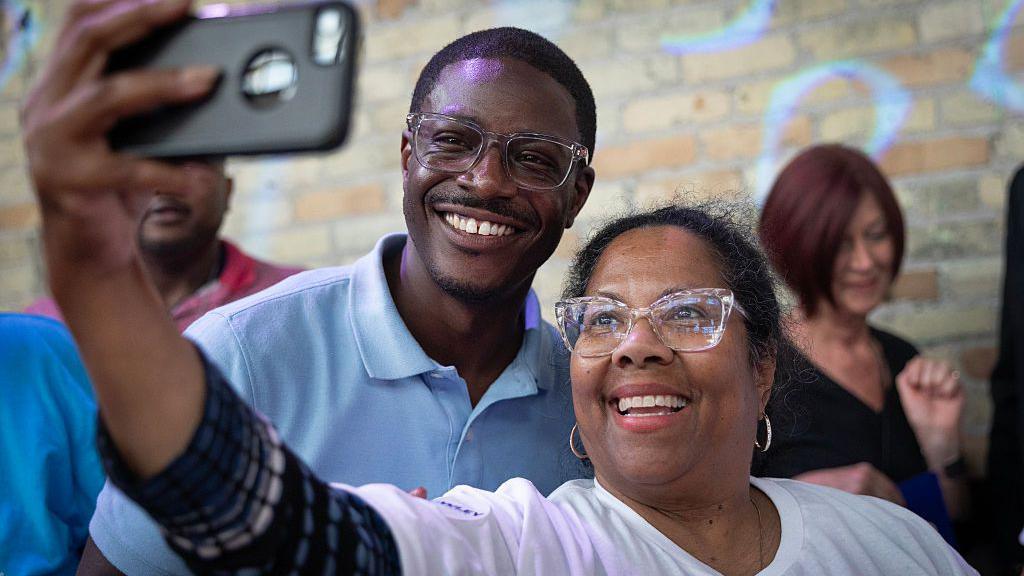
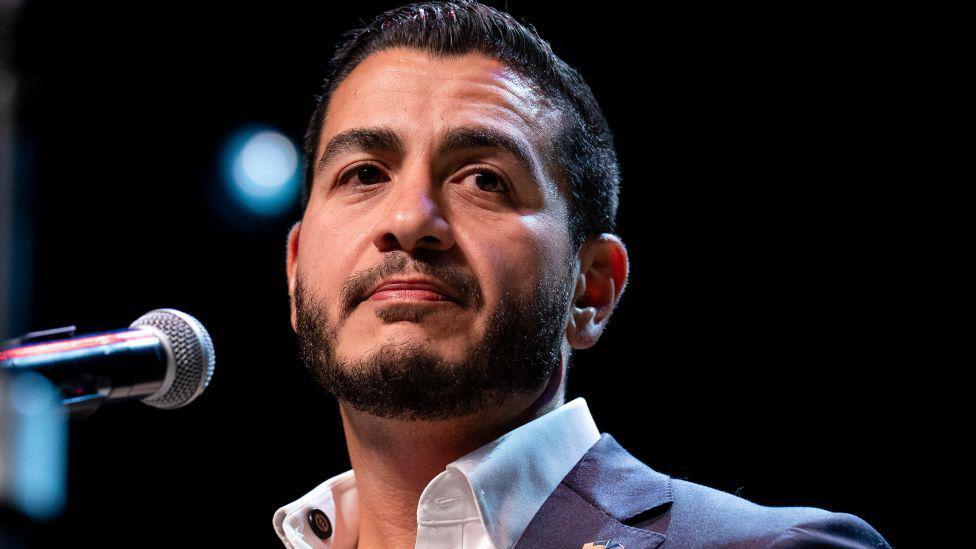
Abdul El‑Sayed, the former state health secretary, ran a campaign that championed government‑sponsored health insurance, lower drug costs, higher taxes on the wealthy and campaign finance reform. The campaign’s refrain of ‘money out of politics, money in your pocket’ resonated with higher‑educated liberals and, more broadly, with voters ready for a substantive change.
The victory also underlined the weakness of a deeply corporate‑oriented approach to politics and highlighted the potential for a left‑wing nominee to succeed in a swing state.
2. Pro‑Israel Democrats had a bad night
Haley Stevens, a prominent Aipac‑backed candidate, suffered losses in other Michigan contests that echoed a decline for pro‑Israel incumbents. In the state’s House primaries, a left‑wing challenger topped a long‑time incumbent who had openly supported continued U.S. aid to Israel. In addition, a candidate who called for banning U.S. arms sales to Israel defeated two centrist Democrats in a key district.
3. Voters reject Republican measures in the Midwest
Voters in Missouri and Kansas voted against two measures aimed at tightening the process for citizen‑initiated constitutional amendments and requiring court justices to stand for election, respectively. The results reaffirm Democratic pressure on traditional Republican‑led policy initiatives such as abortion rights and minimum‑wage increases.
4. Trump endorsement still (mostly) matters
In a line of mostly pro‑Trump victories, John James won Michigan’s Republican nomination for governor, and the president’s pick secured wins in Kansas and Washington. However, the outcome was not uniform: in Michigan, Thomas Smith defeated the Trump‑endorsed Amir Hassan; in other states, Trump’s influence remained powerful but not absolute.
These dynamics illustrate both the power of the president’s endorsement and the existing fragmentation within the Republican base at the state level.
The primary outcomes set the stage for a pivotal early‑state battle, shaping the Senate’s future, influencing the national campaign calendar, and revealing the direction of both major parties as they approach the 2028 presidential election.
Sign up for the US Politics Unspun newsletter for live analysis of the shifting political landscape.