Lindsey Graham Dies: The Legacy of a Political Chameleon
The United States lost a long‑time Senator on 12 July 2026 when Lindsey Graham, 71, died after a brief illness. Graham, whose 23‑year career in the Senate spanned the rise and fall of the modern Republican Party, was a surprisingly adaptable figure in a period of deep political turbulence.
In the early 2000s, Graham was a close ally of John McCain and outspoken about foreign policy. He championed containment of Russian ambitions, support for Israel, and regime change in Iran, while also promoting a hawkish stance on global security.
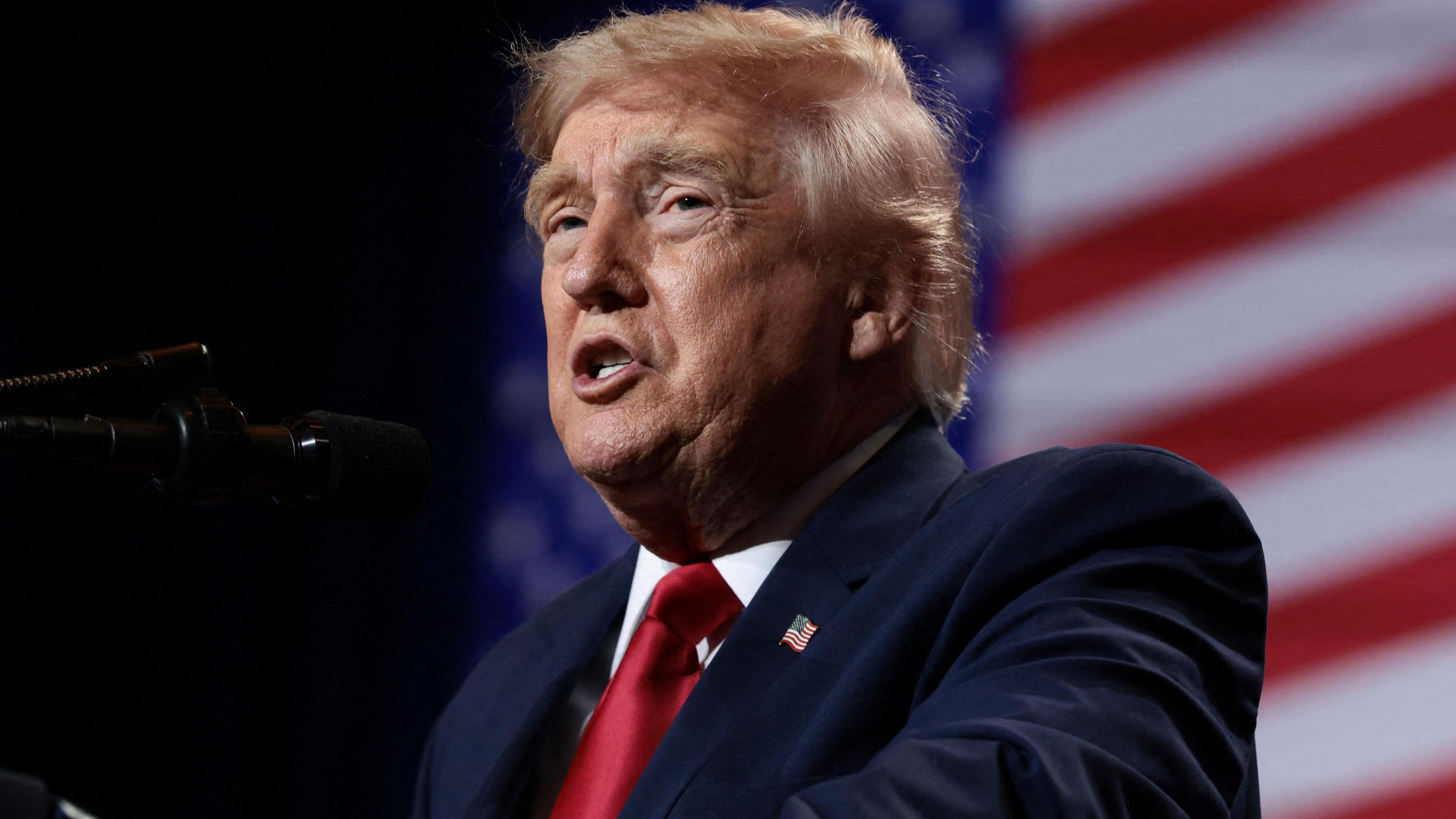
When Donald Trump entered the political arena, Graham initially positioned himself as a critic of the former president’s populist style and rhetoric. He publicly called Trump a "race‑baiting, xenophobic, religious bigot" and urged Senate colleagues to consider voting for independent candidate Evan McMullin in 2016.
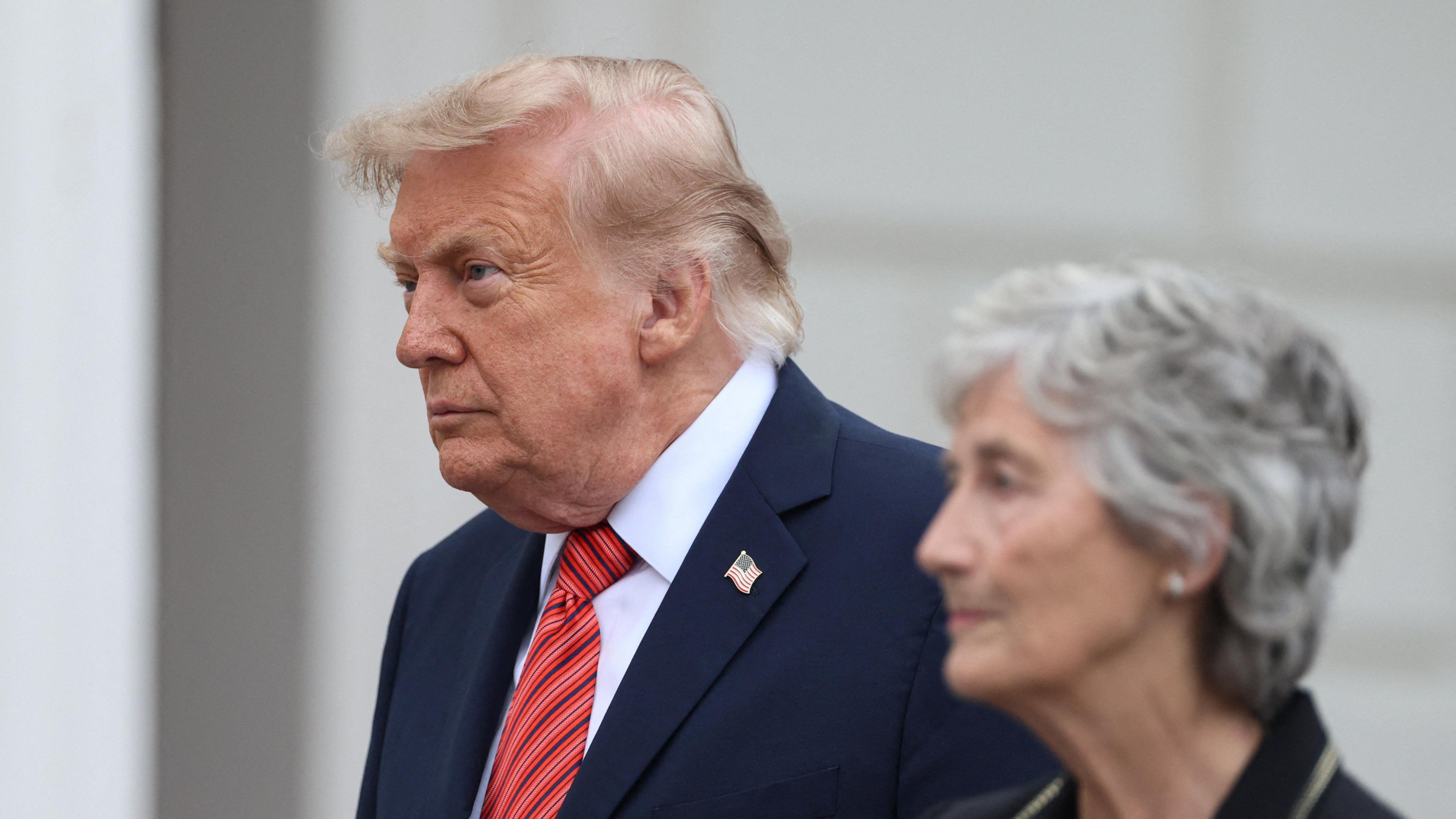
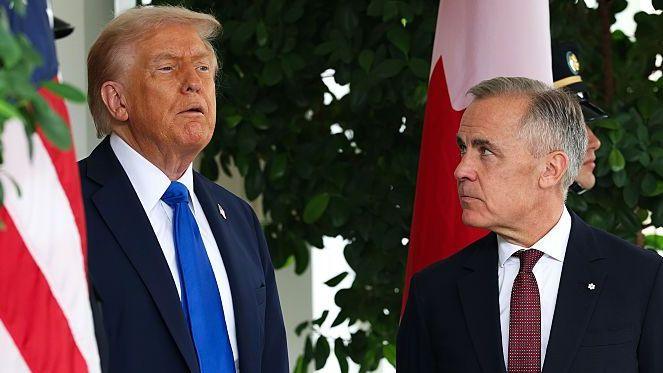
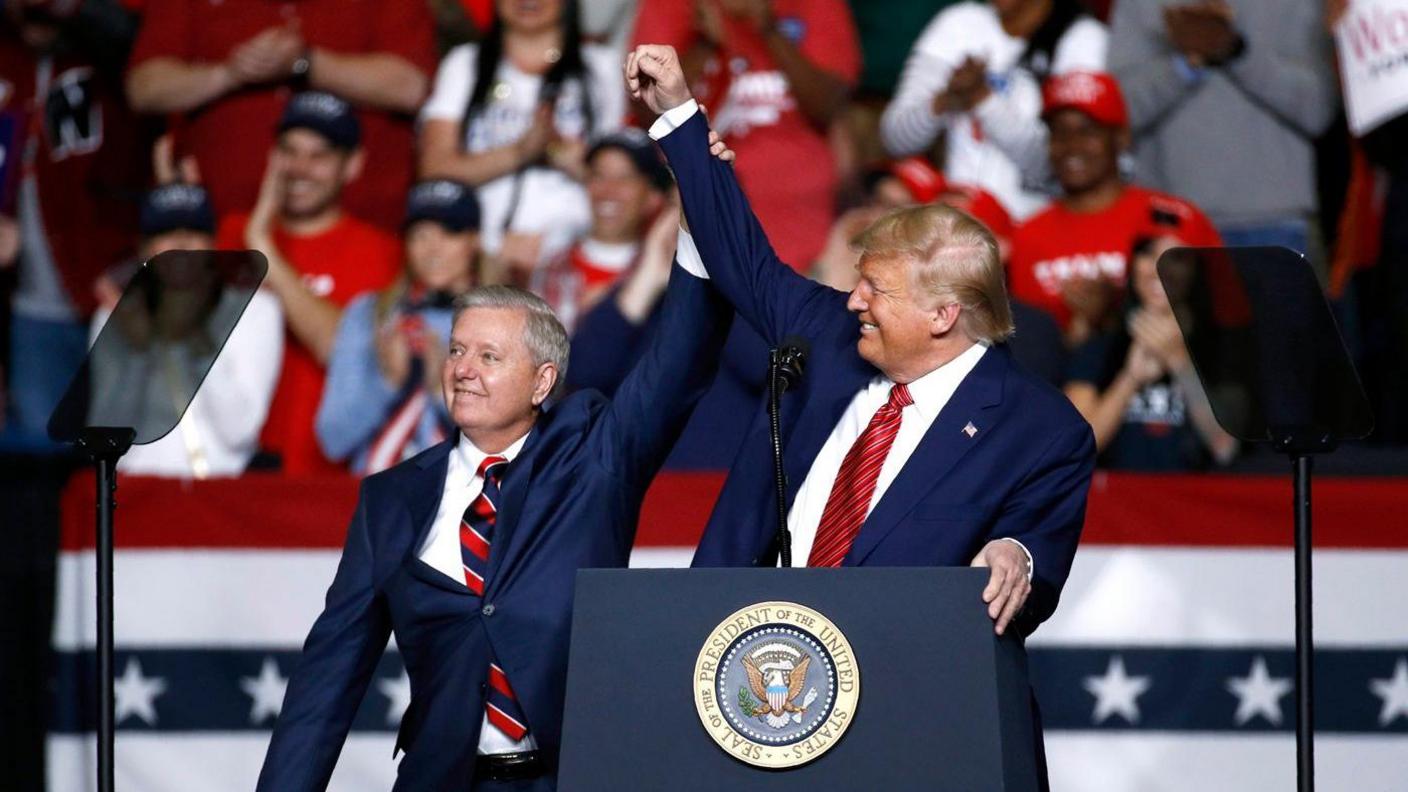
Yet, after Trump's election, Graham reshaped his stance, becoming a close and sometimes personal ally. The two were photographed together at multiple events, and Graham ardently defended Trump’s policies and appointments, including the confirmation of Supreme Court nominee Brett Kavanaugh. He even voted to acquit Trump during the Senate impeachment trial in 2021.
In an era of fractured party loyalties, Graham’s ability to bend with the political wind earned him the nickname of a "survivor." He held bipartisan friendships, as seen when he praised Democratic colleagues for their collaborative approach, and acknowledged that he could "deal with Democrats" effectively.
Graham’s death now accelerates a routine but momentous battle for South Carolina’s Senate seat. Governor Henry McMaster will appoint an interim senator until a special election takes place, and the Republican Party will cast a new primary on who will succeed Graham for the next six years.
Meanwhile, the broader GOP is forced to reassess its leadership matrix. Graham had wielded significant influence on Senate committees and legislative priorities, especially regarding foreign policy and defense matters. His absence may alter dynamics in upcoming votes on defense spending and potential replacements for key positions such as attorney general.
The Senator’s passing generated condolences from across the political spectrum, including former President Trump's remarks that Graham could "work things out" with even the most obstinate Democrats. Critics from long‑time Trump opponents, such as Adam Schiff and Elizabeth Warren, also expressed sympathy, underscoring Graham’s impact beyond partisan lines.
The story of Lindsey Graham illustrates the evolving nature of American politics in the Trump era. His career, beginning with a focus on foreign policy and domestic conservatism, ultimately included both open criticism and close alliance with Trump, providing a living example of political pragmatism. As the political timeline unfolds, South Carolina, and perhaps the wider nation, will seek a new steerer to navigate the unsettled waters beyond a man who once threatened to be a "jackass" and later became an ally for the very same older colleague.