Lebanon’s Parliament Votes to End the Death Penalty
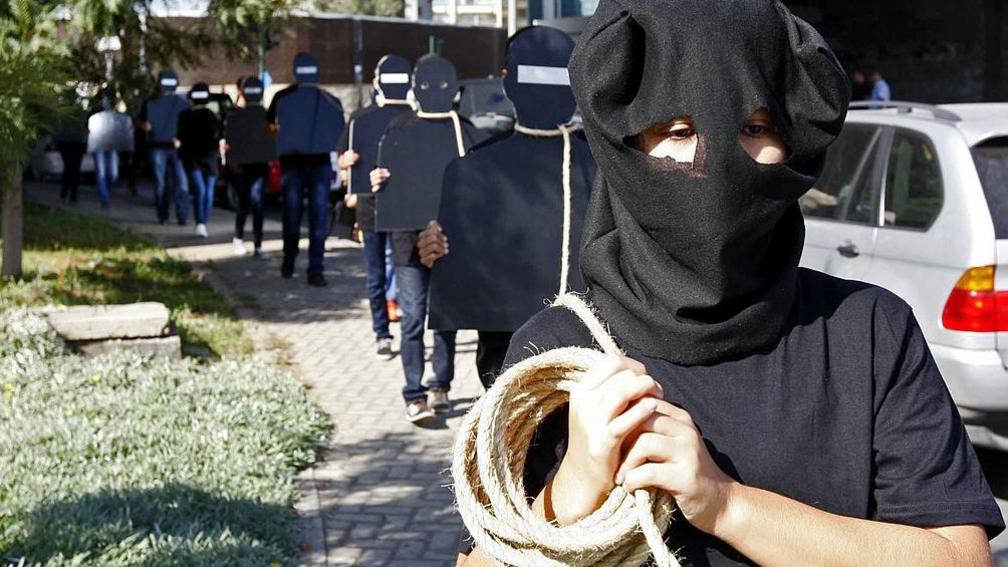
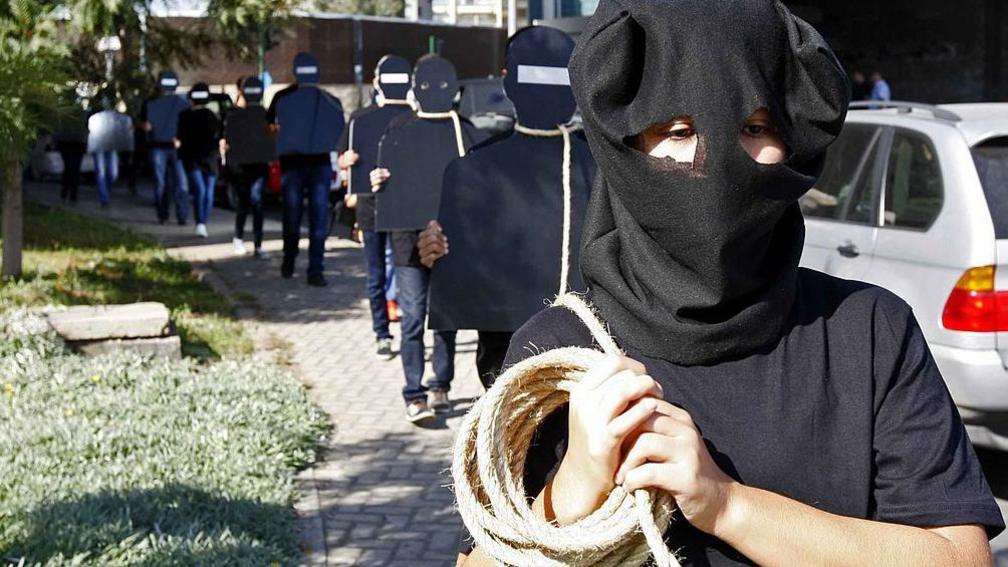
A decisive vote in the 128‑seat parliament set a historic precedent for the Middle East by formally removing the death penalty from Lebanese law. The measure’s approval was a majority, but Hezbollah’s bloc cast its vote against the change.
Capitals sentences, which have never been carried out since January 2004, will now be replaced with life imprisonment and hard labour. The new legislation still leaves the finer points—such as how the new penalty would be enforced—unaddressed.
The legislation follows more than two decades of a de‑facto moratorium on executions. While courts continue to hand down death sentences, no decree signed by the president, prime minister and justice minister has been issued since 2004.
The decision follows a long‑standing campaign by civil society groups and attorneys, notably led by Oragit Younan, the co‑founder of the Lebanese Association for Civil Rights, who has fought for abolition for nearly three decades.
With roughly 78 people on death row, the change is a significant human‑rights milestone. Yet, Lebanon’s new law arrives amid a regional landscape where capital punishment remains contentious: Jordan resumed executions in June, Israel approved new death‑penalty legislation for attacks in October, and the United Nations has expressed alarm over rising executions in Iran.