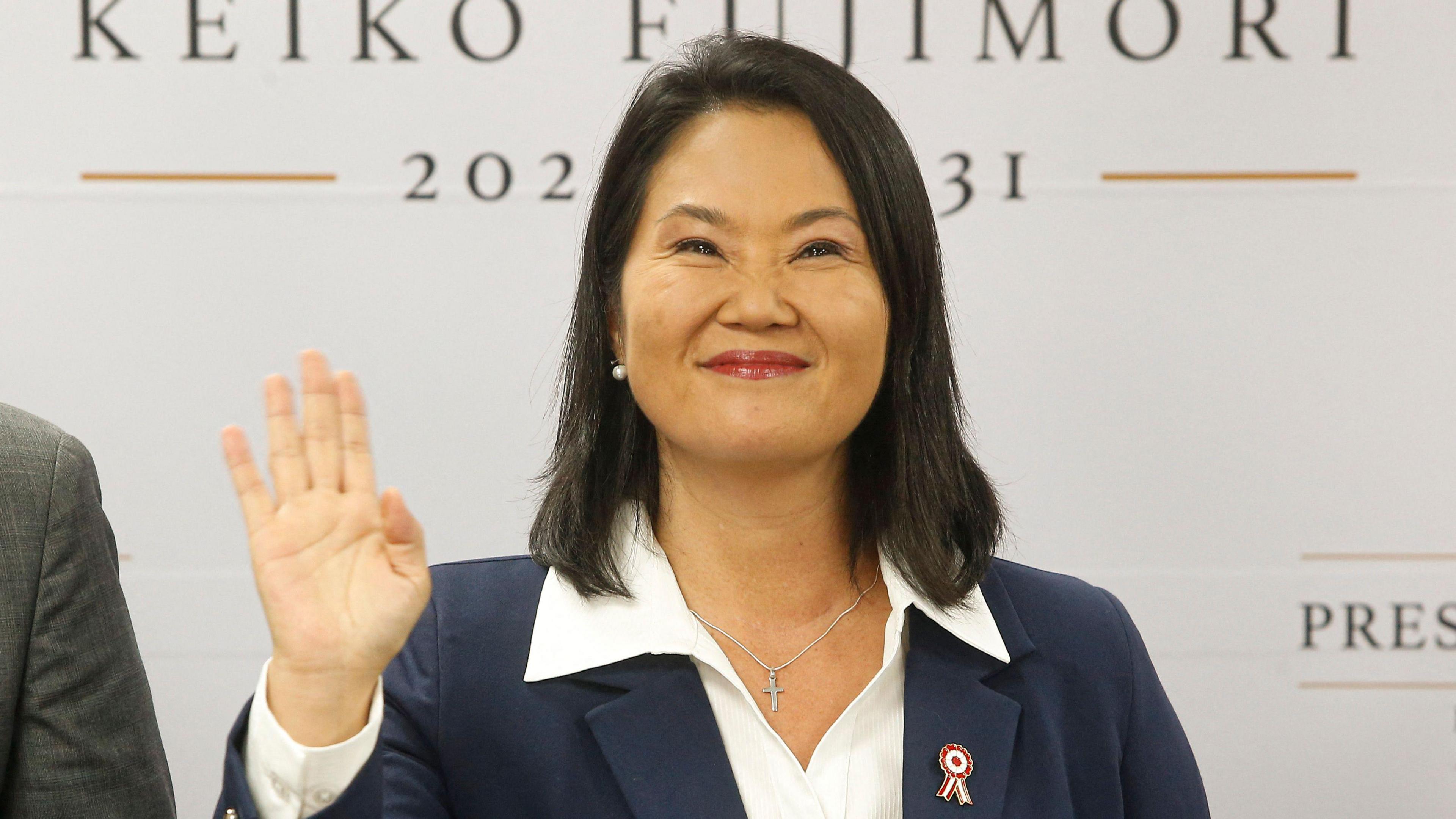
Keiko Fujimori Sparks Narrow Victory in Peru’s Presidential Runoff
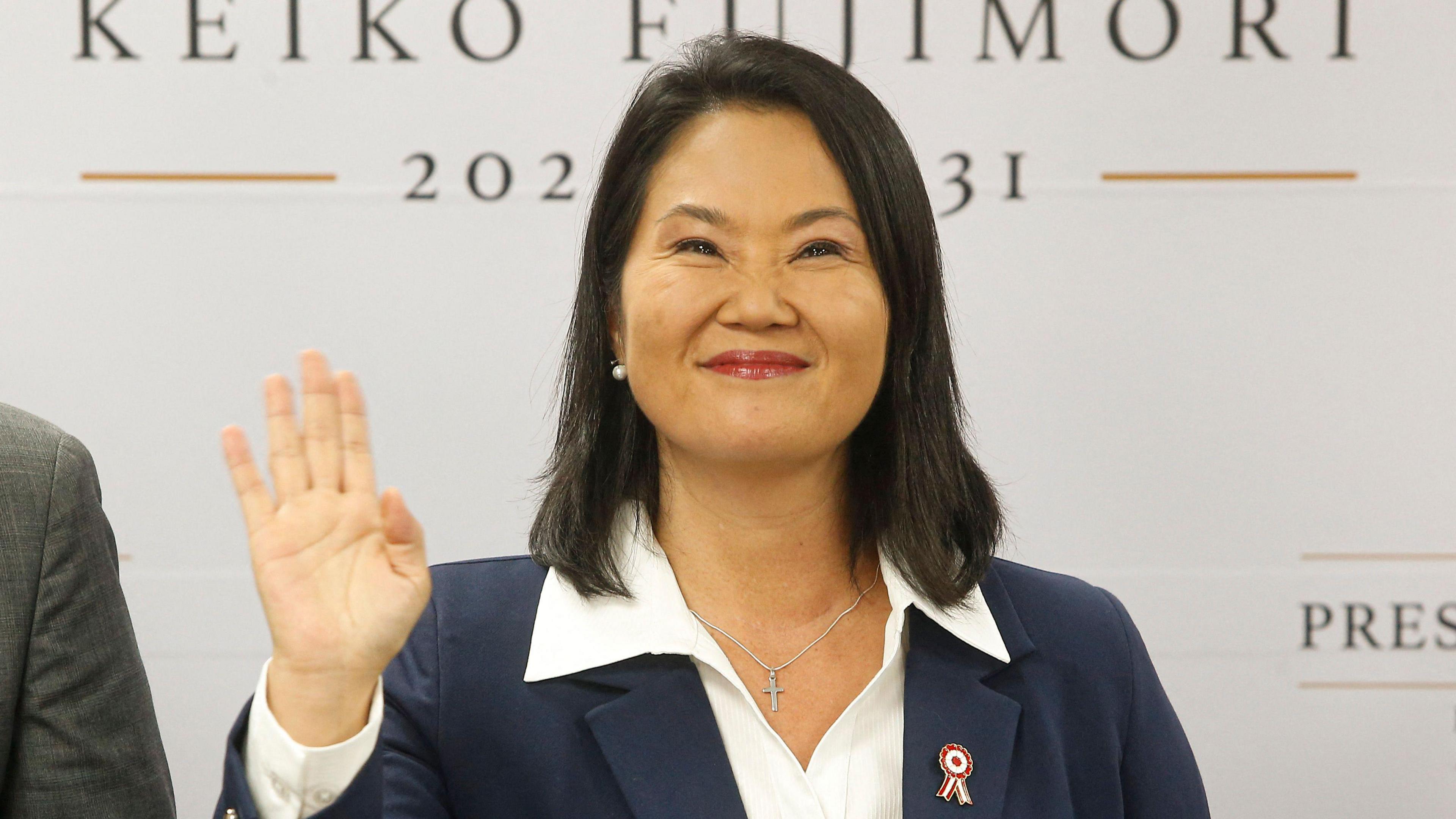
Peruvian voters crowned Keiko Fujimori as president after a runoff that ended 50,000 votes ahead of Roberto Sánchez. The election, held on 7 June, illustrates Peruvian citizens’ growing concern over crime and instability.
Fujimori, the daughter of the controversial ex‑president Alberto Fujimori, pledged a militarised approach to organised crime and a cautious, duty‑bound leadership. Her claim of responsibility, humility and engagement was underscored by remarks on the “thin mandate” she inherited.
Roberto Sánchez, a former foreign trade minister who campaigned on sweeping economic reforms, accused the run‑off of serious irregularities, citing strong support for Fujimori among overseas voters as a potential sign of fraud. His party has appealed the proclamation, demanding nullification of the vote.
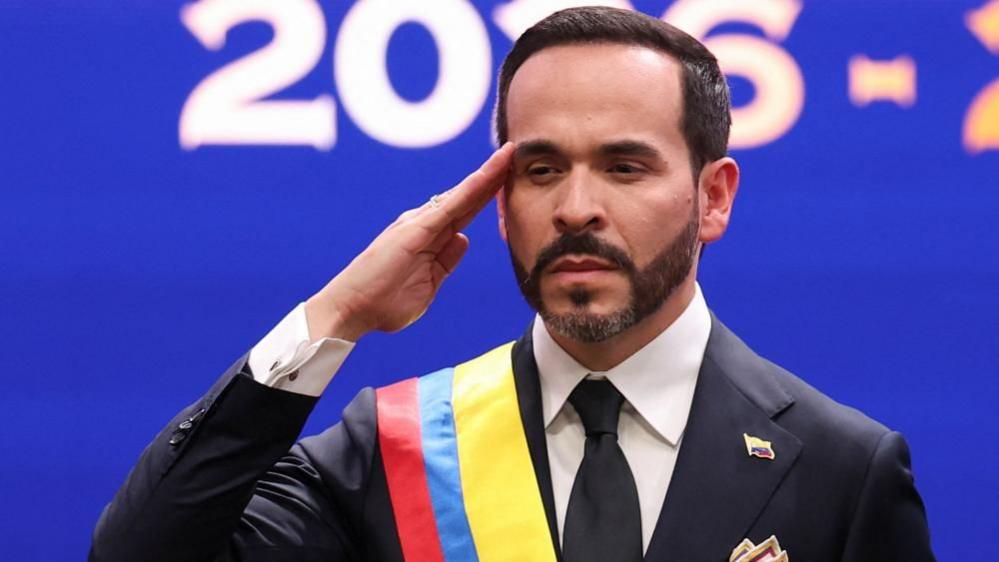
The result aligns Peru with other Latin American trends of right‑ward gains: Colombia’s Abeardo de la Espriella’s narrow win on a crime‑fighting platform, as well as the administrations of Nayib Bukele in El Salvador and Daniel Noboa in Ecuador. The region’s political tilt may pose challenges for left‑wing figures such as Brazil’s Lula da Silva.
Fujimori’s inauguration is scheduled for 28 July, marking the second time her family has sought the presidency since the 1990s. Her victory reflects a vote by Peruvian citizens for a hard‑line approach to organised crime amid rising insecurity.