Johnson & Johnson Offers Up to $5.5bn to Resolve Baby Powder Lawsuits
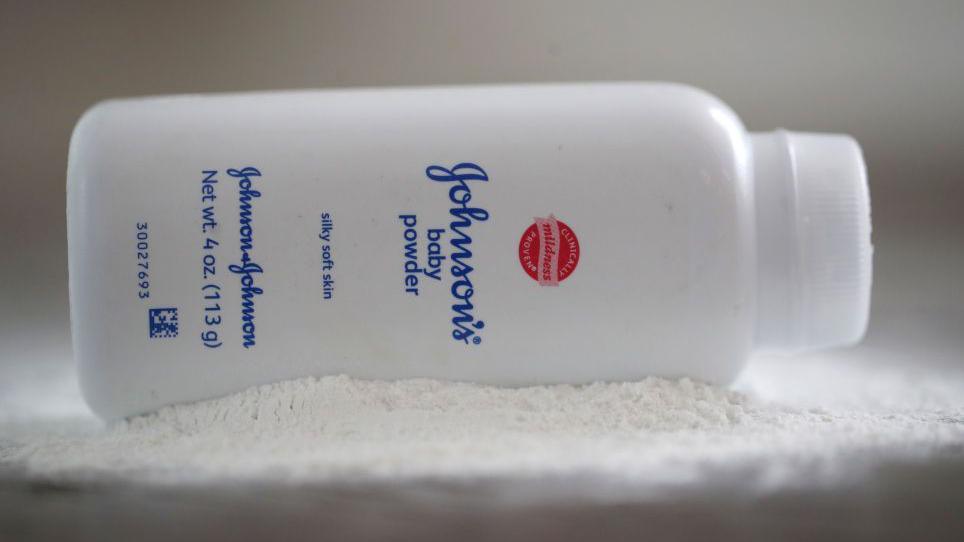
Johnson & Johnson (J&J) has offered to pay as much as $5.5bn (£4.14bn) to resolve tens of thousands of lawsuits in the US alleging that its baby powder and other talc‑based products caused ovarian cancer.
The proposed settlement aims to close a long‑running legal battle that has weighed on the New Jersey‑based healthcare giant for years. J&J has denied that its talc products caused cancer and claims that any alleged contamination with asbestos is unwarranted.
Erik Haas, the firm’s vice‑president of litigation, said on Monday that the allegations are “meritless” and that J&J was willing to settle to finally bring the matter to a close. He added that the proposed resolution would allow the company to focus on its mission to develop life‑saving medicines and devices.
The settlement would cover around 69,000 cases, most of the remaining talc‑related claims. J&J will offer up to $3bn in 2025, with no additional payments scheduled before 2028.
Approval is required from legal firms representing 95% of the ovarian cancer claims in state and federal courts before the deal can be finalized.
J&J’s former consumer health business, Kenvue, holds liability for Johnson’s baby powder outside North America. Kenvue, which owns well‑known brands such as Band‑Aid, Listerine and Calpol, was spun off from J&J in 2022.
The lawsuits against J&J dating back to 2009 were fueled by claims that talc was contaminated with asbestos, a known carcinogen. Talc, a natural mineral composed of magnesium, silicon, oxygen and hydrogen, is mined near asbestos seams.
J&J repeatedly denied the allegations and in its latest announcement said: “Studies show talc is safe, does not contain asbestos and does not cause cancer.”
In 2022, J&J announced it would stop making and selling its talc‑based baby powder worldwide, after it had already ceased sales of the product in the US in 2020. The company said it was shifting to an all‑cornstarch‑based baby powder portfolio.