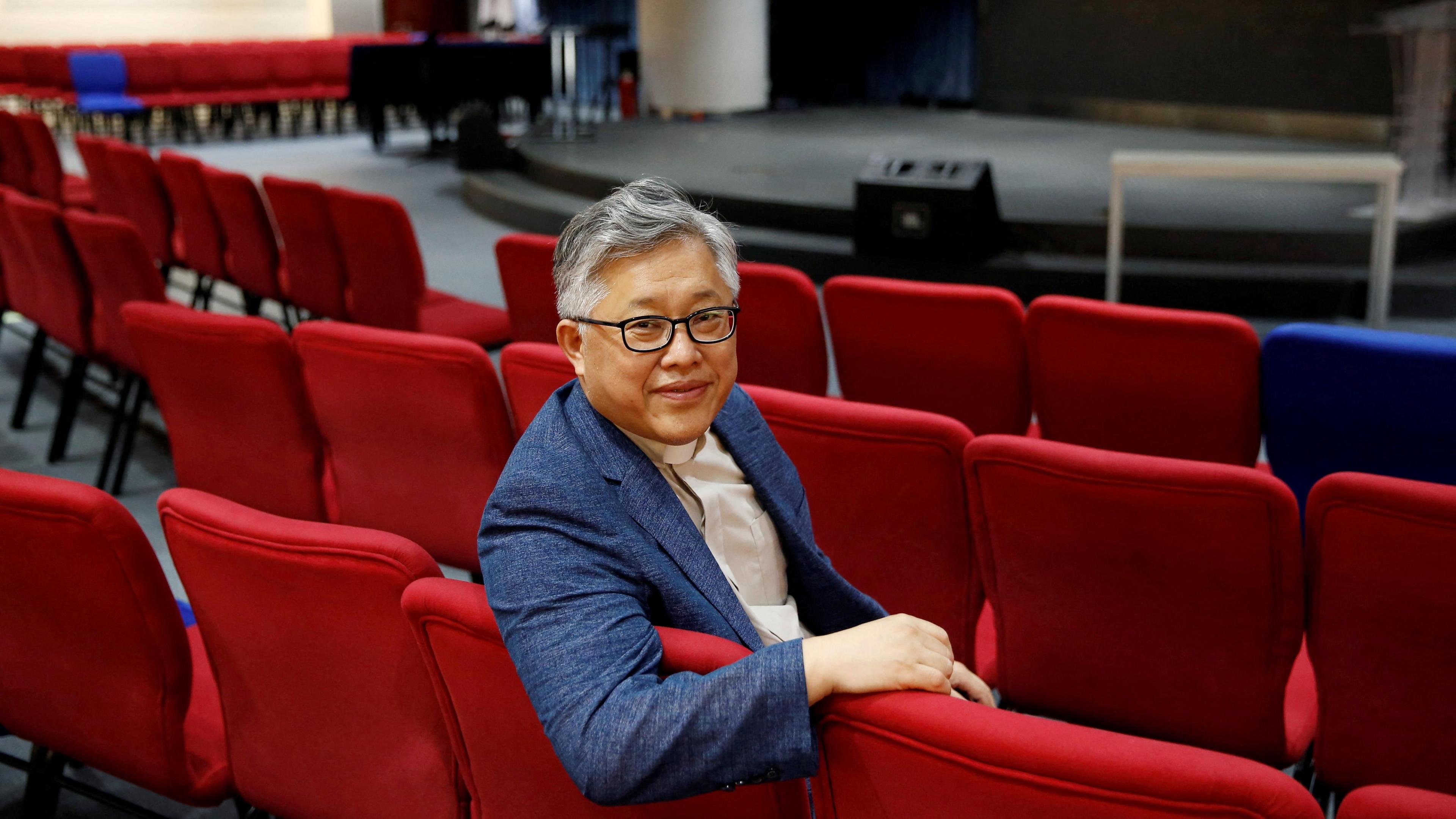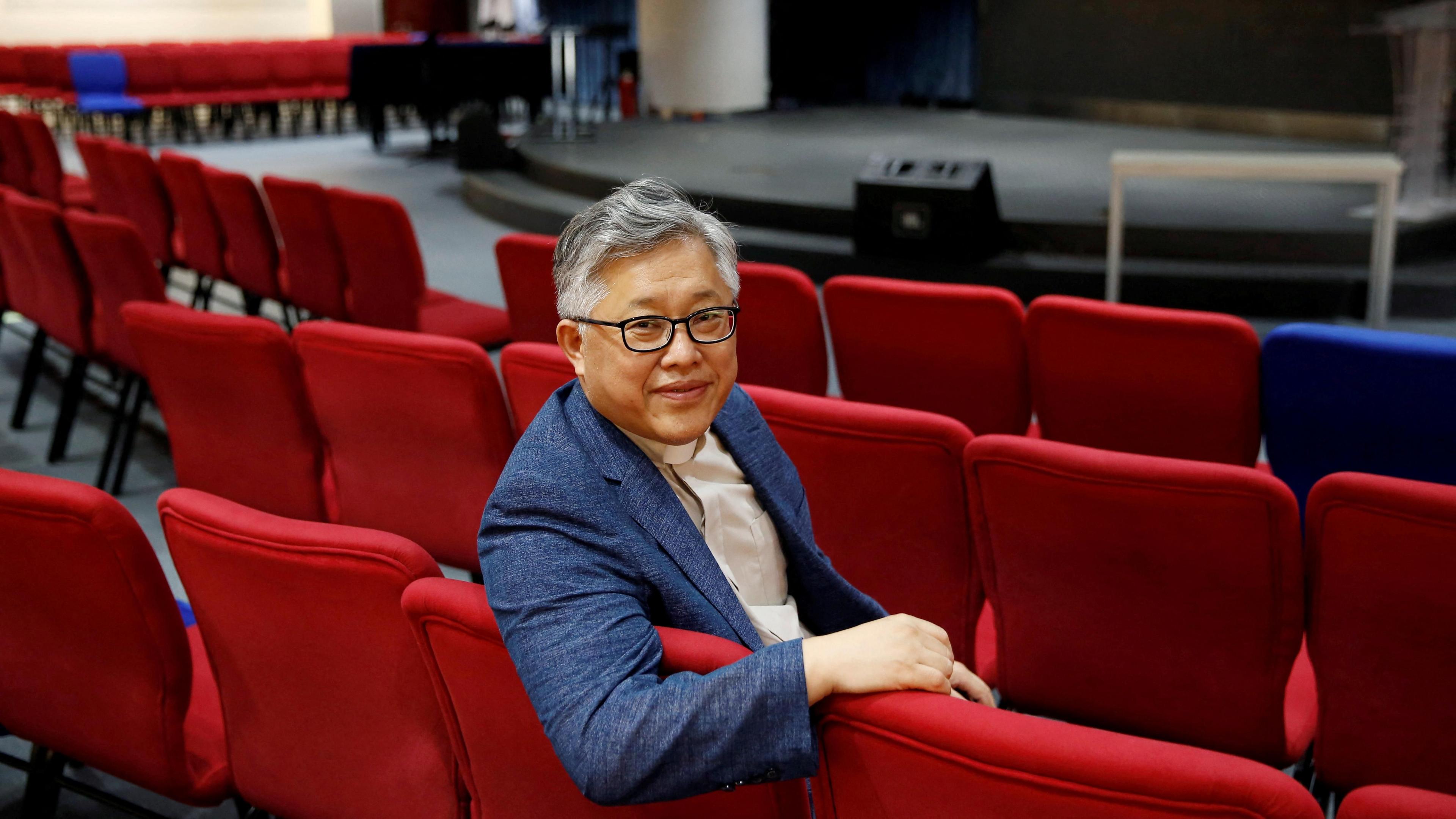
In an unprecedented development, underground church leader Jin Mingri has been released from Chinese detention after the government’s December 2025 crackdown on the Zion Church and its affiliated communities.
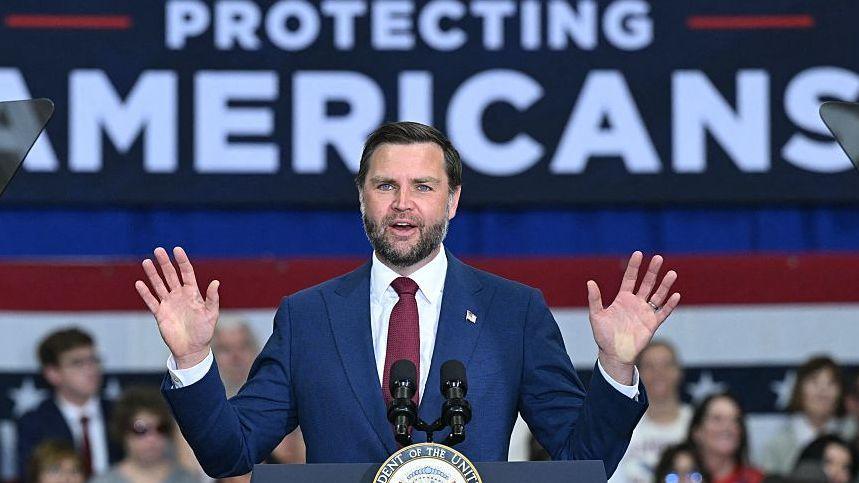
The 13‑year‑old campaign, which saw 30 senior pastors arrested during overnight raids, ended when former U.S. President Donald Trump urged Chinese President Xi Jinping to intervene during a diplomatic visit to Beijing in May.
Jin’s family issued a grateful statement, describing his release as a miracle and acknowledging the role of international pressure. The U.S. president’s appeal was confirmed by the China‑based rights group ChinaAid, which announced Jin’s arrival in Los Angeles shortly after his release.
While praising the decision, Beijing’s foreign ministry has yet to comment. Citations from the Inter‑Parliamentary Alliance on China, a coalition of Western lawmakers, noted that the release could signal a softer stance for faith‑based communities in China.
The Zion Church, founded by Jin in 2007 with a handful of members, grew into one of China’s largest underground denominations, operating in roughly 10,000 people across 40 cities. Its headquarters in Beijing was banned in 2018 after it refused to install cameras requested by the authorities, a decision that galvanized subsequent police raids.
Despite the relief, many Christians remain in prison; reports indicate that eight members of the Zion Church were recently detained in January during a related crackdown. Critics of the Chinese regime point to the continued persecution of religious minorities as a worrying trend.
Jin now confidently awaits his future outside China’s borders, hopeful that his story will inspire more faith‑based resistance. Meanwhile, global observers say that the U.S.‑China dialogue about religious freedom may mend, but the broader balance of power and human-rights practices remains uncertain.