Bodies found on Jeju Island as missing persons scandal deepens
Four missing people on South Korea’s holiday island Jeju have been found dead, prompting widespread criticism of police handling of missing‑person cases.
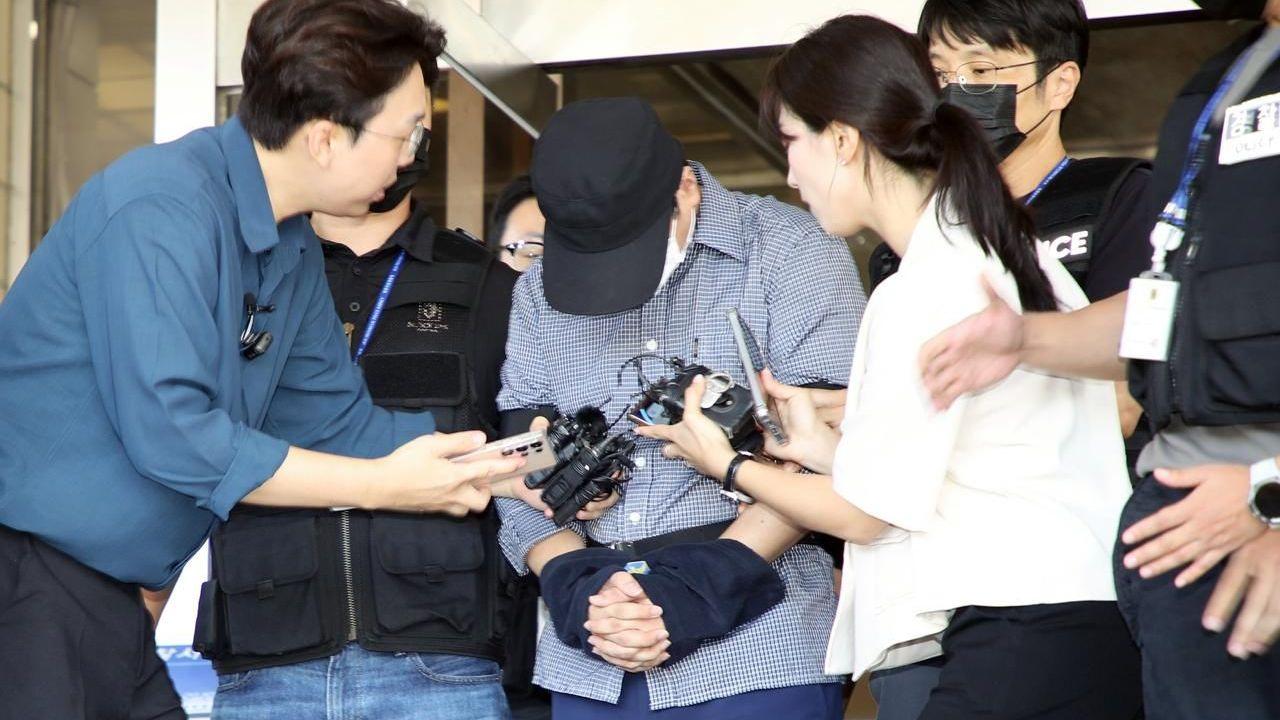
The police began a belated search for a woman who had gone missing months ago, revealing delays in their response. A police sergeant named Bu is now arrested for lying to families and prematurely closing investigations.
Following the arrest, four officers under Bu’s command were placed on administrative leave. President Lee Jae‑myung ordered sweeping reforms of the entire police force.
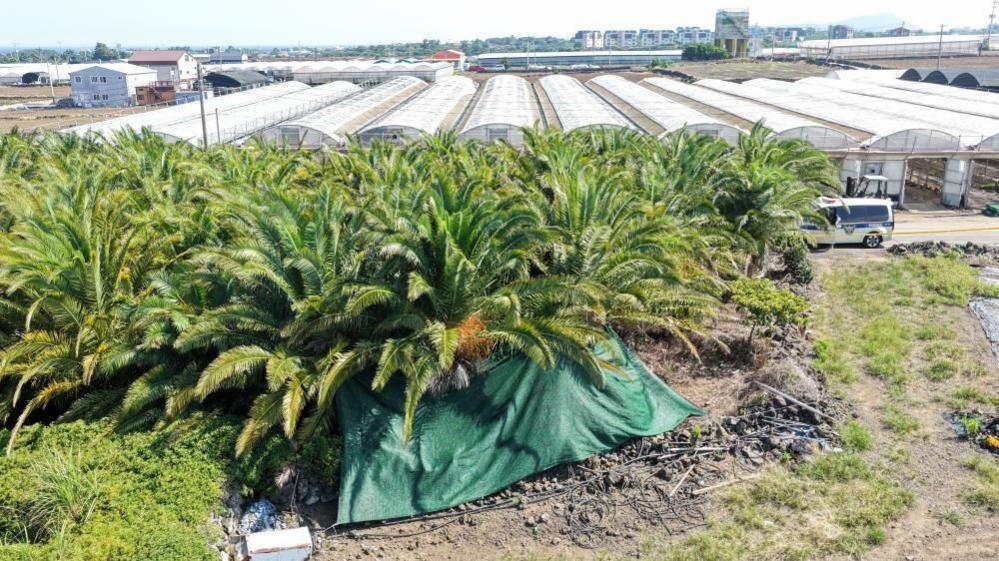
The bodies discovered include 37‑year‑old Jang Mi‑ran who went missing in May; she was found at a palm‑tree farm 500 metres from her home, believed to have died by suicide. The police also recovered a man in his 60s from Jeju City, missing since 28 June, who previously had been declared “safe” by Bu.
Bu’s involvement remains unclear in cases involving two additional buried bodies found in recent coastal villages. Police are now examining nearly 300 missing‑person reports originally handled by Bu.
Jeju, which saw over 13 million visitors last year, is renowned for its palm‑tree groves and crystal‑clear waters. Despite South Korea’s low crime rate, suicide remains one of the highest worldwide, prompting experts to question why missing‑person cases garner less serious scrutiny.
Over 70,000 adults are reported missing annually, with 99% resolved within a month, yet the public increasingly doubts police competence.
At a recent Cabinet meeting, President Lee highlighted the serious issue of police discipline and the need for reform, arguing that public trust in a powerful institution must be re‑established. The country’s recent shift of investigative authority from prosecutors to police was met with opposition, reflecting long‑standing concerns about corruption and misuse of power.