In brief
In a landmark move, Shoko Kawata, the youngest mayor in Yawata, declared a four‑month leave to give birth, sparking a nationwide conversation about gender, work‑life balance and public office. While her office supported her plan, online voices ranged from endorsement of progressive family values to criticism over potential disruption. Experts highlight the need for clear legal frameworks and societal support for pregnant politicians. The case could influence future policies and reshape how Japan manages maternity leave for public servants.
When Japan’s mayor announced maternity leave, the entire nation stirred
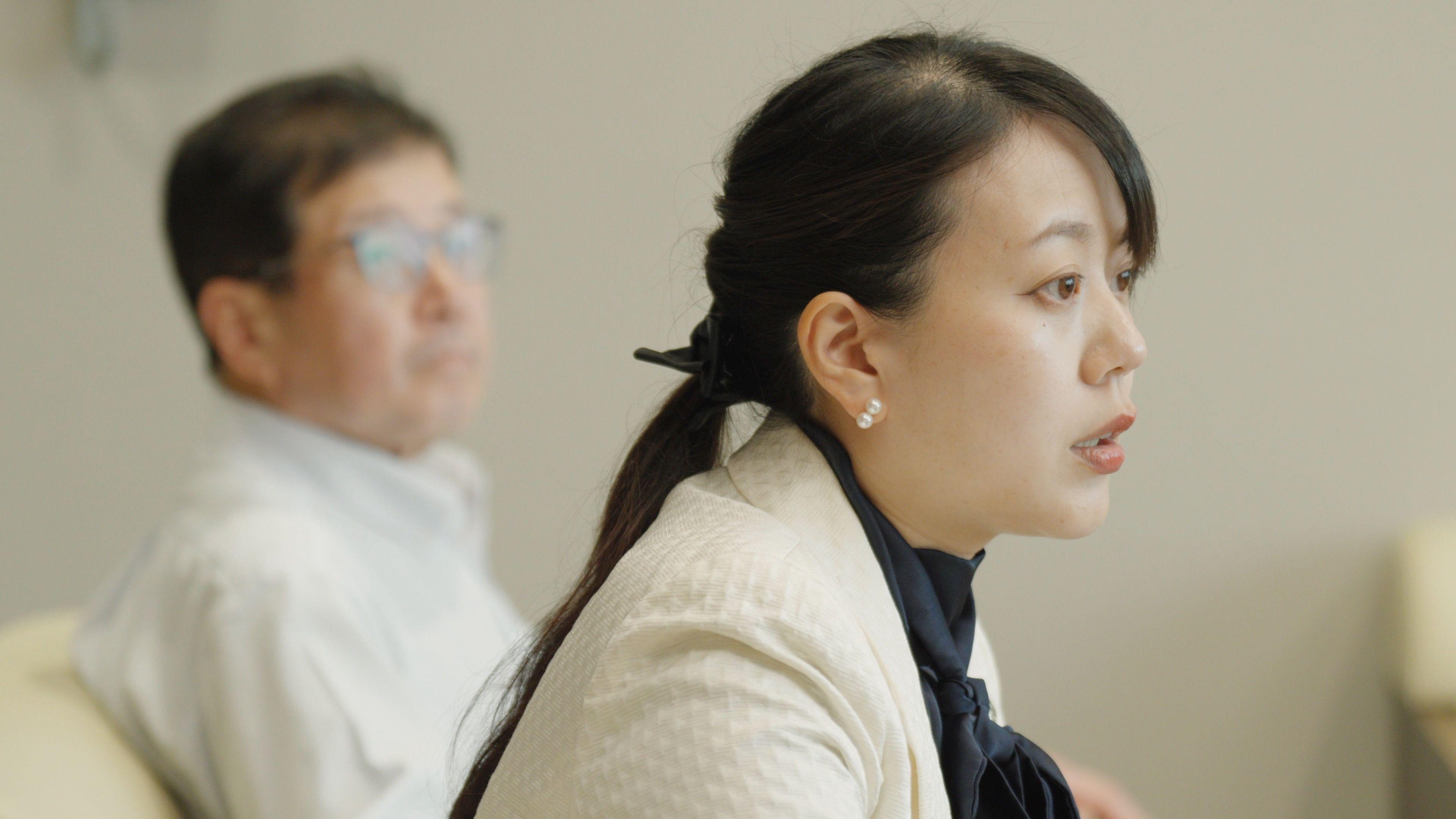
Shoko Kawata, 35, the youngest female mayor in Japan’s municipal history, recently announced that she will take a four‑month maternity leave—two months before and two months after her due date—in the town of Yawata, near Kyoto.
While her deputy Shigeto Nose will temporarily assume mayoral duties, Kawata’s move has ignited a polarized debate on social media and in the press. Supporters frame it as a progress toward gender equality and a realistic model for working parents. Critics argue that stepping back from public office is irresponsible, demanding resignations or salary cuts during leave.
Experts note Japan’s absence of a specific legal framework for elected officials to take maternity leave. This case could prompt lawmakers to address the gap, potentially leading to clearer policies that balance public responsibilities with parental rights.
The mayor’s announcement also highlights broader systemic issues. A 2025 Cabinet Office survey cited pregnancy, gendered perceptions of politics, and workplace harassment as barriers preventing women from ascending to public office. With women making up only 4% of Japan’s municipal leaders, Kawata’s public stance resonates beyond her town.
In the wake of her announcement, officials from other municipalities, including a former mayor from Hiroshima, have suggested that the situation be used as a catalyst for constructive discussion on efficient governance during maternity leave.
Despite criticism, Kawata maintains that her decision is a commitment to her future child and an embodiment of a society where women can simultaneously pursue careers and family life.
As the Japanese government continues to grapple with declining birth rates, the mayor’s maternity leave may serve as a crucial reference point, encouraging the nation to rethink its approach to supporting parents in public roles.
© 2026 FluxDaily © 2026. All rights reserved.