Japan relaxes royal succession rules – but ban on female emperors remains
The Japanese parliament has approved a bill to relax imperial succession rules, amid concerns over the dwindling size of the imperial family.
The bill, passed by the upper house, allows the imperial family to adopt distant male relatives over the age of 15 and lets women keep their royal status after marrying outside the family.
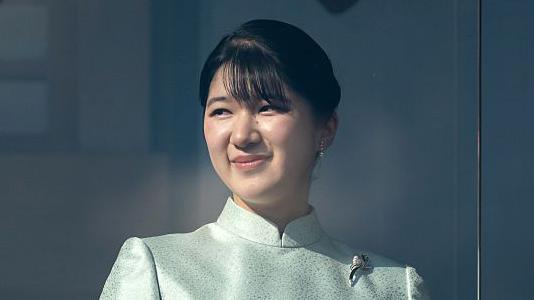
But it does not change the law barring women from ascending the throne, meaning Princess Aiko, the only child of the current emperor, is still not eligible to succeed the throne.
The bill cleared the lower house last week and will move through the final legal procedures before the changes take effect.
Japan has the world's oldest continuous hereditary monarchy, with a lineage believed to span more than 2,600 years.
Currently first in line to the throne is 60‑year‑old Fumihito, the emperor's younger brother. Fumihito's son, 19‑year‑old Prince Hisahito, is second in line. Third‑in‑line, and the last eligible candidate for the throne, is the emperor's 90‑year‑old uncle.
Without any amendments to the law, the line of succession will end if Prince Hisahito does not have a male child.
With the new bill, male descendants of 11 former imperial branches could be adopted back into the family. These branches had been eliminated following World War II.
Female members of the imperial family will also be able to retain their royal status if they marry commoners. They were previously forced to give up their titles and leave their families – a fate similar to what Princess Mako did in 2021 – to marry her college sweetheart.
This allows for a larger royal family who can continue to perform official duties like attending court ceremonies and making public appearances. However, descendants of female members who marry commoners will still not inherit the throne.
The bill marks the biggest overhaul to Japan's imperial system in decades. Public concern over a lack of male heirs and debate over female succession has intensified, with polls showing strong support for a female monarch.
In a June survey conducted by the Mainichi Shimbun, involving more than 2,000 participants, over 70% of respondents said they supported having a female emperor. Another poll by Kyodo News found 83% of respondents in favour of allowing a woman to take the throne.